Starlink Shutdown Fuels Ukraine’s Sudden Advance
The sudden shutdown of Russian Starlink access has crippled their battlefield communications, leading to Ukrainian territorial gains and exposing the intricate relationship between tech giants, governments, and modern warfare. This analysis delves into the strategic implications and the potential for a new phase of conflict.

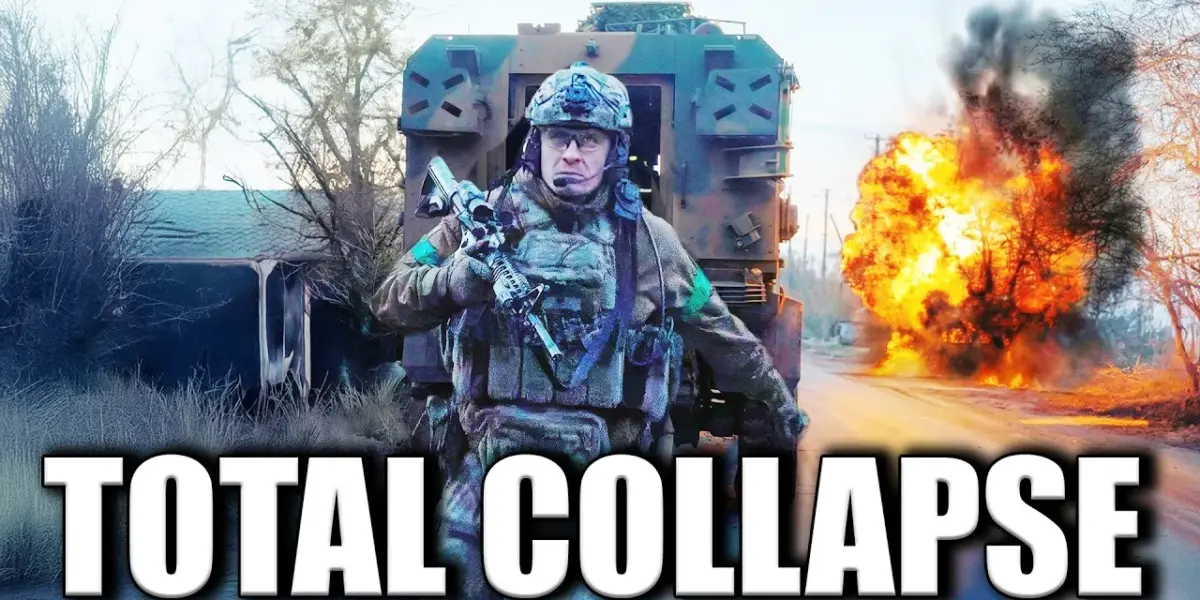
Starlink Shutdown Fuels Ukraine’s Sudden Advance
In a development that has dramatically shifted the battlefield dynamics in Ukraine, a sudden and widespread disruption of Russian military communications via Starlink terminals has provided Kyiv with a crucial tactical advantage. This disruption, occurring in early February, has raised significant questions about the role of technology, corporate influence, and governmental strategy in the ongoing conflict.
The Starlink Blackout and Its Immediate Impact
The disabling of Russian Starlink access had near-instantaneous and disastrous effects on front-line units. Commanders lost the ability to coordinate artillery and drone fire, leading to friendly fire incidents and a general collapse in operational effectiveness. One intercepted communication vividly described the situation: “All we’ve got left now are radios, cables, and pigeons.”
Within the first five days of the blackout, Ukrainian forces were able to reclaim over 400 kilometers of territory – a significant gain, representing about 10% of what Russia had achieved in the entirety of 2025. While Russia continues to hold an overall advantage on the battlefield, this surge in Ukrainian advances marks a shocking development.
An aerial reconnaissance operator, codenamed Mustang, observed a drastic drop in artillery and mortar fire, as well as drone and FPV attacks, on the Russian side immediately after Starlink was shut down. The Starlink terminal, a compact device made by SpaceX, has become indispensable for modern warfare, enabling critical functions like drone operation and artillery coordination in areas lacking infrastructure.
The Deception and the Question of Control
In the wake of the outage, desperate Russian soldiers attempted to purchase Starlink access codes from Ukrainian forces. However, Ukraine’s cyber warfare division had anticipated this and orchestrated a sophisticated deception. They created a fake Starlink registration service, tricking Russian soldiers into revealing their sensitive data, including geolocation coordinates, by posing as a service to help them reconnect. These soldiers, believing they were paying a fee to regain access, inadvertently funneled funds to the Ukrainian armed forces and exposed their positions, making them targets for Ukrainian fire.
This incident highlights Russia’s method of war, which relies heavily on a top-down command structure. When communications are severed, supplies falter, and offensive actions become impossible without daily orders. This system, while having benefits, proves highly vulnerable to communication disruptions.
The Strategic Encirclement: How Russia Became Dependent
Russia had circumvented U.S. sanctions by acquiring Starlink terminals through third-party nations like Kazakhstan and distributing them to the front lines. Russian soldiers found these terminals superior to much of their domestic communications equipment. Since 2024, the Russian military had begun integrating satellite internet, including Starlink, into its force structure. The strategic benefit for the U.S. lay in making Russia dependent on technology over which the U.S. held control.
This reliance on a civilian communication service from a foreign nation for critical military operations proved to be a significant vulnerability.
The Official Story vs. Deeper Implications
The official narrative attributes the Starlink shutdown to Ukrainian authorities presenting Elon Musk with evidence of Russian forces using Starlink for drone attacks, including an incident involving a passenger train in Kharkiv and an assassination attempt on President Zelensky. Following this presentation, Musk reportedly ordered SpaceX to disable unauthorized terminals not on a whitelist, effectively bricking those in Russian hands.
However, the analysis suggests this official story may not be the full picture. The author questions why Musk would unilaterally shut down a service that Russia had become dependent on, especially after two years of allowing its use. The question of ultimate control over Starlink’s access is central.
Historical Precedents and U.S. Government Influence
The transcript points to historical instances where the U.S. government has exerted influence over Starlink’s operations. A year prior, reports emerged of the U.S. threatening to cut off Starlink access for Ukraine unless a minerals deal was signed, demonstrating a willingness to use the technology as leverage. Soldiers on the front lines expressed heavy reliance on Starlink, with any workaround being deemed slow and inadequate.
Furthermore, the U.S. government has been a significant funder of Starlink’s operations in Ukraine since early 2022, with the Department of Defense covering costs. Starlink is subject to U.S. national security reviews, export laws, and sanctions, indicating that U.S. governmental interests are deeply intertwined with its deployment.
The author posits that every instance of Starlink being shut off for either Ukraine or Russia has aligned with U.S. strategic interests. The plausible deniability offered by attributing decisions to Elon Musk allows the U.S. government to avoid direct diplomatic repercussions.
Broader Strategic Pressure and a New Phase of Warfare
The decision to cut off Russian Starlink access is seen not as an isolated event but as part of a broader U.S. strategy to pressure Russia into peace negotiations. This move, coupled with sanctions and targeting data against Russian oil infrastructure, aims to increase Moscow’s economic and military strain. The timing of the Starlink shutdown, when Ukraine had been losing territory, provides Putin with little incentive to end the war without such pressure.
The battlefield is also seeing new developments in air power. American and Dutch pilots are reportedly flying combat missions in Ukraine, intercepting Russian drones and missiles. These pilots, operating under contract and using advanced aircraft like F-16s, represent a significant escalation and a tactical advantage for Ukraine. The use of former pilots mirrors historical instances of covert foreign military support in conflicts.
Ukraine has also bolstered its domestic defense capabilities, unveiling new ballistic missiles like the FP7 and FP9, capable of striking targets over 800 km inside Russia without foreign targeting restrictions. This development addresses a long-standing vulnerability where Ukraine was restricted from using Western-supplied weapons to strike inside Russia.
Russia’s Economic Strain and Future Outlook
Russia’s war economy is operating at full capacity, with a substantial portion of its federal budget dedicated to military spending. While this has fueled its offensive pace, it comes at the cost of non-defense economic growth. Economists warn that this overinvestment in the defense sector could lead to a post-war recession.
Russia is attempting to find alternative communication solutions, including balloon-based 5G networks and its own low-orbit satellite project, though the latter has faced delays. The success of these endeavors remains to be seen.
Why This Matters
The disruption of Starlink highlights the increasing reliance on commercial technology for military operations and the complex interplay between private companies, governments, and international conflicts. It demonstrates how technological control can be wielded as a powerful tool of geopolitical leverage. The involvement of former Western pilots and the development of indigenous long-range strike capabilities by Ukraine signal a new phase of the war, characterized by sophisticated tactics and a broadening scope of support, all while navigating the delicate balance to avoid direct escalation with Russia.
Implications, Trends, and Future Outlook
The integration of commercial satellite internet into military strategy is a growing trend. The incident underscores the vulnerability of such systems and the strategic advantage gained by those who control them. The increasing sophistication of Ukrainian domestic defense production and the covert deployment of experienced foreign pilots suggest a more resilient and adaptable Ukrainian military. For Russia, the reliance on external technologies and the strain on its economy present significant long-term challenges.
Historical Context and Background
The use of covert foreign support in conflicts is not new, echoing precedents from the Korean War, Vietnam, and World War II. The U.S. government’s historical use of technology as a diplomatic and military lever, as seen in past negotiations and the initial free provision of Starlink to Ukraine, provides context for its current strategic deployment. The evolution of drone warfare and electronic countermeasures has made communication systems like Starlink critical, transforming battlefield dynamics.
Source: Why Ukraine is Suddenly Pushing Forward (YouTube)

Related Articles


Iran Conflict Sparks Market Volatility, Experts Weigh In
Geopolitical tensions in the Middle East have rattled global markets, with stocks falling and safe-haven assets like the U.S. dollar strengthening. Experts suggest the market may have overreacted, creating potential buying opportunities, but warn of a "bumpy journey" ahead due to infrastructure damage and potential oil shortages. Concerns also linger about the Federal Reserve's independence amidst political commentary.
Iran War Sparks Nuclear Fears: Is a Global Arms Race Brewing?
The conflict in Iran has heightened global fears of nuclear proliferation and a potential arms race. Experts warn that Iran may pursue nuclear weapons if its current deterrence fails, while historical examples show the dangers of unchecked nuclear ambitions. The world faces uncertain scenarios, ranging from renewed diplomatic efforts to a dangerous escalation of nuclear threats.


Iran’s Capabilities Destroyed, Stocks to Soar: Analyst
Geopolitical analysis suggests Iran's military capabilities are nearing destruction, paving the way for U.S. control of the Strait of Hormuz. This resolution is expected to lower oil prices and significantly boost the stock market, according to market watchers.