Staff Shields Trump’s Mind from Reality, Experts Warn
A former aide warns that Donald Trump's mental decline is not new, but the system around him can no longer cope. This lack of checks and balances is more dangerous than any cognitive issues, creating significant risks for policy and national security.

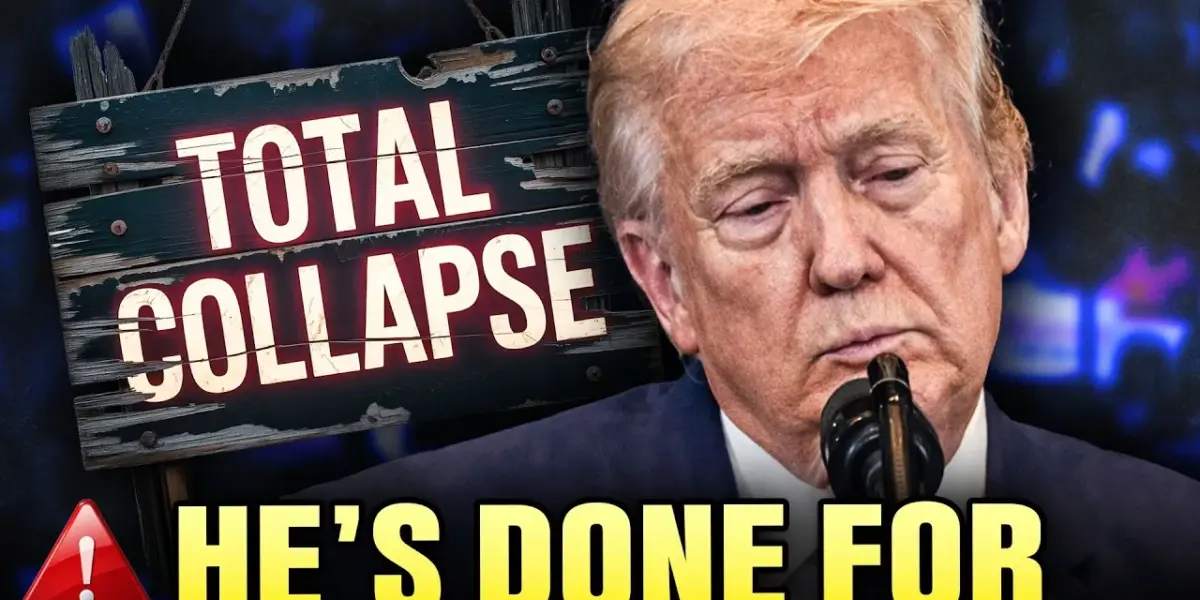
Staff Shields Trump’s Mind from Reality, Experts Warn
A former aide’s warnings highlight a growing concern: Donald Trump’s mental state and the people around him. Miles Taylor, who served in Trump’s first administration, recently wrote about his experiences. He pointed out that Trump’s struggles with focus and reality aren’t new. However, Taylor believes the situation is much more dangerous now than it was before.
Taylor recalled an early event during Trump’s presidency. A Category 5 hurricane was heading toward the United States. Officials needed to discuss evacuation plans and prepare for the storm. Instead of focusing on the crisis, Trump became fixated on helicopters. He spoke at length about how helicopters had too many parts and crashed because of it. His advisors tried to steer the conversation back to the hurricane. They wanted to focus on the disaster ahead, not helicopter design.
This kind of distraction, Taylor explained, was something his group had to manage constantly. They worked to keep Trump focused on important issues. He believes this crucial function is missing in Trump’s current circle. Taylor’s concerns were on full display during a recent televised cabinet meeting. Trump went off on unrelated topics, and no one in the room challenged him. Instead, they seemed to agree and follow his tangents.
The Real Danger: A System That Can’t Cope
Taylor’s main point is that the debate about Trump’s mental fitness is often focused on the wrong thing. The real issue isn’t just whether he is sharp. It’s whether the system around him can handle his impulses and mistakes. In his first term, Taylor suggests, the system barely managed. Now, he fears, it cannot.
“The question was never simply, ‘Is he sharp?’ It was always, ‘Can the system around him absorb his worst impulses?’ In his first term, it just barely could. In his second, it cannot. That’s the real story, and it’s far more alarming than any cognitive decline narrative.”
Taylor is not diagnosing Trump with dementia or any specific condition. He argues that a president’s fitness involves more than just their medical health. It also depends on the structure of the office. Can the presidency support a leader who makes errors or gets lost on serious matters? Are there people around willing to offer honest feedback? Or are aides too afraid to tell the president the truth about the consequences of his actions?
Taylor suggests that current aides are avoiding speaking truth to power. They are hesitant to challenge Trump’s disconnect from reality. This is especially worrying when his actions have led to negative outcomes, like rising oil prices or fear among allies. Enemies of the West, he notes, may be gaining an advantage.
First Term vs. Second Term: A Missing Check
In the first term, Taylor explained, Trump’s worst ideas were only sometimes contained. Examples like wanting to nuke hurricanes or disputes over Sharpie markers show his impulses. But his team could often rein him in. In the second term, that structure seems absent. Taylor believes Trump intentionally chose people for his current team who would not challenge him. This lack of checks and balances, he argues, makes any existing mental decline worse.
If those around him could gently guide him back to important topics, perhaps less of the cognitive decline would be visible. Taylor states that the decline is far more obvious now than it was before. Back then, people might have dismissed his strange comments as just odd behavior. Now, he feels, the questions about his mental capacity are answered.
As Trump’s mind has worsened, Taylor believes, the situation is amplified because no one is stopping his “crazy” ideas from becoming public policy. He emphasizes that if anyone in Trump’s inner circle would simply say, “No, no, no,” there would be fewer questions about his mental fitness. But this is not happening, and everyone is paying a price.
Why This Matters
The stability and effectiveness of a presidency are critical for national and global security. If a leader is easily distracted, disconnected from reality, or surrounded by enablers, the consequences can be severe. Decisions about war, peace, the economy, and foreign policy require clear thinking and honest input. When these are compromised, the nation is at risk. The insights from former aides like Miles Taylor serve as a warning about the importance of accountability and truth within the highest levels of government.
Implications, Trends, and Future Outlook
Taylor’s observations point to a concerning trend: the potential for leaders to operate with fewer checks and balances. This can be due to a leader’s own preferences or the fear instilled in their staff. The future outlook suggests a continued need for vigilance from the public and the press. We must look beyond simple soundbites and examine the operational reality of leadership. The structure supporting a president is as vital as the president themselves. A leader’s ability to govern effectively depends on this supportive, yet critical, environment.
Historical Context
Throughout history, presidential administrations have faced challenges with staff dynamics and leader temperament. However, the specific nature of Taylor’s critique—focusing on a system’s ability to absorb a leader’s impulses—offers a unique lens. Unlike past concerns about policy disagreements or communication breakdowns, this highlights a potential failure in the fundamental process of governance itself. The narrative suggests a departure from traditional checks and balances, where staff roles often include providing candid advice and acting as a sounding board, even when the advice is unwelcome.
Source: Trump’s Brain Is MELTING And His Staff Knows It (YouTube)

Related Articles

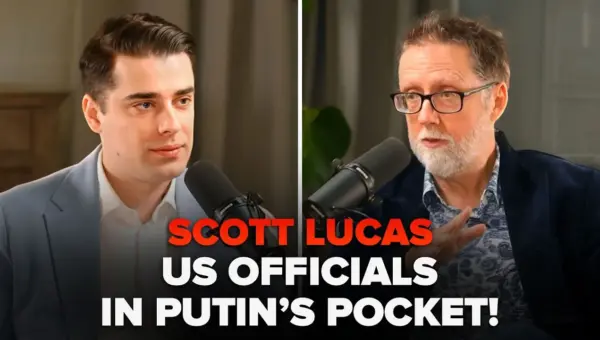
Kremlin Saw Trump as Key Asset, Analysis Reveals
Analysis suggests Moscow viewed Donald Trump as a key "asset" rather than a recruited agent. This perspective allegedly shaped Russian efforts to influence U.S. policy, particularly concerning the 2016 election and ongoing geopolitical conflicts. The piece details alleged Russian engagement with Trump since the 1970s and explores the implications of these connections on international relations.
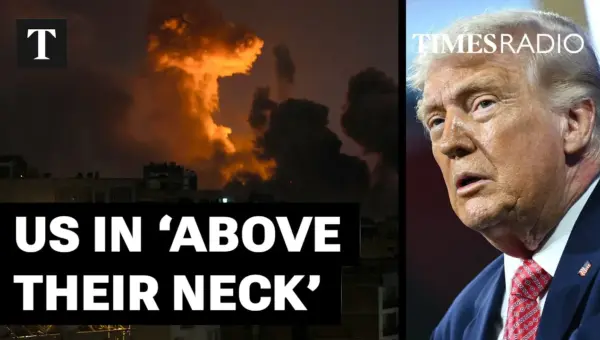
US Overreaches in Iran Standoff, Experts Warn
U.S. military experts warn President Trump has overextended American capabilities in the escalating standoff with Iran. With significant troop deployments and Iranian threats, the situation is precarious. Experts call for a clear strategy and a diplomatic "off-ramp" to avoid wider conflict.
Health Officials Brace for Trump’s Nuclear Fallout
World Health Organization officials are updating training for nuclear fallout scenarios, signaling serious concerns about potential conflict escalation under Donald Trump. The use of the word 'eventually' suggests a perceived high probability of a nuclear incident, highlighting grave geopolitical risks.