Spotting Fakes: How to Debunk War Videos Online
As videos of the US-Israel-Iran conflict flood social media, experts offer critical tips to debunk fake or misleading footage. Close visual inspection, reverse image searches, and relying on trusted news sources are key to identifying misinformation. The ability to discern reality from fabrication is crucial in emotionally charged times.

Fact Checkers Reveal Methods to Identify Misinformation Amidst US-Iran Tensions
As videos purporting to depict escalating conflict between the United States, Israel, and Iran flood social media platforms, a critical need has emerged to distinguish genuine footage from fabricated or misleading content. In moments of heightened geopolitical tension, the rapid spread of dramatic and often terrifying clips can amplify fear and anger, making it essential for the public to possess the tools to critically evaluate what they see online.
Analyzing Visual Clues in Suspicious Footage
One primary method for debunking dubious videos involves close visual inspection for inconsistencies that betray manipulation or artificial generation. “You might be watching a manipulated or fully AI generated clip,” warns DW News, highlighting that in times of crisis, many accounts post shocking content solely for increased engagement. A prime example cited involved a video allegedly showing a missile strike in Tel Aviv. Upon closer examination, several unrealistic elements were identified: antennas on a rooftop collapsed before the missile’s impact, and a building on the left toppled onto an adjacent structure that inexplicably remained standing. These visual anomalies pointed to the footage being AI-generated, lacking the physical coherence of real-world events.
Leveraging Technology to Verify Video Authenticity
A second crucial technique for verifying video content is to ascertain whether the footage existed prior to the current conflict. Misinformation often involves repurposing old videos and presenting them as current events. For instance, a clip claiming to show a massive explosion at the U.S. Embassy in a city identified as ‘Riot’ (likely a transcription error for a specific location) was investigated. The verification process involves using reverse image search tools, such as Google Lens, on screenshots from the video. This technology can quickly reveal if the video has appeared online previously or if fact-checkers have already debunked it. In the case of the embassy explosion claim, the reverse image search confirmed that the video was not from the current conflict but had been uploaded online at least as early as February 2026, demonstrating its prior existence and misrepresentation.
Relying on Credible Sources for Confirmation
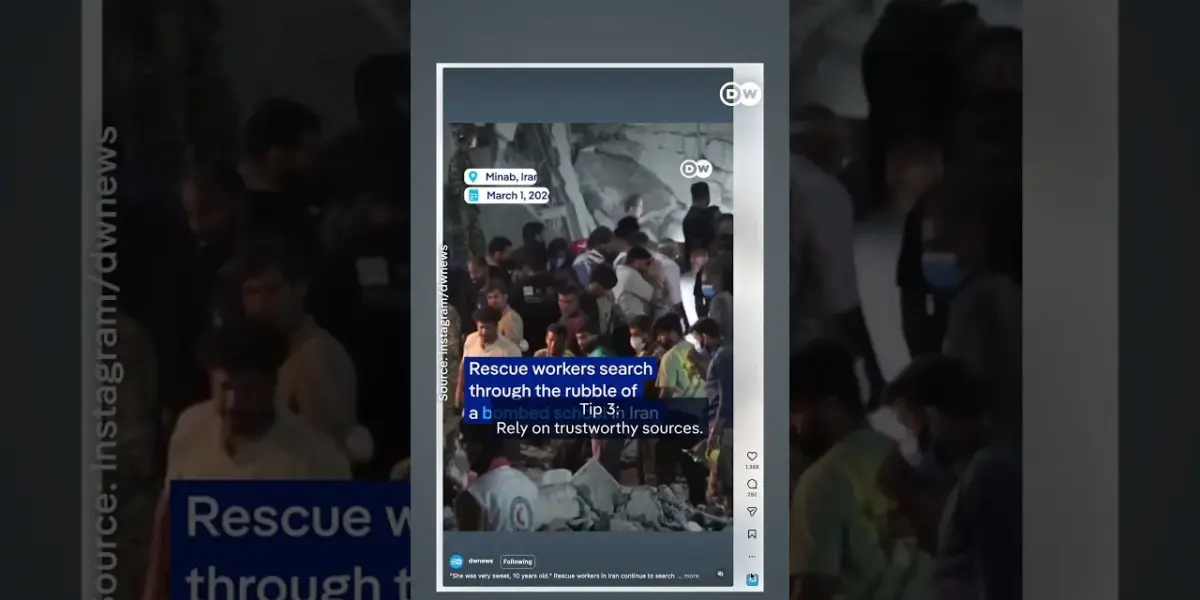
The third pillar of effective video debunking is to rely on trustworthy and established news sources. The sheer volume of information during a crisis can make it challenging to track specific events accurately. An example presented involved a user’s claim that a video showing a strike on a girls’ primary school in Minab, Iran, was actually an old attack from Peshawar, Pakistan. Fact-checkers found this assertion to be incorrect. While the video was indeed real and depicted a missile attack on the school, killing at least 165 people according to Iranian state media, it was not related to the 2014 Peshawar attack. The verification process involved cross-referencing the footage with reports from multiple reputable news outlets and examining other verified visuals from the scene. Footage of the 2014 Peshawar attack looked distinctly different, making the misattribution easy to disprove.
Key Indicators of Verified Reporting
When uncertainty surrounds a video’s authenticity, DW News outlines several indicators that suggest reliable reporting:
- Footage from Multiple Angles: Verified events are often captured from various perspectives, providing a more comprehensive and consistent view.
- Trusted News Organizations Reporting: The same event being covered by multiple established news agencies lends significant credibility.
- Other Verified Visuals from the Scene: Corroborating evidence, such as additional photos or videos from the same event, strengthens authenticity.
Combating Emotional Manipulation Through Critical Viewing
In emotionally charged situations like the current geopolitical climate, the proliferation of fake content serves to intensify fear and anger among the public. The advice offered is simple yet powerful: “take a moment. Don’t trust everything at first glance.” By employing these critical thinking skills and verification methods, individuals can navigate the complex information landscape more effectively and resist the spread of harmful misinformation.
As tensions persist, the digital battleground will likely continue to be a source of both real and fabricated news. The onus remains on social media users to exercise vigilance, employ verification techniques, and prioritize information from credible sources to foster a more informed public discourse.
Source: Fact check: How to debunk videos in the US-Israel war with Iran | DW News (YouTube)

Related Articles
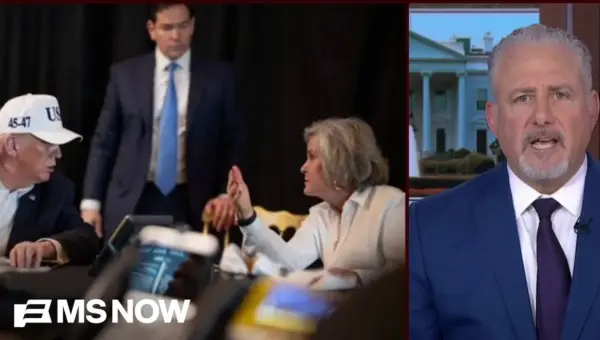
GOP’s Iran Stance: War Critics Aren’t Mainstream Republicans
New analysis reveals that vocal critics of potential military action against Iran within the MAGA movement do not represent the broader Republican electorate. A historical conservative viewpoint and recent polling suggest underlying support for a tougher stance on Tehran, despite 'America First' sentiments.
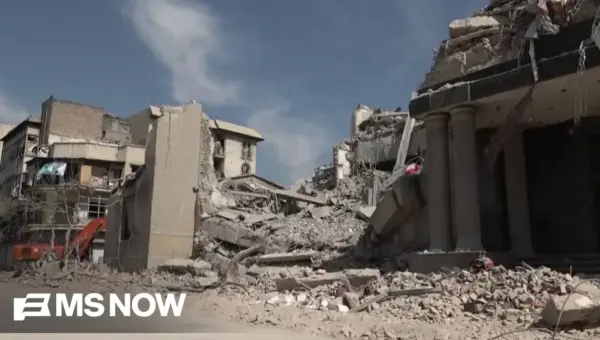
US, Israel Intensify Strikes Against Iran in Escalating Conflict
The United States and Israel have escalated their military operations against Iran, entering a "big scale hitting phase" targeting critical infrastructure and security forces. President Trump defended the preemptive strategy, stating it prevented an imminent Iranian attack. Meanwhile, tensions rise in Lebanon as Israeli strikes expand, drawing parallels to historical conflicts.
US Defense Stocks Surge Amid Escalating Iran Conflict
Escalating conflict in the Middle East, marked by drone attacks on U.S. interests, has prompted urgent discussions about U.S. munition supplies and defense production. The situation is impacting global markets and drawing international criticism.