Special Ops Lead Iran Ground Actions
U.S. Special Operations Forces may have initiated ground operations within Iran, targeting command and control nodes. This strategy aims to prevent the closure of the vital Strait of Hormuz, avoiding a large-scale invasion.

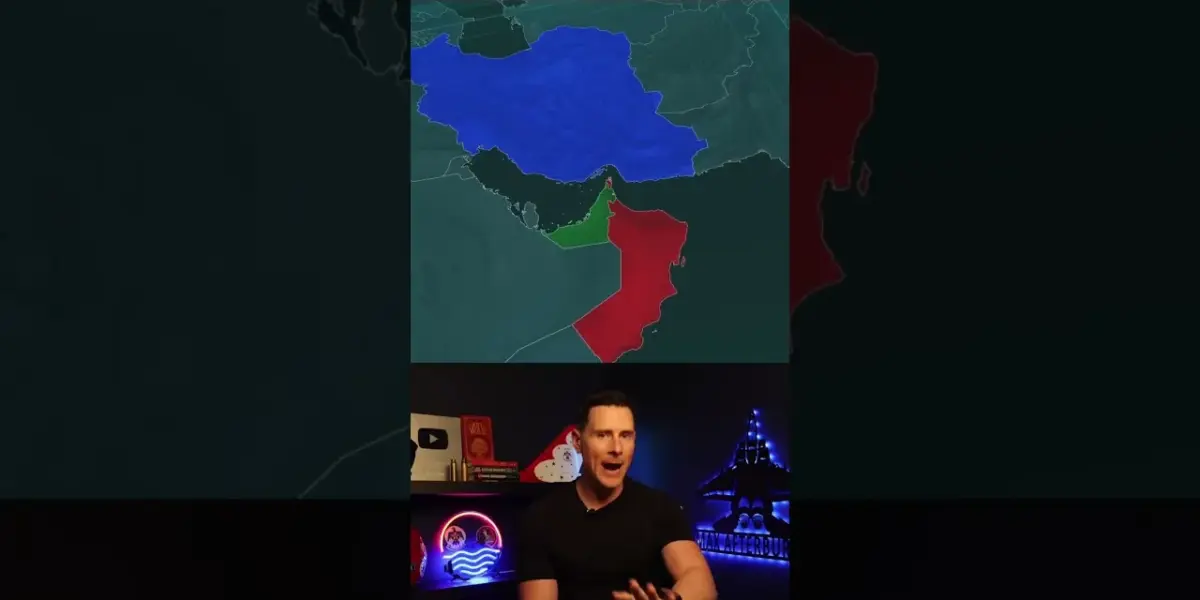
Special Operations Forces Initiate Ground Actions in Iran
U.S. Special Operations Forces may have begun ground operations inside Iran. These actions focus on disrupting command and control nodes. This strategy aims to prevent the closure of the vital Strait of Hormuz. The goal is to surgically disable key infrastructure. This approach avoids a large-scale invasion.
Targeting Command and Control Nodes
The operations reportedly involve elite units. These include teams similar to Delta Force, Navy SEALs, and Marine reconnaissance units. Their primary objective is to raid hidden command posts. These posts are believed to be directing actions that threaten maritime traffic. Specifically, they may be coordinating the use of underwater unmanned vehicles and Shawhead drones. These systems are thought to be used for tracking vessels passing through the Strait of Hormuz. By taking control of these command nodes, U.S. forces aim to understand and disrupt communication networks. This includes how different infrastructure elements communicate with each other.
Strategic Rationale: The Strait of Hormuz
The Strait of Hormuz is a critical global chokepoint. Approximately 20% of the world’s oil passes through this narrow waterway daily. Any disruption there could have significant global economic consequences. Iran has previously threatened to close the strait. Special operations forces targeting command centers that might facilitate such a closure represent a strategic move. It aims to neutralize a potential threat before it fully materializes. This is a more precise approach than a broad military engagement.
Air Support for Ground Operations
These ground operations would likely be supported by air power. Aircraft such as the A-10 Thunderbolt II, F-15 Eagle, and F-35 Lightning II could provide overhead protection. These fighter jets can loiter above the operational areas. They offer close air support to the special operations teams. This air cover helps ensure the safety of the ground forces. It also provides a defensive screen against potential Iranian responses.
Advantages Over a Full Invasion
This strategy of surgical strikes on command nodes offers several advantages over a full-scale invasion. A large invasion force would involve significant troop numbers and heavy equipment. It would also likely result in higher casualties on both sides. Furthermore, a massive invasion could lead to a prolonged conflict. The current approach, focusing on specific targets, is designed to be less costly in terms of human lives and resources. It also carries a lower risk of escalating into a wider regional war. This method allows for a more controlled and limited engagement.
Strategic Implications
The potential use of special operations forces in this manner signifies a shift in strategy. It highlights a preference for precision strikes over conventional warfare. This approach is designed to achieve specific military objectives with minimal collateral damage and political fallout. It allows for plausible deniability to some extent. It also enables the U.S. to counter threats without committing to a full-blown conflict. The success of these operations hinges on accurate intelligence. It also depends on the ability of special operations teams to operate effectively in hostile territory. The psychological impact on Iran’s military leadership could also be significant.
Historical Parallels
This type of targeted special operations mission has historical precedents. During the Cold War and in various counter-terrorism operations, elite units have been deployed for high-risk, high-reward missions. These often involved capturing or eliminating key enemy personnel or destroying critical infrastructure. The objective was always to achieve strategic goals with a limited footprint. The current situation in the Strait of Hormuz mirrors some of these past scenarios. It involves a tense geopolitical standoff where direct confrontation is being avoided. Instead, indirect methods are being employed to manage the threat.
Geopolitical Context
The broader geopolitical situation is complex. Iran’s regional influence and its relationship with other global powers play a significant role. Any U.S. military action, even covert, carries the risk of regional escalation. It could draw in other actors and further destabilize the Middle East. The international community will be closely watching these developments. The response from allies and adversaries alike will shape future diplomatic and military strategies in the region. The effectiveness of this strategy will be judged not only on its military success but also on its wider geopolitical ramifications.
Source: U.S. Military Ground Invasion of Iran Has Already Begun (YouTube)

Related Articles


G7 Allies Clash Over Iran War Strategy, Urge Focus on Russia
G7 foreign ministers met in Paris, revealing deep divisions over the U.S. war with Iran. European allies urged the U.S. to pressure Russia, linking its actions to the conflict and fearing support for Ukraine will wane.

Iran Blocks China Ships, Exposing Beijing’s Weak Grip
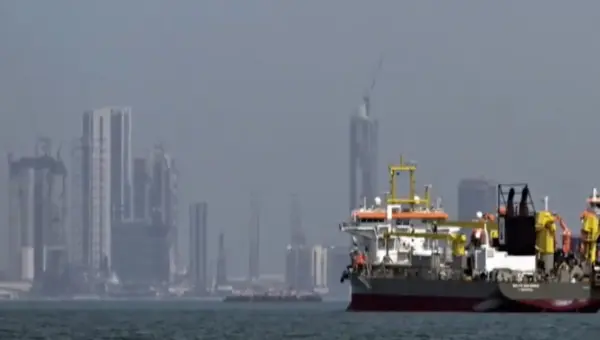
Iran's recent decision to block Chinese ships at the Strait of Hormuz is exposing the limits of Beijing's influence in the Middle East. This action is causing delays and cancellations for Chinese manufacturers, turning a perceived geopolitical win into an economic strain.
Rubio: US Can Achieve Iran War Goals Without Troops
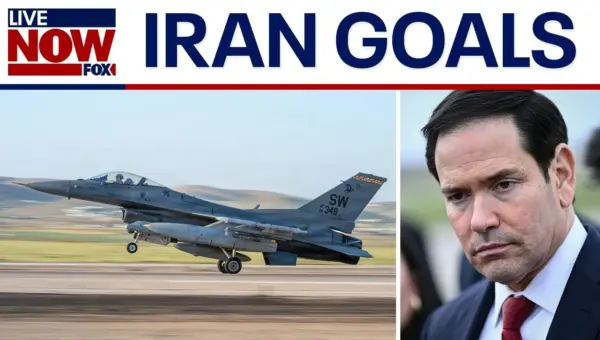
Senator Marco Rubio outlined a strategy to counter Iran without deploying U.S. ground troops, focusing on weakening the regime and enhancing maritime security. He also criticized Cuba's economic system and expressed concerns about West Bank violence.