Speaker Johnson’s Iran War Stance Under Fire Amidst Escalation
Speaker Mike Johnson faces sharp criticism over the escalating Iran conflict, accused of exploiting fallen soldiers' ceremonies for political gain. The justification for the war, based on disputed intelligence, and its significant financial cost are at the heart of the controversy.


Speaker Johnson’s Iran War Stance Under Fire Amidst Escalation
Speaker of the House Mike Johnson is facing intense criticism regarding the United States’ involvement in escalating tensions with Iran. The ongoing military actions have drawn sharp rebukes, with critics arguing the war is unlawful and unjustified. This situation has put Johnson in a difficult political position, leading to accusations of attempting to gain political advantage from the conflict.
A Solemn Ceremony Exploited?
A key point of contention involves the dignified transfer of fallen soldiers. Families of these service members reportedly requested no media presence at these solemn ceremonies. However, the transcript suggests that despite these wishes, photographs and videos were taken and shared on social media by Speaker Johnson and former President Donald Trump. This action has been decried as a political stunt, using the coffins of fallen heroes for fundraising and political messaging, a move reportedly seen before when Trump used casket photos for his campaign.
“Please, no cameras, no videos. This is a solemn ceremony for us. Please do not photograph and video and post this on social media.” This was the reported plea from grieving family members, a plea that was allegedly ignored.
Speaker Johnson’s public statements about the dignified transfer, including the phrase “Freedom is never free. It is carried on the shoulders of the brave,” have been met with strong opposition. Critics argue these words ring hollow given the alleged disregard for the families’ wishes and the context of an “unlawful and unjustified war.” The use of patriotic language to rally support for a conflict perceived as lacking clear justification is a major point of criticism.
Intelligence and Justification Debated
The rationale behind the military actions in Iran is also a major point of debate. Speaker Johnson asserts that the intelligence clearly indicated an imminent threat to the United States, necessitating the commander-in-chief’s actions to protect American lives. He stated that ballistic missiles were being stockpiled and prepared for launch against troops and civilians in the region.
This assessment is directly challenged by figures like Joe Kent, a former intelligence official within the Trump administration. Kent resigned citing his belief that the war was unlawful, stating that the intelligence he saw did not justify military action. He claims the imminent threat described by officials was not from Iran directly attacking the U.S., but rather a potential Iranian retaliation to Israeli attacks on Iran. Kent suggests that Israel, not Iran, was the instigator, and that U.S. policy is being driven by Israeli objectives.
Speaker Johnson has publicly pushed back against Kent’s claims, questioning his interpretation of the intelligence and implying that Kent is an outlier. Johnson stated he was on the “Gang of Eight” and had access to all relevant briefings, which he found to be “exquisite” and “very clear” regarding the threat.
The Language of War
The use of the word “exquisite” to describe the military operation has drawn particular attention and criticism. Critics note that this same term was used by Stephen Miller, a key figure in the Trump administration, to describe military actions. The transcript suggests this linguistic similarity indicates a coordinated messaging strategy, comparing the U.S. operation’s description to how Russia describes its own invasions as “special operations.”
This framing is contrasted sharply with the reality on the ground as described by critics. They point to damage to Arab nations, including attacks on Saudi Arabian facilities and Qatari LNG production, as evidence that the situation is escalating rapidly and is far from “exquisite.”
Economic and Financial Concerns
Beyond the military and intelligence aspects, the financial implications of the conflict are also a major concern. Reports suggest the Trump administration is seeking a $200 billion supplemental funding request for the war, on top of an already substantial military budget. Critics argue this massive expenditure could be better allocated to domestic priorities like healthcare, affordable housing, and education.
The transcript highlights the lack of public hearings in the House to discuss the financial costs of the war. Speaker Johnson’s defense is that the operation is highly sensitive and classified briefings are the appropriate venue for lawmakers, arguing that public disclosure would adversely affect the mission. He claims that summaries of non-classified information have been provided.
Economically, the conflict is linked to rising oil prices and a significant drop in stock market indices. The national debt is also highlighted as reaching concerning levels. Some Trump administration proponents, like Kevin Hassett, have suggested the economic impact on consumers would be manageable and not a major disruption to the overall U.S. economy, a viewpoint strongly contested by critics who emphasize the current economic strain.
Historical Context and Future Outlook
The current situation echoes past debates about executive war powers and the justification for military intervention. Historically, presidents have broad latitude as commander-in-chief, but Congress holds the power to declare war and oversee military spending. The tension between these branches is a recurring theme in U.S. foreign policy.
The criticism leveled against Speaker Johnson and former President Trump suggests a growing divide within the Republican party and among the public regarding the nation’s role in foreign conflicts. The reliance on intelligence that is contested, the alleged disregard for families’ wishes, and the potential economic fallout all contribute to a complex and volatile situation.
The future outlook remains uncertain. The escalation of conflict in Iran, the political fallout for Speaker Johnson, and the ongoing debate over the justification and cost of the war will likely continue to be major issues. The differing perspectives on the intelligence and strategic goals, particularly concerning the influence of Israel on U.S. decision-making, suggest a deep-seated disagreement about America’s foreign policy objectives and its alliances.
Why This Matters
This situation matters because it touches upon fundamental questions of accountability, transparency, and the justification for military engagement. The alleged exploitation of solemn ceremonies for political gain raises ethical concerns. The debate over intelligence and the necessity of war directly impacts national security and the lives of service members. Furthermore, the allocation of vast financial resources to military conflicts, while domestic needs persist, highlights critical questions about national priorities. The differing viewpoints on these issues underscore a significant political and ideological rift that will shape U.S. foreign policy and domestic discourse for the foreseeable future.
Source: MAGA Mike VISIBLY CRACKS as WAR ESCALATES…LOSING HIS JOB!!! (YouTube)

Related Articles
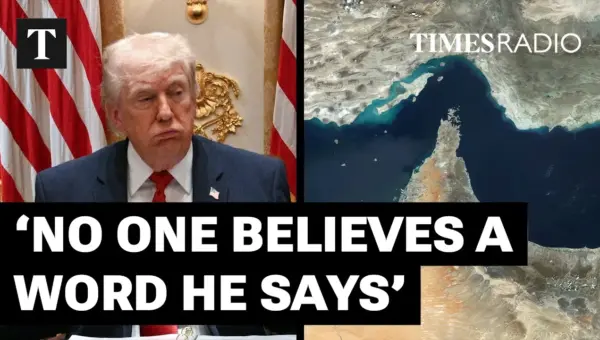
Trump’s Oil Market Influence Wanes Amidst Global Instability
Former President Donald Trump's attempts to influence oil markets have reportedly failed, raising concerns about his diminishing credibility. Analysts compare his approach to "the boy who cried wolf," suggesting a loss of trust among market participants. The discussion also touched upon the use of personal devices for government communication and the vetting of political candidates amidst controversial remarks.

Trump’s War Talk Distracts as World Burns
As global conflicts escalate and economic pressures mount, Donald Trump's focus on past grievances and symbolic wins overshadows pressing issues. His rhetoric, including questionable claims about ending wars and strategic use of terminology to bypass Congress, raises concerns about leadership and national priorities.

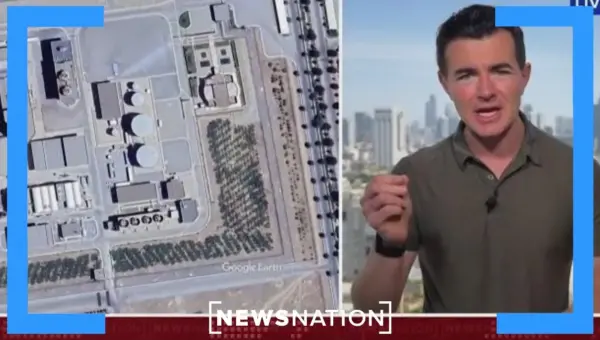
Iran War Escalates, Allies Join Fight for Strait of Hormuz
The conflict in the Middle East intensifies as Iran faces expanded strikes from Israel and retaliatory attacks across the region. The U.S. deploys thousands more troops and offers a 15-point deal, while the Houthis of Yemen join the fray with a missile attack on Israel. Allies are preparing to help secure the vital Strait of Hormuz.