Speaker Johnson Owns Shutdown, Dooms GOP Election Hopes
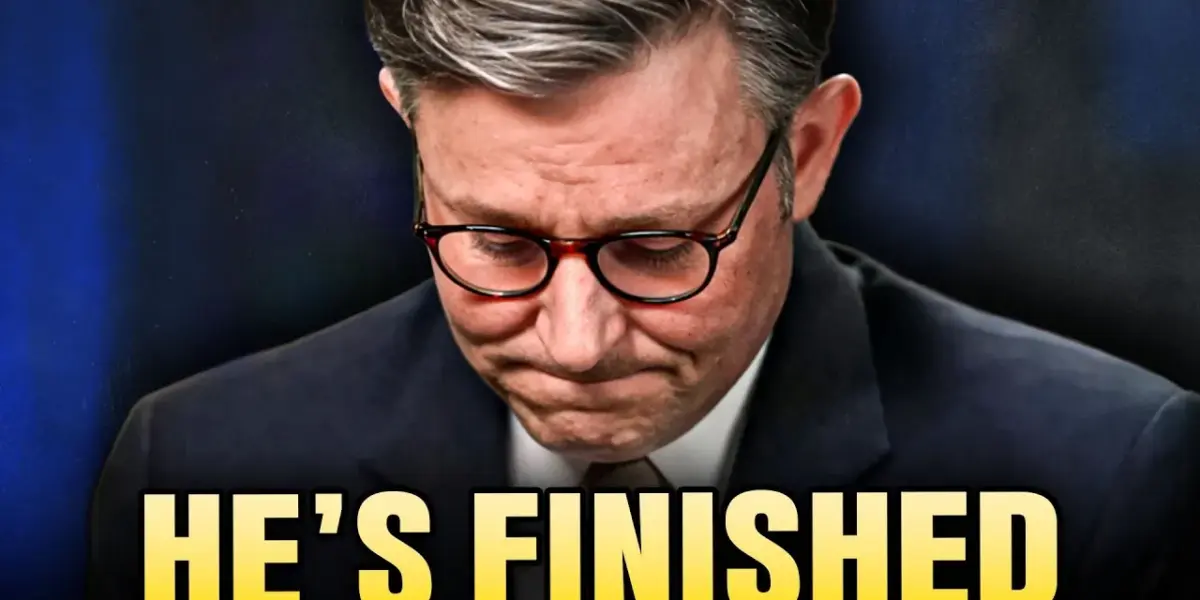
House Speaker Mike Johnson has taken ownership of the current government shutdown by blocking a bipartisan DHS funding bill, a move that could severely damage Republican election prospects. This decision follows a pattern of internal party struggles and risks alienating voters.

Speaker Johnson Owns Shutdown, Dooms GOP Election Hopes
House Speaker Mike Johnson recently made a decision that could deeply impact the Republican party’s chances in upcoming elections. He refused to allow a funding bill for the Department of Homeland Security (DHS) to pass. This bill had already received unanimous support in the Senate, with every Republican, Democrat, and independent voting to approve it.
The Senate’s bill would have funded most of the DHS, but it separated funding for Immigration and Customs Enforcement (ICE) and Customs and Border Patrol. These agencies would have needed separate funding later. Despite the broad agreement in the Senate, Speaker Johnson blocked the bill in the House.
By rejecting this funding, Johnson has taken full responsibility for the ongoing government shutdown. He also now owns all the negative stories coming out of airports, like long lines and travel disruptions. This move effectively places the blame squarely on his shoulders and the Republican party. There’s no other way to explain it to the public.
Historical Context: The McCarthy Precedent
This situation echoes events from just a couple of years ago. Former House Speaker Kevin McCarthy faced a similar challenge. When budget issues arose, McCarthy made a deal with Democrats to pass a temporary funding measure. However, a group of Republicans, led by Matt Gaetz, used this as an opportunity to push for McCarthy’s removal.
The rules of the House had been changed to allow a single member to force a vote on removing the Speaker. This led to McCarthy’s ouster. Speaker Johnson, aware of this history, was reportedly afraid of suffering the same fate. He wanted to avoid being removed from his position.
The transcript suggests Republicans could have changed these rules back to a more stable system, but they apparently did not. So, to protect his job, Johnson blocked the DHS funding bill. This action, however, means he has now officially taken ownership of the government shutdown, the airport problems, and any other negative consequences. This is now the Republican shutdown.
Democrat Efforts and Republican Obstruction
Democrats have made several attempts to pass funding for the DHS, excluding ICE and CBP, to end the shutdown. However, Republicans have consistently refused to agree to these measures. The transcript argues that Democrats are trying to resolve the issue, while Republicans are prolonging it. This is a critical point for voters to understand.
The narrative pushed by some Republicans and outlets like Fox News attempts to blame Democrats for the shutdown. However, the reality presented is that Democrats are trying to find a solution, and it is the Republicans, led by Speaker Johnson, who are preventing it. Johnson is keeping the shutdown alive.
Implications for the Midterms
The speaker’s decision is likely to hurt the Republican party significantly in the upcoming midterm elections. Some analysts had already predicted major losses for the GOP, with Democrats potentially gaining as many as 70 seats in the House. The handling of this shutdown, with Johnson taking clear ownership of the negative outcomes, could push that number even higher.
When voters see the disruptions at airports and understand who is responsible, it is expected to reflect poorly on the entire Republican caucus. Johnson’s attempt to save his job by blocking the bill may end up costing Republicans more seats than they were already projected to lose.
Why This Matters
This situation highlights the deep divisions within the Republican party and the challenges of leadership in a closely divided House. Speaker Johnson’s decision, driven by internal party pressures and the fear of being ousted like his predecessor, has tangible consequences for the country. The government shutdown affects federal agencies and creates public inconvenience, particularly at airports.
For the public, it’s important to understand who is making these decisions and why. The ability of a single party, or even a faction within it, to halt essential government functions or create widespread disruption has significant implications for governance. The upcoming elections will serve as a referendum on these actions, and the outcome could reshape the political landscape.
Future Outlook
The immediate future will likely see continued political back-and-forth over funding. However, the long-term impact of Speaker Johnson’s decision rests on how voters perceive his actions. If the negative consequences of the shutdown are widely attributed to him and the Republican party, it could lead to significant electoral losses. This could embolden Democrats and further weaken the Republican majority in the House, potentially leading to more instability or a shift in political power.
The events surrounding this DHS funding bill offer a clear example of how internal party dynamics and leadership decisions can directly influence national policy and electoral outcomes. The Republican party’s strategy of obstruction, as described, carries a high risk of alienating voters and costing them dearly at the ballot box.
Source: Mike Johnson Suddenly Realizes He DESTROYED The GOP (YouTube)

Related Articles
Europe Faces Energy Crisis as Trump Demands Self-Sufficiency
President Trump is pushing European allies to secure their own energy, potentially reshaping global markets. Meanwhile, TSA lines are shortening as agents receive paychecks amid a DHS shutdown, with lawmakers seeking ways to reopen the department.
Judge Halts Trump’s Ballroom: Power vs. Public Good
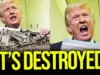
A federal judge has halted Donald Trump's $400 million White House ballroom project, ruling the president is not the owner of the property. The decision contrasts sharply with the economic struggles of average Americans, drawing criticism about misplaced priorities and the limits of executive power.

Congress Stalls on Funding Amid Political Games
US lawmakers are locked in a political battle over Department of Homeland Security funding, risking a government shutdown. This deadlock highlights how political point-scoring often overshadows critical policy decisions, potentially impacting national security and public trust ahead of the November elections.