Spain Rejects Iran War, Defies US and Allies
Spain has firmly rejected any involvement in a potential Iran war, creating a rift with the US and some European allies. Analysts suggest this stance is influenced by domestic politics, with Prime Minister Pedro Sánchez aiming to appeal to his base. The government is carefully navigating a path of rhetorical opposition to avoid tangible retaliation.

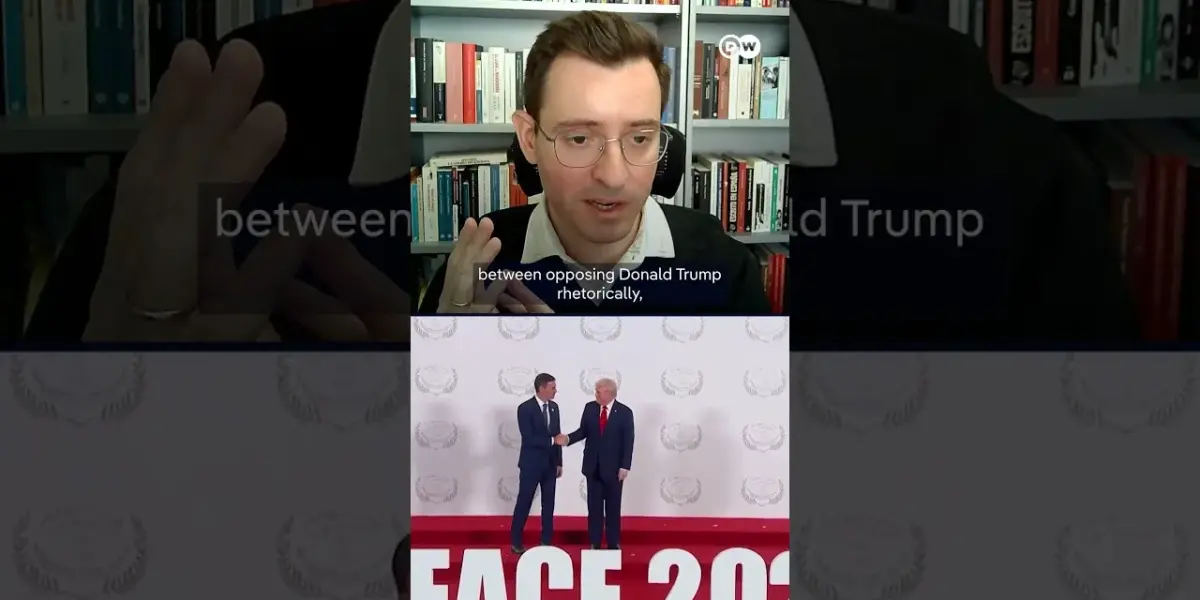
Spain Stands Firm Against Iran Conflict, Creates European Divide
Madrid, Spain – In a decisive stance that sets it apart from key international players, Spain has firmly rejected any involvement in a potential war with Iran. This clear opposition, articulated by the Spanish government, has positioned Madrid as a distinct voice within Europe, prioritizing de-escalation and diplomatic solutions over military engagement. The policy has not only created friction with the United States but also with some of its European counterparts, highlighting a significant divergence in foreign policy approaches.
US Expresses Frustration Over Spanish Stance
The United States has publicly acknowledged Spain’s refusal to allow the use of its military bases for operations related to the Iran conflict. A US official noted, “Spain uh actually said that we can’t use their bases. They were unfriendly.” This statement underscores the diplomatic challenges Spain’s position presents to its NATO ally, suggesting a lack of full cooperation on a critical geopolitical issue.
Domestic Politics Fueling Foreign Policy
Analysts suggest that Spain’s resolute opposition to military action against Iran is significantly influenced by domestic political considerations. Pedro Sánchez, the Spanish Prime Minister, appears to be leveraging this stance to appeal to his political base. “I do think that the Spanish position in this uh conflict, whatever its merits on its own are, is driven by that interest on the part of Pedro Sante because he knows that opposing Donald Trump and opposing the attack against Iran is something that plays very well with his base,” observed one commentator. This indicates a strategic calculation where international policy is closely aligned with domestic political gains.
A Calculated Strategy of ‘Studied Gray Area’
The Spanish government appears to be navigating a delicate balance, aiming to oppose Donald Trump’s policies rhetorically without provoking substantial retaliation. This approach has been described as a “studied um gray area.” The government has explicitly stated its belief that Spain will not face punitive measures, such as new tariffs or a trade war, as a consequence of its stance on Iran. This strategy allows Spain to maintain a principled opposition while attempting to mitigate potential economic repercussions.
Divergence from Traditional European Alignment
This current foreign policy posture marks a notable departure from Spain’s post-transition alignment with major European powers. “I can’t really remember another time though when a Spanish government so self-consciously tried to differentiate itself particularly from if you want the three major European players France uh Germany and Britain as in this current uh case,” noted an observer. This self-conscious differentiation suggests a potential shift in Spain’s role on the international stage, moving away from a consistent alignment with the foreign policy consensus of France, Germany, and the UK.
Implications for EU Cohesion and Global Diplomacy
Spain’s distinct position raises critical questions about its impact on European Union cohesion and the broader international response to the Iran situation. The key question remains whether Spain’s independent approach can contribute to a more comprehensive EU strategy or if it risks exacerbating existing divisions within the bloc and among its member states. The effectiveness of Spain’s diplomatic efforts in influencing the wider international community will be closely watched.
Looking Ahead
As tensions in the Middle East remain a significant global concern, Spain’s unwavering commitment to de-escalation and its willingness to chart an independent course will continue to be a focal point. The international community will be observing whether Madrid’s diplomatic strategy can foster greater European unity on this critical issue or if its divergence will lead to further fragmentation within the EU’s foreign policy apparatus. The long-term consequences of Spain’s bold stance on international relations and its own standing among global powers remain to be seen.
Source: Why Spain is saying no to Iran war | DW News (YouTube)

Related Articles

Americans Rally for Democracy Amidst War and Economic Woes
Thousands of Americans are participating in "No Kings" rallies nationwide, demanding accountability from leaders and drawing parallels to historical movements that spurred significant change. The protests occur amidst a controversial war with Iran, economic uncertainty, and a partial government shutdown. Organizers emphasize solidarity, joy, and the power of collective action in defending democracy.
Trump Delays Iran Strike Deadline Amidst Shifting Diplomacy
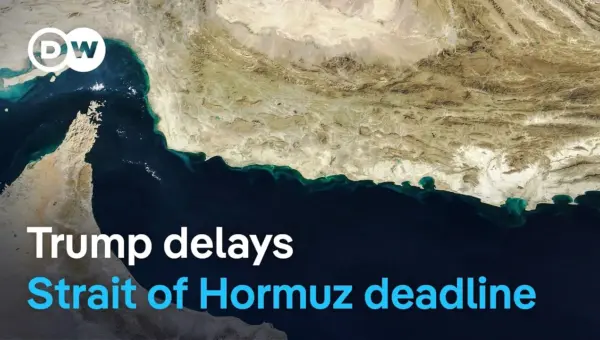
President Donald Trump has extended his deadline for potential strikes on Iranian energy plants to April 6th, amid reports of U.S.-Iran diplomatic talks mediated by Pakistan. This move comes as Israel continues its strikes on Iran and the U.S. deploys additional military assets to the region. Analysts point to mixed signals, economic pressures, and strategic miscalculations as key factors shaping the evolving situation.
US Official Claims Iran War Could End Soon; Expert Skeptical
Despite US envoy Steve Woff's optimism about imminent talks and a swift end to the conflict with Iran, expert Aaron David Miller expresses significant doubt. Miller argues that a lack of shared urgency and fundamental miscalculations by the US administration make a quick resolution unlikely.