Space Mission’s Toy and Treat Steal the Show
NASA's Artemis II mission achieved a historic lunar flyby, but a child's plush moon toy and a jar of Nutella stole the spotlight. These elements highlight the human side of space exploration and inspire future generations.

Space Mission’s Toy and Treat Steal the Show
NASA’s Artemis II mission recently completed a historic trip around the moon, but the real stars of the show weren’t just the astronauts. A special plush toy and a jar of Nutella captured attention, reminding everyone that space exploration can also have a touch of fun and normalcy.
A Child’s Dream Takes Flight
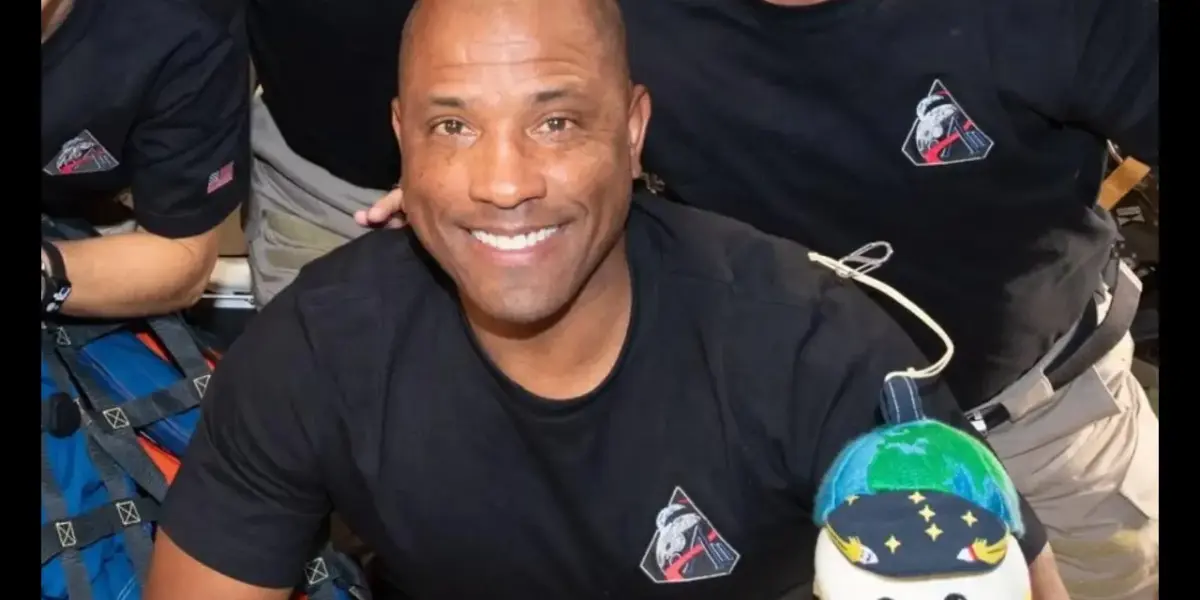
A small, plush moon named Rise served as a zero-gravity indicator on the Artemis II mission. When the astronauts reached weightlessness, Rise began to float, showing them they were truly in space. This adorable passenger was designed by an 8-year-old named Lucas from California. His design was chosen from thousands of entries submitted from all over the world.
Lucas explained that he named the toy Rise because it sounded remote and represented two important things: the Artemis II launch and the famous ‘Earthrise’ photo. This iconic image was taken during the Apollo 8 mission back in 1968, showing Earth rising above the lunar horizon. NASA technician Paula Kaine brought Lucas’s design to life. She works in the same lab where special blankets are made to keep spacecraft at the perfect temperature.
Hidden inside Rise is a tiny memory card. This card carries the names of millions of people who participated in NASA’s ‘Fly Your Name’ program. It’s a symbolic way for many to travel to the moon. Lucas expressed his surprise and happiness, saying he couldn’t believe his drawing was actually on a rocket heading to space.
Nourishment and Novelty in Orbit
The Artemis II mission pushed boundaries, traveling farther than any humans since the Apollo era. Amidst this historic journey, a simple jar of Nutella provided a moment of levity. As it spun around in zero gravity, it offered a glimpse into the everyday lives of astronauts.
Astronauts on Artemis II relied on carefully planned meals that could last the whole mission without needing a refrigerator or resupply. NASA designed this food to be nutritious, help with performance, be easy to eat in space, and create as few crumbs as possible. Crumbs in space can be a big problem, as they can float around and get into equipment.
The mission’s menu was quite varied. It included over 10 different drinks, such as coffee, green tea, apple cider, and lemonade. For meals, astronauts enjoyed items like brisket, mac and cheese, and several types of salads. The go-to food for holding toppings, like Nutella, was the humble tortilla. In fact, the Artemis II mission carried 58 tortillas into space.
A Historic Connection and Return
Beyond the fun elements, the Artemis II mission gathered significant scientific data. The crew sent back amazing images and information from their lunar flyby. Some highlights included a view of Earth setting, a solar eclipse seen from behind the moon, and stunning pictures of the Milky Way galaxy.
The mission also marked a historic communication event. The Artemis II crew had the first-ever radio conversation between a spaceship heading to the moon and the International Space Station (ISS). The astronauts on the ISS clearly heard the Artemis II crew, and vice versa. This connection allowed for a special moment, with one astronaut expressing disbelief and excitement about talking to his colleagues from deep space.
Why This Matters
The presence of a child’s drawing and a common food item like Nutella on a high-tech space mission highlights an important aspect of space exploration. It shows that while the science and technology are incredibly advanced, the human element remains central. These small touches of familiarity and creativity make the extreme environment of space more relatable and inspire future generations.
For young Lucas, seeing his creation fly to the moon is a powerful testament to the accessibility of dreams. NASA’s inclusion of public participation, like the ‘Fly Your Name’ program and the design contest, bridges the gap between the public and space science. It fosters a sense of shared ownership and excitement about reaching for the stars.
Looking Ahead
The Artemis II mission’s success, including its historic lunar flyby and communication link-up, paves the way for future lunar missions. The data collected and the experiences gained will be crucial for NASA’s long-term goals, including eventually landing astronauts on the moon again and exploring Mars. The inclusion of seemingly small, personal items suggests a growing trend in space missions to incorporate elements that connect with humanity on a deeper level, making the vastness of space feel a little less distant.
Source: Plush Toy, Floating Nutella Steal Spotlight on NASA’s Artemis II Mission (YouTube)

Related Articles


NASA’s Artemis Program Takes Giant Leap Forward
NASA's Artemis II crew has successfully returned from a historic lunar mission, marking a significant step forward for the Artemis program. Future missions, including Artemis III, IV, and V, aim to establish a permanent Moon base and pave the way for Mars exploration.

US Shows Power in Space and Hostile Rescue
The United States recently demonstrated its dual capabilities through a daring military rescue of a downed airman in Iran and a significant space mission around the moon. These events highlight American technological prowess, military strength, and commitment to its personnel, while also reflecting on shared values and the unity of humanity.


NASA’s Artemis Success Fuels Mars Ambitions
NASA's successful Artemis 2 mission, returning four astronauts safely to Earth, marks a major leap in space exploration. This triumph in human spaceflight not only paves the way for future lunar missions but also reignites ambitions for eventual human journeys to Mars, showcasing technological prowess and inspiring a new generation.