Somalia Conflict: Civilians Hit by US Strikes Amidst Political Turmoil
Somalia's new constitution aims for direct elections, but the nation faces a surge in civilian casualties from U.S. strikes against al-Shabaab. Families recount harrowing experiences, while calls for transparency and accountability grow amidst political fragmentation.

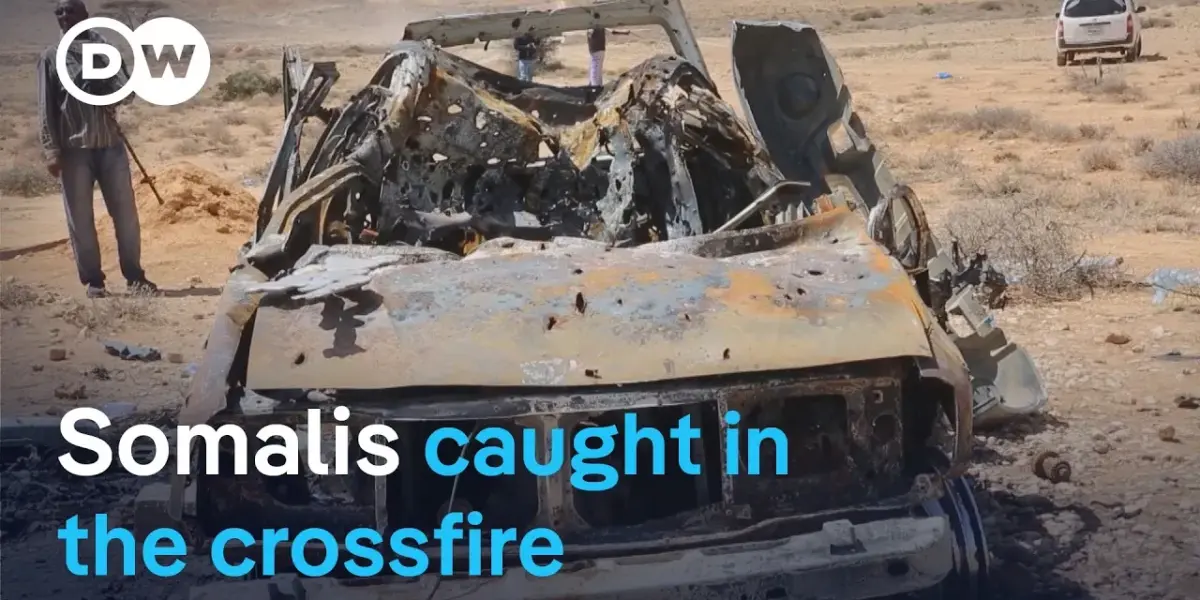
Somalia Navigates New Constitution Amidst Civilian Casualties from US Strikes
Mogadishu, Somalia – Somalia has recently enacted a new constitution, a significant step intended to usher in an era of directly elected lawmakers and a more functional government. However, this political transition is overshadowed by the ongoing toll of conflict, with civilians increasingly caught in the crossfire of U.S. military operations against radical groups like al-Shabaab. The dual challenges of internal political fragmentation and external military intervention are testing the nation’s fragile stability.
A Return to Direct Elections?
The signing of the new constitution marks a pivotal moment for Somalia, aiming to dismantle a decades-old system where clan elders selected parliamentary representatives, who in turn elected the president. This clan-based system has been in place since 2000, a departure from the direct voting that occurred before dictator Siad Barre’s military regime seized power in 1969 and ruled for three decades. While President Hassan Sheikh Mohamud hails the constitutional changes as progress, significant doubts persist about Somalia’s readiness for a nationwide vote. Lawmakers have already postponed planned elections by up to a year, and the country lacks a unified national election framework, remaining deeply fractured along state lines. Regional leaders in Puntland and Jubaland are actively boycotting the federal government’s efforts to centralize power, further complicating the political landscape.
The Escalating Impact of U.S. Air Strikes
Simultaneously, Somalia grapples with a persistent threat from al-Shabaab militants, who continue to control significant territories around the capital, Mogadishu, despite efforts by African Union forces and intensified U.S. strikes. Under the Trump administration, these U.S. operations have seen a notable resurgence, leading to a sharp increase in air strikes. In 2025, the U.S. conducted 124 air strikes in collaboration with Somali authorities. While the State Minister for Defense praised this air support as crucial, citing its success in eliminating key al-Shabaab assets like a major bomb factory, the human cost for Somali civilians is becoming increasingly apparent.
Stories of Loss and Injury
DW News spoke with families directly affected by these air strikes. Marian Guled recounted the harrowing experience of her 7-year-old son, Abd Khadir, who was severely injured by an air strike four months ago in Jamame, a town in southern Somalia controlled by al-Shabaab. “When I first brought him here to Mogadishu, he was badly wounded and bleeding,” Guled stated, describing the difficult journey. “He still has shrapnel in his body and he needs the shrapnel removed. We don’t know how he’ll end up. Ultimately, it might impact his nerves.” Guled’s home was hit during an air strike while she was preparing breakfast for her children. “My children ran outside. I ran after them and a second air strike hit. Three of my children were wounded, two boys and a girl,” she recalled. While her older children received local treatment, the $1,000 cost for the operation to remove shrapnel from Abd Khadir’s body is beyond her means.
Uncertainty and Allegations of Misidentification
The U.S. Africa Command typically publishes quarterly reports on civilian harm but has not updated its data since June of the previous year. This lack of recent information fuels concerns about transparency. Even when strikes are reported, the targeting accuracy is questioned. In September last year, Omar Abdullah Abdi was killed by a U.S. drone strike in Puntland. U.S. Africa Command claimed he was an arms dealer. However, Abdi’s family and local authorities assert he was a tribal elder actively involved in peacebuilding efforts and fighting against, rather than for, extremist groups like al-Shabaab and ISIS. A police report confirmed his involvement in peace initiatives and noted he had no criminal record. The local Puntland army, an ally of the U.S., corroborated this, stating that his clan had suffered heavily in the war against insurgents and that he was a respected chief. “If he were a criminal, he could have been arrested. Or if we had been made aware, we could have detained and arrested him,” a representative stated.
Calls for Transparency and Accountability
Abdi’s family has called for greater transparency from the U.S. and built a memorial at the site of the strike, demanding full details about why a respected leader was killed. “All they said was that they had killed him, but they did not give us enough information, and we are demanding that they tell us the full details of why they killed a respected and a revered leader,” they stated. Elias Adam, a lawyer with the Coalition of Human Rights Defenders, highlighted the unprecedented scale of human rights violations in Somalia, including casualties from air and drone strikes, as well as targeted killings by both state and non-state actors. He noted that while Somalia has established a National Human Rights Commission, issues of transparency persist, with commissions needing to adhere to the Paris Principles for legitimacy.
Erosion of Trust Amidst Conflicting Narratives
The conflicting narratives between civilian accounts and official statements from the government and military pose a significant challenge to public trust. “International stakeholders in the fight against terrorism in Somalia need to build public trust in their fight against terrorism in Somalia because civilian casualties are skyrocketing. People start to lose trust in the fight against terrorism in Somalia,” Adam explained. He emphasized that while al-Shabaab is a dangerous group, civilian casualties cannot be overlooked and must be addressed immediately. Adam also pointed out that the U.S. is not the sole actor conducting drone and air strikes in Somalia, with the United Arab Emirates and the Somali state also possessing drone capabilities.
Seeking Justice in a Complex Environment
For families seeking accountability, Adam suggested avenues such as speaking out publicly, engaging with human rights activists, and connecting with international organizations like Amnesty International and Human Rights Watch, which have a track record of assisting victims in obtaining compensation.
Navigating a Precarious Future
Somalia faces a complex terrain where security and human rights are deeply intertwined, with civilian lives often at stake. The nation is simultaneously navigating constitutional disputes, federal-state tensions, and social fragility. Elias Adam stressed the need for “smart political leadership” to navigate these challenges, suggesting that the current leadership has struggled to address critical issues, including political crises and contested constitutional ratification. He remains optimistic about eventual accountability, noting that violations are subject to international humanitarian law, including the Geneva Conventions, which strictly regulate the protection of civilians in wartime. As Somalia strives for political stability and security, the imperative to protect its citizens from the ravages of conflict, both internal and external, remains paramount.
Source: Somali civilians caught in the crossfire of US strikes against radical groups | DW News (YouTube)

Related Articles
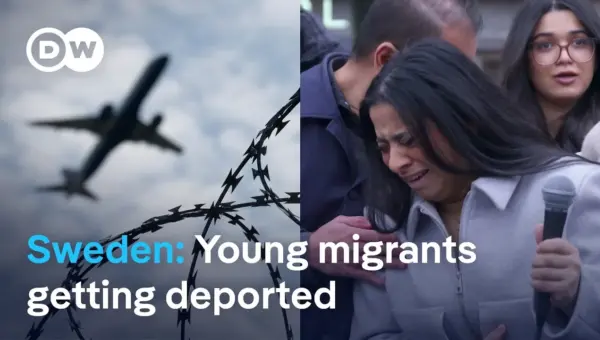
Sweden Deports Young People Amid Strict New Immigration Law
Sweden is enforcing a stricter immigration policy, leading to the deportation of young people who have grown up in the country. Despite learning Swedish, building lives, and having family ties, individuals as young as 19 are facing removal, sparking widespread protests and public concern.

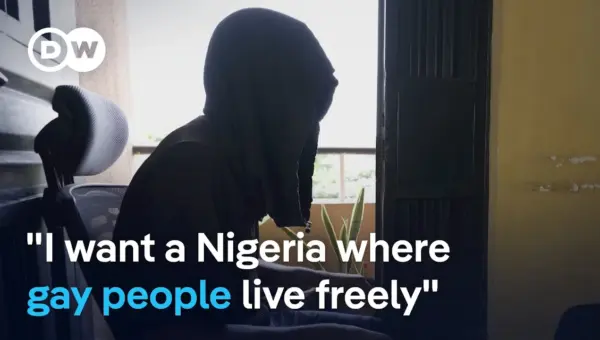
Nigeria’s ‘Kito’ Scam Targets LGBTQ+ People with Violence
Nigeria's LGBTQ+ community is facing a surge in violent 'Kito' scams, where victims are lured online, ambushed, beaten, and blackmailed. Rights groups report over 50 cases since December, highlighting the dangerous exploitation of anti-gay laws and societal homophobia. Survivors share harrowing accounts of physical and emotional trauma, living in constant fear.


China’s Organ Harvest: The CCP’s Dark Secret Exposed
A new bestseller, "Killed to Order," exposes China's alleged 20-year practice of forced organ harvesting from prisoners of conscience. Author Jan Jekielek details the system's scale and how the West may have become complicit. The book raises critical questions about human rights and international ethics.