Social Media’s Grip: Are Kids Trapped by Design?
Concerned citizens voice worries about social media's addictive design, its impact on children's attention spans, and exposure to harmful content. They question the accountability of massive social media companies profiting from user engagement, calling for better safeguards.


Social Media’s Grip: Are Kids Trapped by Design?
Many parents and concerned citizens worry about how social media affects children. They feel these platforms are designed to be addictive, much like a slot machine that gives quick rewards. This constant stream of likes and notifications can hook young minds. It pulls them away from real-world activities and can shorten their attention spans. Imagine trying to focus on homework when your phone buzzes every few minutes with exciting new content.
The Allure and the Danger
The problem goes beyond simple distraction. Some social media influencers promote unhealthy behaviors, like gambling or showing off wealth. These actions can teach children bad habits instead of positive ones. Even more concerning is the exposure to inappropriate content. This includes material that children are too young to understand or that parents simply don’t want them to see. The online world can also hide dangers like predators in chat rooms within games and apps, a risk some people have sadly experienced firsthand.
“We’ve seen some of that firsthand.”
Who Is Responsible?
This raises a big question: should social media companies be held accountable for these issues? Many people believe they should. They argue that if companies create features that encourage addiction or facilitate harmful content, they must face consequences. Some feel the companies are just passing places for bad things to happen. Others say they are actively helping these bad things spread. Either way, the call for accountability is strong.
Lack of Protection
A common complaint is that there aren’t enough safeguards. This is especially true for children navigating the internet. The risks are high, and preventative measures seem to be lacking. Even adults, who might be more aware of online dangers, can struggle. The platforms are designed to keep users engaged, sometimes at the expense of their well-being. This constant engagement can take away the joy of simpler activities, like playing outside or pursuing creative hobbies.
The Profit Motive
Social media has become a massive, trillion-dollar industry. Companies like Meta (Facebook) make huge profits from user engagement. Many believe that with such vast profits comes a responsibility. They argue that these companies should use some of their wealth to protect their users, especially the most vulnerable ones like children. The idea is that if a company profits greatly from its platform, it should also invest in making that platform safe and healthy for everyone who uses it.
Why This Matters
The widespread use of social media among children presents a significant challenge for parents and society. The platforms are engineered to capture and hold attention, potentially impacting cognitive development and social skills. Understanding the addictive nature of these platforms is crucial for developing strategies to mitigate harm. This includes educating children about online safety and responsible digital citizenship. It also means critically examining the business models of social media companies and demanding greater accountability for the content and user experiences they provide.
Historical Context and Trends
The rise of social media began in the early 2000s with platforms like Friendster and MySpace, evolving rapidly with Facebook, Twitter, and later Instagram, TikTok, and Snapchat. Initially seen as tools for connection, their design has increasingly focused on maximizing user engagement through algorithms that personalize content and notifications. This shift from simple social networking to sophisticated engagement engines has fueled concerns about addiction and mental health. The recent focus on short-form video content, like on TikTok, further intensifies this engagement loop, offering constant novelty and quick dopamine hits.
Future Outlook
The future likely holds increased debate and regulation regarding social media’s impact on young users. Parents will continue to seek better tools and resources for managing their children’s online lives. Schools and governments may implement stricter guidelines for platform design and content moderation. The tech industry itself might face pressure to adopt more ethical design principles, though profit motives will likely remain a strong counterforce. Expect more public awareness campaigns and advocacy efforts pushing for greater child protection online.
Source: Citizens Weigh in on Social Media Addiction in Children (YouTube)

Related Articles


Social Media’s Grip: Are Kids Falling Prey to Digital Traps?
Citizens express deep concern over social media's addictive design and its impact on children's attention spans. They worry about exposure to inappropriate content and online predators, calling for accountability from social media giants. The immense profits these companies make should be matched by a commitment to protecting young users.


Study Questions Parenthood’s Happiness Boost
A new study in Evolutionary Psychology questions whether parenthood leads to greater happiness, finding no evidence to support the common belief. Experts and parents on a recent broadcast shared mixed views, highlighting personal growth and unique joys alongside stress and challenges.

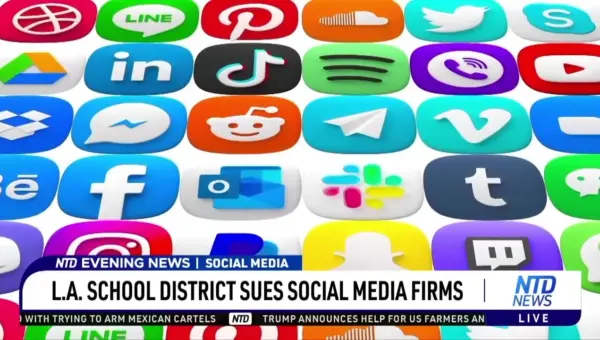
Schools Sue Big Tech Over Student Mental Health Crisis
The Los Angeles Unified School District is suing major social media companies, alleging their platforms harm students and disrupt classrooms. The lawsuit highlights issues like cyberbullying, anxiety, and exposure to harmful content, seeking greater accountability from tech giants.