Social Media’s Addiction Problem: A Legal Reckoning Looms
A recent jury verdict finding Meta and Google liable for designing addictive social media platforms for children could set a major legal precedent. This decision, drawing parallels to the tobacco industry's past struggles, signals a potential shift in accountability for tech companies. The implications could lead to significant changes in platform design and user safety measures.

Social Media’s Addiction Problem: A Legal Reckoning Looms
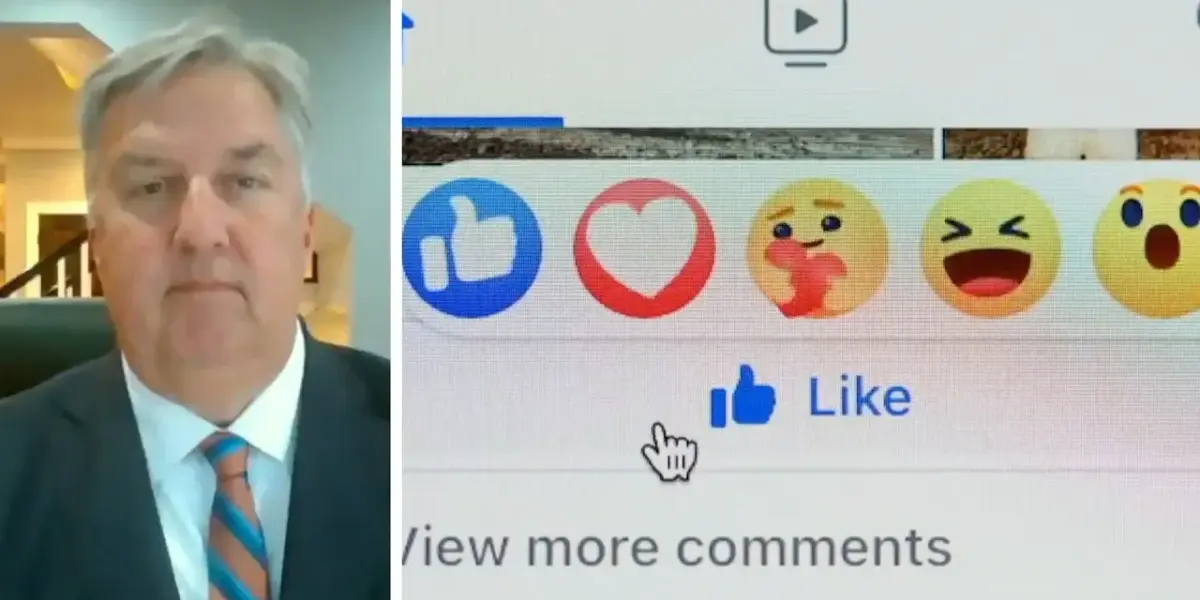
A recent jury verdict against Meta and Google could change how social media companies operate. A jury found both companies responsible for designing their platforms to be addictive to children. They also decided the companies were careless in not warning users about these dangers. This decision, discussed by former Assistant U.S. Attorney Jim Trusty, marks a significant moment in the ongoing debate about social media’s impact on young minds.
A New Legal Standard Emerges
Trusty explained that this verdict sets a new legal precedent. It suggests that social media companies can be held accountable for the addictive nature of their products. This isn’t just about one lawsuit; it opens the door for many more legal challenges against other tech giants. The core of the argument is that these platforms are intentionally designed to keep users hooked, often at the expense of their well-being.
Think of it like a casino designing slot machines to be as tempting as possible, knowing that many people will struggle to stop playing. The jury’s decision implies that social media companies may have done something similar, but with even younger and more vulnerable users. This holds them responsible for the foreseeable harm caused by these addictive designs.
Echoes of the Past: The Tobacco Industry Parallel
To understand the potential impact, Trusty drew a parallel to the government’s fight against the tobacco industry in the 1990s. At that time, cigarette companies were also accused of knowing their products were harmful and addictive. They were also criticized for not being upfront with the public about these risks. Over time, legal battles and public pressure led to stricter regulations on tobacco advertising and sales.
This social media case could follow a similar path. The verdict might lead to calls for new rules, or what Trusty called “guardrails,” to protect children. These could include limits on features that encourage addiction, clearer warnings about potential harms, or even changes to how platforms are designed. It suggests a move towards holding these powerful companies to a higher standard of responsibility.
The Debate Over Design and Warning
The jury’s findings focused on two main points: the addictive design and the lack of adequate warnings. Social media platforms often use features like infinite scrolling, constant notifications, and personalized content feeds. These are all designed to maximize user engagement, meaning keeping people on the platform for as long as possible. For children, whose brains are still developing, this can be especially problematic.
The argument is that companies knew, or should have known, that these design choices could lead to addiction and other negative outcomes, such as anxiety, depression, and sleep problems. By not providing clear warnings about these risks, they failed in their duty to protect their users, especially the youngest ones. This is similar to how tobacco companies were eventually forced to put warning labels on cigarette packs.
Why This Matters
This verdict is crucial because it addresses the fundamental business model of many social media companies. Their success often depends on capturing and holding user attention. If they are now legally responsible for the addictive nature of their platforms, they may have to rethink how they design their services. This could lead to safer online environments for children and teenagers.
It also empowers parents and users who have felt concerned about social media’s effects. The legal system is starting to acknowledge the real-world harms caused by these digital tools. This could encourage more people to demand changes and hold companies accountable for the impact of their products on society.
Looking Ahead: Implications and Future Outlook
The road ahead for social media companies could involve significant changes. Beyond potential new regulations, the threat of future lawsuits could push them to voluntarily alter their designs. This might mean less addictive features, more user control over content, and clearer communication about potential risks. The outcome of any appeals in this case will also be closely watched.
However, the legal and practical challenges are complex. Social media companies will likely fight these claims, arguing that users have personal responsibility or that the harms are not directly caused by their platforms. The definition of “addictive design” and what constitutes a “reasonable warning” could be debated for years in courtrooms. Despite these challenges, this verdict represents a potential turning point, signaling that the era of unchecked growth for social media may be facing new limitations.
Other Legal Developments
The discussion also touched on other legal matters. An appeals court recently ruled that immigration authorities can detain illegal immigrants without requiring a bond. This decision has implications for how immigration enforcement is carried out. Additionally, a case highlighted the consequences of lying on citizenship applications. Two individuals were de-naturalized after it was discovered they had hidden their criminal histories when applying for citizenship. These cases show ongoing legal activity in areas impacting public safety and national security.
Source: Social Media Verdict Could Curb Conduct by Litigation: Former US Attorney (YouTube)

Related Articles


Social Media Giants Face Lawsuits Over Addictive Designs
Tech giants Meta and Google are facing significant legal challenges as juries find them liable for the addictive design of their platforms and the harm caused to young users. Recent verdicts in California and New Mexico have ordered the companies to pay millions in damages, highlighting concerns over mental health impacts and child exploitation.


Meta, YouTube Lose Landmark Cases Over Teen Harm
Meta and YouTube have been found liable in landmark cases alleging their platforms contribute to harm among teenage users. Juries saw through company denials after prosecutors presented damning internal documents showing awareness of negative impacts. This ruling could lead to significant changes in how social media companies are held accountable.

Meta Whistleblower: Zuckerberg Ignored Child Safety Warnings
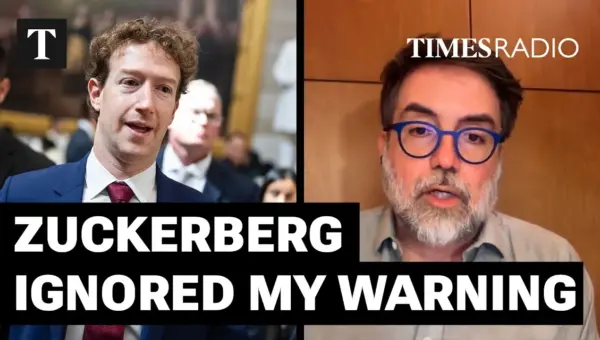
A former Instagram executive revealed that Meta knew about the harm its platforms caused to children but failed to act. Art Behar testified that Mark Zuckerberg ignored his direct warnings, highlighting the addictive design and ineffective safety tools on Instagram. The recent Los Angeles ruling against Meta has opened the door for greater scrutiny of big tech's practices.