Social Media Giants Found Liable in Landmark Lawsuit
A Los Angeles jury has found Meta and YouTube negligent in their platform designs, marking a historic verdict that could signal the "end of social media as we know it." The ruling holds the tech giants accountable for addicting young users and causing mental health issues, potentially reshaping the industry.

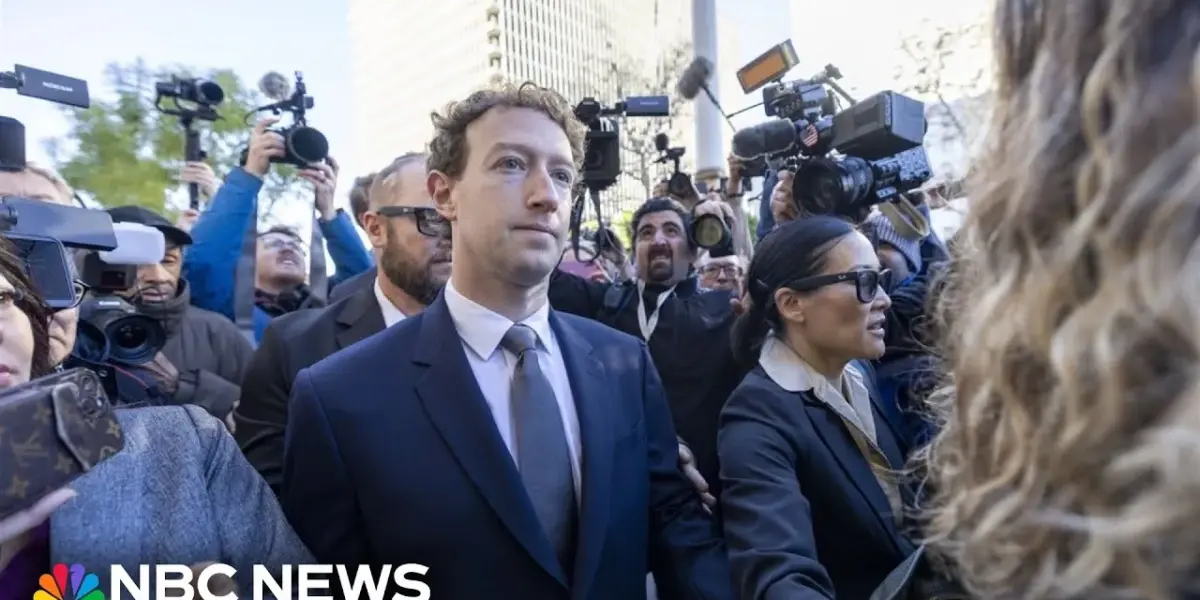
Tech Giants Face Legal Reckoning Over Platform Design
In a historic ruling, a Los Angeles jury has found Meta and YouTube negligent in the design and operation of their platforms. The jury determined that the tech giants failed to warn users about the dangers associated with their services. This verdict marks the first time a social media company has been held liable for harming a young user through features designed to cause addiction and mental health problems.
The trial, which included testimony from Meta CEO Mark Zuckerberg, is considered a landmark case with significant implications for the future of social media. Both Meta and Google, YouTube’s parent company, have stated they disagree with the verdict and plan to appeal.
This decision comes just days after Meta was ordered to pay $375 million in New Mexico for allegedly concealing information about child sexual exploitation on its platform. Meta also intends to appeal that verdict.
A Turning Point for Social Media and Childhood
Technology journalist Jacob Ward described the verdict as a “historic moment,” comparing its potential societal impact to the discoveries that cigarettes cause cancer or the necessity of seat belts in cars. “This is the end of social media as we know it,” Ward stated, emphasizing the profound societal shift unfolding in real time.
He highlighted that for the first time, social media companies are being held accountable for their design choices and for addicting children in harmful ways. This was previously thought to be unimaginable due to the powerful legal protections these companies have long enjoyed.
A new legal theory emerging from this case could open the door to over 1,600 additional lawsuits against these companies. This suggests a wave of legal challenges may be on the horizon.
Redefining Control and Behavior in the Digital Age
Ward explained that until now, society has largely treated our attention and behavior as entirely within our own control. However, a new industry has emerged that makes its business from analyzing and shaping user behavior at scale. The core of this business model is recognizing that user attention is an extremely profitable product.
The jury’s decision signals a crucial shift in understanding. They grappled with the abstract concept that platform design can cause real harm, a notion that might have been difficult for juries to grasp just a few years ago. “Armies of experts inside these companies working on that kind of idea” are now being recognized by a jury of peers.
This verdict could potentially rewrite the rules for social media companies. However, Ward cautioned that this rewrite will likely face significant opposition. “Enormous First Amendment issues” are expected to arise, and Meta and YouTube will fight these changes vigorously, as it poses an existential threat to their current business practices. The era of treating user behavior as an endless product to be mined may be over.
Financial Ramifications and the Incentive to Change
While individual judgments might seem small compared to the multi-trillion-dollar valuations of Meta and Alphabet (Google’s parent company), the cumulative effect could be substantial. The $375 million judgment in New Mexico and the initial $3 million awarded to a single plaintiff in Los Angeles are described as “rounding errors” on their balance sheets.
However, Ward pointed to the pipeline of over 350 similar cases and the 250 school districts preparing to file lawsuits. If the math from the Los Angeles case is applied broadly, the total damages could reach billions of dollars. This financial pressure, combined with emerging liability in the United States, creates a powerful incentive for these companies to change their business models.
Unlike industries like big tobacco or lead paint, where financial harm eventually forced changes, the sheer scale of social media made it difficult to imagine imposing enough financial damage to compel alteration. This verdict, however, shifts those incentives significantly. Despite expected lengthy appeals, the ruling operates at a scale that could fundamentally impact these companies in a new way.
AI, Policy, and the Contrast in Approaches
The discussion also touched upon the broader technological landscape, including an event at the White House featuring AI-powered robots and a summit on technology and education. Ward drew a stark contrast between the jury’s decision and the current administration’s approach to technology.
He noted that the lack of federal legislation has forced legal action on a case-by-case basis. The Attorney General in the New Mexico case expressed a desire for broader legislative action rather than relying on individual court battles. Ward observed the presence of what he termed a “pro-tech cabal” in the White House, seemingly intent on opening the floodgates for the industry.
This approach, he argued, stands in sharp contrast to the jury’s verdict, which represents the first significant democratic input from everyday Americans on how these powerful companies should operate. The contrast highlights a growing tension between industry advancement and public demand for accountability and protection.
Looking Ahead
The legal battles for Meta and YouTube are far from over, with appeals expected to be lengthy and complex. However, this verdict has undeniably opened a new chapter in the regulation and societal perception of social media. The focus will now shift to how these companies adapt, how legal precedents are set, and whether legislative action will follow this watershed moment.
Source: Why Meta and YouTube lawsuit could trigger the ‘end of social media as we know it’ (YouTube)

Related Articles

Social Media Giants Face Lawsuits Over Addictive Designs
Tech giants Meta and Google are facing significant legal challenges as juries find them liable for the addictive design of their platforms and the harm caused to young users. Recent verdicts in California and New Mexico have ordered the companies to pay millions in damages, highlighting concerns over mental health impacts and child exploitation.

New Food Channel Seeks 1,000 Subs, 4,000 Watch Hours
Content creators Joe and Naz have launched a new YouTube channel focused on food exploration. "Joe and Naz" aims to reach 1,000 subscribers and 4,000 watch hours to grow its audience. The duo plans to feature restaurant reviews, travel, and audience-suggested content.

Meta, YouTube Lose Landmark Cases Over Teen Harm
Meta and YouTube have been found liable in landmark cases alleging their platforms contribute to harm among teenage users. Juries saw through company denials after prosecutors presented damning internal documents showing awareness of negative impacts. This ruling could lead to significant changes in how social media companies are held accountable.