Social Media Giants Found Liable in Landmark Addiction Lawsuit
Tech giants Meta and YouTube have been found liable in a landmark California trial for harming a teenager through addictive platform features, facing $6 million in damages. This verdict, focusing on platform design over content, could open the door to thousands more lawsuits. The legal strategy echoes the 'Big Tobacco' moment, aiming to hold social media accountable for its addictive design.

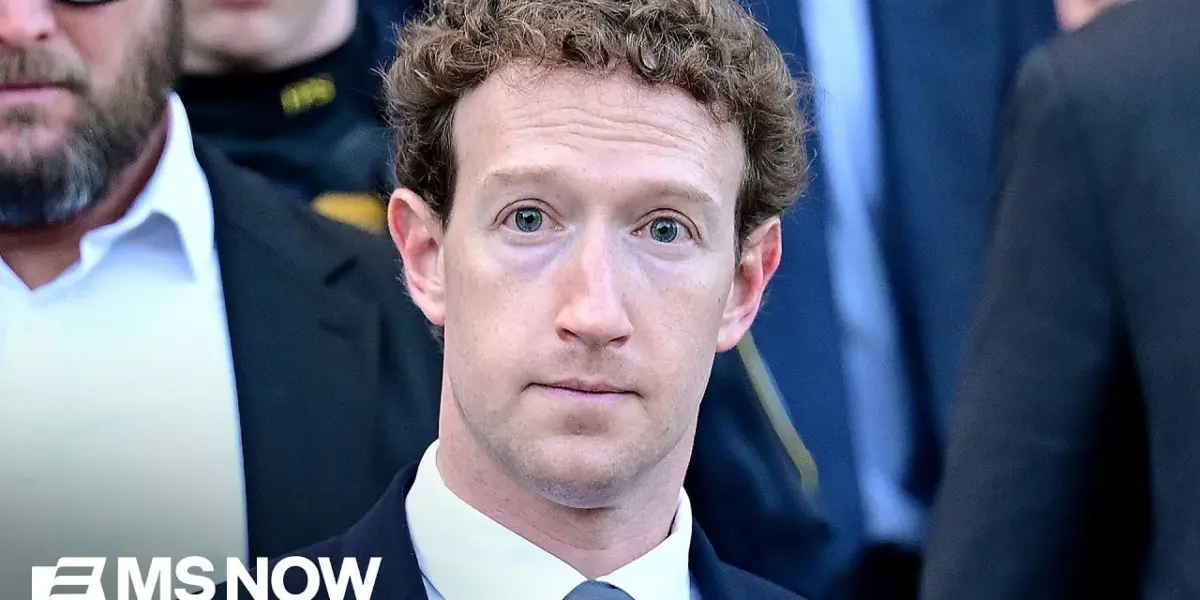
Meta, YouTube Liable in Teen Addiction Case
In a significant legal development, Meta and YouTube have been found liable for harming a teenager through addictive features on their platforms. A California jury ordered the tech giants to pay a total of $6 million in damages. While this sum may seem small for companies of their size, legal experts believe it could pave the way for thousands of similar lawsuits targeting social media platforms over user well-being.
Both Meta and YouTube have stated they disagree with the verdict and plan to appeal. This decision follows closely on the heels of a New Mexico jury finding Meta liable for violating the state’s child safety laws, resulting in a $375 million penalty. These rulings, though financially modest for the companies, represent a major shift in how social media platforms can be held accountable.
A New Legal Strategy: Design Over Content
The key to these recent verdicts lies in a new legal approach that focuses on the design of the platforms rather than just the content they host. Historically, social media companies have been shielded from liability for user-generated content by Section 230 of the Communications Decency Act, enacted in 1996. This law has made it difficult to sue these platforms for harmful material shared online.
However, the strategy employed in these cases targets the very features designed to keep users engaged, such as infinite scrolling and addictive recommendation algorithms. Lawyers argued that these design elements are intentionally created to hook users, particularly children, and are therefore the responsibility of the companies. This approach effectively bypasses the protections of Section 230 by focusing on product design rather than content moderation.
“This legal strategy gets around that by saying, we don’t care about the content right now. We’re talking about the feature that keeps you infinitely scrolling. We’re talking about the recommendations that addict you to the site. The algorithm that hooks you in. That stuff, they’re absolutely liable for and Mark’s absolutely right. They do it by design. They’re trying to keep us all scrolling.”
The ‘Big Tobacco Moment’ for Social Media?
Many are comparing these legal victories to the landmark cases against tobacco companies in the late 1990s. The Master Settlement Agreement in 1998, which resulted in a $206 billion payout from tobacco companies, fundamentally changed the industry’s practices and public perception. The hope is that these social media lawsuits will have a similar effect, forcing significant changes in how these platforms operate.
Whistleblowers and legal teams, including Frances Haugen, a former Facebook insider, and attorneys like Josh Koskoff and Alison Sterling, have been instrumental in bringing these issues to light. Haugen testified before Congress about evidence showing Meta consciously manipulated algorithms to negatively impact young women’s body image. Koskoff and Sterling, known for their work in product liability cases, have successfully used similar strategies to hold manufacturers accountable, opening doors for further litigation.
Political Power and Regulatory Hurdles
Despite these legal wins, the path to regulation remains complex, especially in an election year. Social media companies wield immense political influence, spending vast sums on lobbying efforts to prevent stricter oversight. Mark Zuckerberg’s recent appointment to a Trump administration advisory council highlights the close ties between tech leaders and political figures.
While bipartisan support for child safety regulations in Congress exists, past legislative efforts, such as the proposed ban on TikTok, have stalled. This suggests that powerful lobbying and political maneuvering can often undermine public and legislative will. There are concerns that any potential changes to Section 230, while desired by some on the right, could be manipulated to create new problems rather than solve existing ones.
The Future of Social Media Accountability
The recent verdicts represent a critical turning point, potentially forcing social media companies to re-evaluate their addictive design features. The growing awareness among consumers about how these platforms operate is also a significant factor. As more evidence emerges and legal precedents are set, the pressure on Meta, YouTube, and other platforms to prioritize user well-being over engagement may intensify.
The coming months will be crucial in determining whether these legal challenges translate into meaningful changes in platform design and government regulation. The public’s sustained attention and the continued efforts of legal advocates will be key to shaping the future accountability of the social media industry.
Source: 'Breaking the dam': Social media sites liable of harm in landmark addiction trial (YouTube)

Related Articles

New Food Channel Seeks 1,000 Subs, 4,000 Watch Hours
Content creators Joe and Naz have launched a new YouTube channel focused on food exploration. "Joe and Naz" aims to reach 1,000 subscribers and 4,000 watch hours to grow its audience. The duo plans to feature restaurant reviews, travel, and audience-suggested content.

Meta, YouTube Lose Landmark Cases Over Teen Harm
Meta and YouTube have been found liable in landmark cases alleging their platforms contribute to harm among teenage users. Juries saw through company denials after prosecutors presented damning internal documents showing awareness of negative impacts. This ruling could lead to significant changes in how social media companies are held accountable.

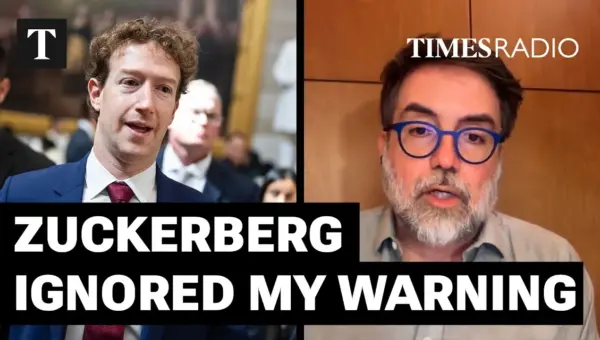
Meta Whistleblower: Zuckerberg Ignored Child Safety Warnings
A former Instagram executive revealed that Meta knew about the harm its platforms caused to children but failed to act. Art Behar testified that Mark Zuckerberg ignored his direct warnings, highlighting the addictive design and ineffective safety tools on Instagram. The recent Los Angeles ruling against Meta has opened the door for greater scrutiny of big tech's practices.