Social Media Giants Face Legal Reckoning Over Child Harm
Juries have recently found Meta and YouTube liable for harming children, marking a significant legal shift. This, coupled with legislative efforts like the Kids Online Safety Act, signals a growing demand for social media accountability regarding child safety and mental well-being.

Social Media Giants Face Legal Reckoning Over Child Harm
In a significant shift for the digital age, juries have recently found Meta and YouTube responsible for harming children. These court decisions mark a turning point in the long-running debate about social media’s impact on young people. The fight for greater accountability is happening in courtrooms and in the halls of Congress.
A New Legal Front Opens Against Tech Giants
Two major trials have concluded with juries holding social media companies liable for the harm caused to minors. One case involved Meta (the parent company of Facebook and Instagram), and the other involved YouTube. These verdicts suggest that tech platforms may no longer be shielded from responsibility for the negative effects their services have on young users.
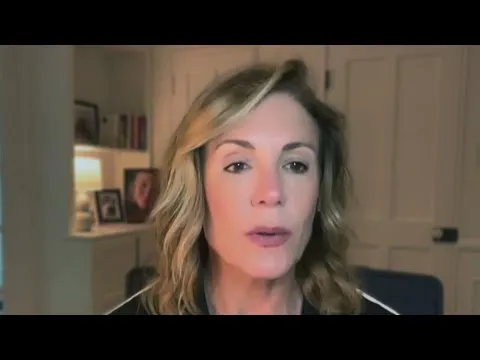
Giuliana Arnold, a mother who lost her daughter Coco to a fentanyl overdose arranged through Instagram, was present for much of the trial. She described the courtroom atmosphere as tense, with parents holding hands and feeling uncertain about the outcome. “We were sitting on pins and needles,” Arnold said, explaining that they had been told they had little chance of winning. However, hearing the details of the case made the negligence clear to her. “How could they not see how they were intentionally harming these kids?” she asked. The jury’s guilty verdict was a relief, though bittersweet. “It doesn’t bring Coco back,” she stated, but she hopes it will prevent other families from experiencing similar tragedies.
Beyond Fentanyl: Mental Health and Addiction Concerns
Another case focused on different harms. A young woman testified that she became addicted to Instagram and YouTube, which severely damaged her mental health and led to suicidal thoughts. This highlights a broader concern about social media’s role in mental health issues among teens.
Arnold explained that her daughter Coco’s struggles began around age 12 or 13 when she started using social media. Coco, who had ADHD and was described as impressionable, transformed from a happy child into someone experiencing social anxiety, depression, and declining grades. Arnold noted that while they sought help, they didn’t realize how much social media was contributing to her downward spiral. She believes that companies like Meta intentionally target young people, even those under 13, despite their own rules stating 13 is the minimum age. “They’re retargeting these kids to get them with their design features,” Arnold argued. She believes these design features, not just content, amplify pain through algorithms that track users’ lives and target them with ads based on their moods.
Arguments Against Parental Blame
Some critics, like those on The Wall Street Journal editorial page, have called these lawsuits “social media shakedowns.” They suggest trial lawyers will use these verdicts to recruit more plaintiffs and that people might sue for problems exacerbated by scrolling through social media. They imply that individuals should be responsible for their own issues.
Arnold strongly disagrees with this view. “I think they’re dead wrong because they don’t know these families,” she stated. She emphasized that they are not talking about people who can take care of themselves. Instead, they are concerned about vulnerable children and frustrated parents who feel helpless. Arnold believes social media companies blame parents to avoid responsibility. She pointed out that internal documents showed companies knew their platforms were not safe for kids and could lead to problematic use, yet they proceeded anyway. “This is about a product that is faulty that is harming our kids,” she asserted, adding that like any other product, it needs guardrails and regulations to protect children.
The Push for Federal Legislation: The Kids Online Safety Act
Alongside courtroom battles, lawmakers are also taking action. A bipartisan group of legislators and parents are supporting the Kids Online Safety Act (KOSA). There are versions of this bill in both the House and the Senate. Arnold is a strong advocate for the Senate version, believing it is the stronger of the two proposals.
The goal of KOSA is to create federal laws that offer better protection for children online. This legislative effort runs parallel to the legal cases, showing a multi-pronged approach to addressing the harms associated with social media use by minors. Mark Zuckerberg, CEO of Meta, testified under oath that the company knew about potential harms and could have done more. Emails revealed that the company was aware of younger children using their platforms and that questions were raised internally about why more wasn’t being done.
Global Impact and Future Scenarios
These legal decisions and legislative efforts could reshape the relationship between social media companies and their users, especially younger ones. If KOSA passes, it could set new standards for platform design, data collection, and safety features aimed at protecting minors. This could lead to significant changes in how platforms operate and potentially impact their business models.
The verdicts may also encourage more lawsuits against tech companies, creating ongoing legal pressure. For parents, these developments offer a sense of validation and hope that greater protections will be put in place. The debate now moves beyond individual tragedies to systemic issues of corporate responsibility and child welfare in the digital age.
Source: Jury decisions against social media giants a step forward, bereaved mother says | Elizabeth Vargas R (YouTube)

Related Articles

Social Media Giants Face Lawsuits Over Addictive Designs
Tech giants Meta and Google are facing significant legal challenges as juries find them liable for the addictive design of their platforms and the harm caused to young users. Recent verdicts in California and New Mexico have ordered the companies to pay millions in damages, highlighting concerns over mental health impacts and child exploitation.

Meta, YouTube Lose Landmark Cases Over Teen Harm
Meta and YouTube have been found liable in landmark cases alleging their platforms contribute to harm among teenage users. Juries saw through company denials after prosecutors presented damning internal documents showing awareness of negative impacts. This ruling could lead to significant changes in how social media companies are held accountable.

Meta Whistleblower: Zuckerberg Ignored Child Safety Warnings
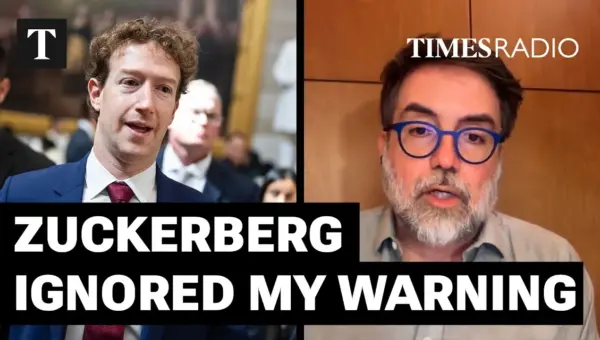
A former Instagram executive revealed that Meta knew about the harm its platforms caused to children but failed to act. Art Behar testified that Mark Zuckerberg ignored his direct warnings, highlighting the addictive design and ineffective safety tools on Instagram. The recent Los Angeles ruling against Meta has opened the door for greater scrutiny of big tech's practices.