Social Media Addiction Trial: Verdict Could Arrive Monday
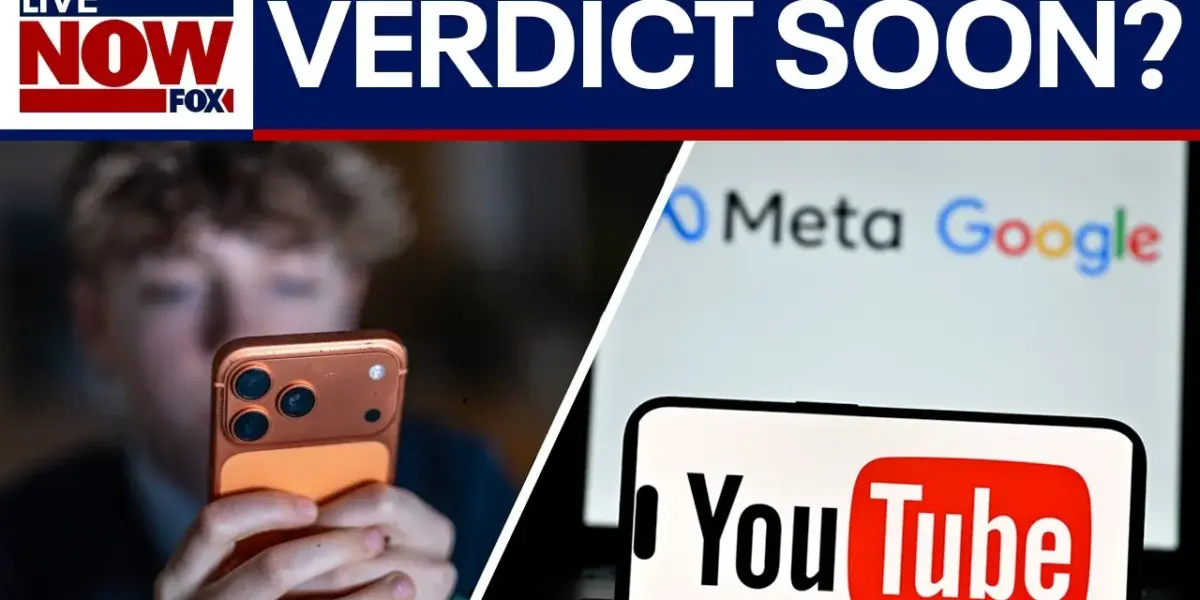
Jurors in a landmark social media addiction trial against Meta and Alphabet are reportedly nearing a verdict, with a key question suggesting they have found liability. The case could reshape social media's future and impact thousands of similar lawsuits nationwide. A decision is anticipated as early as Monday.

Landmark Social Media Addiction Trial Nears Verdict
A groundbreaking trial in Los Angeles, where Meta (Facebook) and Alphabet (YouTube) face accusations of causing a young woman’s social media addiction, is on the brink of a verdict. After a month of testimony, jurors are now deliberating whether the tech giants are liable for the harm caused. This case, considered a bellwether, could significantly reshape the future of social media and potentially trigger a wave of similar lawsuits nationwide.
Jury Questions Hint at Liability Finding
On Friday, the jury sent a critical question to the judge: “Do all the jurors answer this question or is it just the jurors who answered yes to questions 2 through 7?” This query focused on compensatory versus punitive damages, indicating that a majority of jurors have likely already found liability against Meta and Alphabet. While legal experts caution against reading too much into jury notes, this question strongly suggests the deliberations have moved past the liability phase and into determining the financial damages.
“The note itself indicates that,” stated legal affairs journalist Megan Kuniv. “So, everyone is waiting to see. We feel like we’re a lot closer to a verdict now. We feel like Monday could be the day.” The case does not require a unanimous decision, as a majority vote is sufficient for a verdict in this civil trial.
Arguments and Evidence Presented
The plaintiffs argued that social media platforms, with their features like “like” counts and the “fear of missing out” (FOMO), are designed to be addictive. They presented evidence and testimony suggesting that these platforms exploit users, particularly those with pre-existing problems, exacerbating their difficulties. The defense, however, focused on proving that the plaintiff’s issues stemmed from personal circumstances rather than solely from social media use.
Attorneys for the plaintiff, led by Mark Lanier, aimed to demonstrate that social media played a substantial role in the young woman’s (identified as “Kaye”) struggles. They highlighted internal documents and testimony from tech executives, including Meta CEO Mark Zuckerberg. Lanier suggested that figures like Zuckerberg may not have fully grasped the potential consequences of their platforms’ design when they were first created. “I do believe that these companies purposefully designed their features to if not use the word addict… at least to make people spend more time on these apps than is good for the developing brain of a pre-teen and a teen,” Lanier commented.
“We’ve seen so much stuff about how social media consumed her life. I think that the idea that the jury could come back on Monday with a damages award.”
Megan Kuniv, Legal Affairs Journalist
Broader Implications for Social Media Companies
If the plaintiff wins, the consequences for social media companies could be immense. This trial is a bellwether, meaning its outcome could set a precedent for thousands of other similar lawsuits pending across the country. A significant verdict against Meta and Alphabet could compel other social media platforms to rethink their design, features, and potentially face stricter regulations.
Notably, TikTok and Snapchat were also involved in the initial lawsuit. TikTok settled with the plaintiffs before the trial began, though the terms of that settlement remain confidential. However, following the settlement, TikTok launched advertising campaigns focused on parental safety and child protection features, which Kuniv suggested might have been influenced by the settlement terms.
The Path to a Verdict and Potential Damages
The jury is expected to return on Monday morning to continue deliberations. While the recent question suggests a move towards damages, Lanier cautioned that the jury could still change their minds. “Questions do not mean they’ve reached a decision. It means that they’re asking a question they want to know an answer to, and that’s all,” he stated.
Should the jury find liability and proceed to award damages, there is a two-phase process. First, they determine liability and compensatory damages. If punitive damages are considered, a second phase would involve presenting evidence of the companies’ net worth to the jury to decide on an additional penalty. This phased approach is designed to ensure that liability is determined independently of the companies’ financial size.
What to Watch Next
All eyes are on Los Angeles as the jury prepares to deliver its verdict, potentially as early as Monday. The outcome of this trial will not only impact the individuals involved but could also usher in a new era of accountability and design changes for the social media industry as a whole. The world will be watching to see if this landmark case marks a turning point in how social media platforms are held responsible for their impact on users’ lives.
Source: Social media addiction trial: Verdict could come down on Monday (YouTube)

Related Articles

New Food Channel Seeks 1,000 Subs, 4,000 Watch Hours
Content creators Joe and Naz have launched a new YouTube channel focused on food exploration. "Joe and Naz" aims to reach 1,000 subscribers and 4,000 watch hours to grow its audience. The duo plans to feature restaurant reviews, travel, and audience-suggested content.

Meta, YouTube Lose Landmark Cases Over Teen Harm
Meta and YouTube have been found liable in landmark cases alleging their platforms contribute to harm among teenage users. Juries saw through company denials after prosecutors presented damning internal documents showing awareness of negative impacts. This ruling could lead to significant changes in how social media companies are held accountable.

Meta Whistleblower: Zuckerberg Ignored Child Safety Warnings
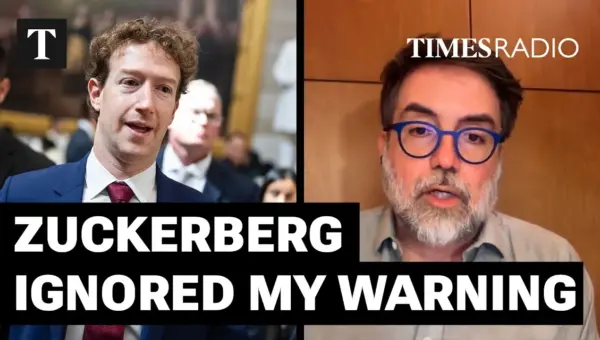
A former Instagram executive revealed that Meta knew about the harm its platforms caused to children but failed to act. Art Behar testified that Mark Zuckerberg ignored his direct warnings, highlighting the addictive design and ineffective safety tools on Instagram. The recent Los Angeles ruling against Meta has opened the door for greater scrutiny of big tech's practices.