Social Media Addiction Trial: Jury Weighs Meta, YouTube Liability
A landmark trial in Los Angeles, accusing Meta and YouTube of designing addictive platforms that harm young users, has concluded closing arguments. A jury will decide if the tech giants are liable for mental health issues stemming from social media use. The verdict could set a major legal precedent for the industry.


Landmark Social Media Addiction Trial Concludes Closing Arguments
LOS ANGELES – A groundbreaking trial accusing social media giants Meta and YouTube of fostering addiction and contributing to mental health issues among young users has concluded its closing arguments. A jury in Los Angeles is now tasked with determining the liability of these tech behemoths, marking a pivotal moment in the ongoing debate over the impact of social media on adolescent well-being. The case, brought forth by a 20-year-old plaintiff identified as K.G.M., is the first of over 1,600 similar lawsuits to reach a trial stage, potentially setting a significant legal precedent.
Plaintiff’s Case: “Trojan Horses” Designed for Addiction
During the trial, attorneys for the plaintiff argued that social media platforms are intentionally engineered to be addictive, likening them to “Trojan horses.” “They look wonderful and great, but you invite them in and they take over,” stated the plaintiff’s legal team during closing arguments, urging the jury to hold the companies accountable. The core of the plaintiff’s argument is that Meta and YouTube deliberately designed their services to ensnare young users, leading to detrimental mental health consequences, including addiction. Experts, engineers, and even Meta CEO Mark Zuckerberg testified during the proceedings, presenting evidence and counterarguments to the court.
Defendants’ Defense: Challenging Causation and Design Intent
Both Meta and YouTube vehemently pushed back against the accusations. YouTube’s Vice President of Engineering testified that the platform is not designed to maximize user time. In its closing remarks, Meta contended that the plaintiff’s mental health challenges were attributable to a range of other childhood issues, separate from her social media usage. The defense sought to decouple the platforms’ design from the specific negative outcomes experienced by the plaintiff, suggesting that external factors played a more significant role.
Parents’ Plea for Accountability and Truth
Outside the courtroom, parents who have lost children to mental health crises linked to social media expressed their deep-seated desire for justice and transparency. “We want to see accountability. We want to hear the truth. We want to see the truth,” one parent stated, echoing the sentiments of many families grappling with the fallout of online platforms. Their presence underscored the personal and profound impact of the issues at the heart of the trial, highlighting the emotional stakes involved for families affected by social media-related mental health struggles.
Potential Precedent and Future Implications
“The algorithms need to change. But again, I’ll say this forever. Until they change their heart, they won’t change anything with their companies.”
– Parent of a child affected by social media
Legal experts suggest that the outcome of this trial could have far-reaching consequences. A verdict in favor of the plaintiff might pave the way for settlements in many of the other pending lawsuits against social media companies. Furthermore, it could lead to mandated changes in the design features of these popular apps and result in significant financial damages awarded to those harmed. The case is seen as a critical test of whether tech companies can be held legally responsible for the addictive nature of their products and the mental health consequences they may engender in young users.
What’s Next: Awaiting the Jury’s Decision
The jury has begun deliberations, with a verdict potentially expected as early as the following day, though it could extend into the following week given the complexity and volume of evidence presented. Regardless of the immediate outcome, legal analysts anticipate that the case will likely be subject to appeals, ensuring that its impact on the legal landscape of social media regulation will be felt for years to come. The world is watching to see if this trial will usher in a new era of accountability for the social media industry.
Source: Closing arguments read in social media addiction trial (YouTube)

Related Articles


New Food Channel Seeks 1,000 Subs, 4,000 Watch Hours
Content creators Joe and Naz have launched a new YouTube channel focused on food exploration. "Joe and Naz" aims to reach 1,000 subscribers and 4,000 watch hours to grow its audience. The duo plans to feature restaurant reviews, travel, and audience-suggested content.

Meta, YouTube Lose Landmark Cases Over Teen Harm
Meta and YouTube have been found liable in landmark cases alleging their platforms contribute to harm among teenage users. Juries saw through company denials after prosecutors presented damning internal documents showing awareness of negative impacts. This ruling could lead to significant changes in how social media companies are held accountable.

Meta Whistleblower: Zuckerberg Ignored Child Safety Warnings
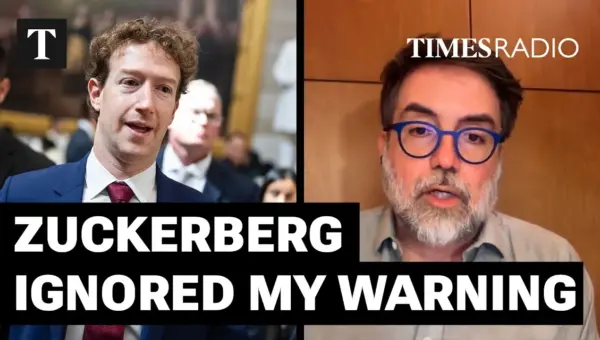
A former Instagram executive revealed that Meta knew about the harm its platforms caused to children but failed to act. Art Behar testified that Mark Zuckerberg ignored his direct warnings, highlighting the addictive design and ineffective safety tools on Instagram. The recent Los Angeles ruling against Meta has opened the door for greater scrutiny of big tech's practices.