Snyder: Democracy Demands Citizen Action, Not Passive Hope
Historian Timothy Snyder asserts that democracy's survival depends on active citizen participation, not passive hope. He analyzes the fraying 'veneer of invincibility' surrounding Donald Trump and stresses the vital role of grassroots action and a vigilant press in bolstering democratic institutions.

Historian Timothy Snyder Warns Against Complacency, Urges Active Defense of Democracy
In a stark assessment of the current political climate, renowned historian Timothy Snyder has issued a powerful call to action, emphasizing that the preservation of democracy hinges not on passive hope or historical inevitability, but on the deliberate and sustained efforts of ordinary citizens. Speaking from his position as a professor at the Monk School of Global Affairs and Public Policy at the University of Toronto and author of influential works such as ‘On Freedom’ and ‘On Tyranny: 20 Lessons from the 20th Century,’ Snyder argues that the defining characteristic of a healthy democracy is not who its leaders are, but what its people do.
The Illusion of Invincibility and Cracks in the Facade
Snyder identifies a key element of Donald Trump’s political strategy as the cultivation of a ‘veneer of invincibility.’ Unlike his first term, where some reliance on expertise was evident, Trump has reportedly surrounded himself with individuals who reinforce this image, discouraging dissent or the acknowledgment of weaknesses. This dynamic, Snyder suggests, explains the loyalty of figures like Pam Bondi and Kash Patel, while others, such as Kristi Noem, have found themselves sidelined. However, Snyder perceives that this facade is beginning to show signs of strain.
He likens the White House to a ‘television serial,’ suggesting that Trump’s talent lies in entertainment. The unraveling of such a narrative, Snyder posits, occurs when the plot becomes too contradictory, when the story no longer makes sense to its followers. This, combined with the intense pressure for absolute loyalty required for Trump’s reported ambitions to ‘federalize or fix’ upcoming congressional elections, creates fertile ground for an ‘elite crack up.’ Snyder anticipates a moment where individuals around Trump, faced with the personal risk of aligning with his agenda, will opt out, stating, ‘I don’t actually want to take this risk. I think that’s what’s coming, but we’re not there yet.’
The Power of Citizen Action and Organized Resistance
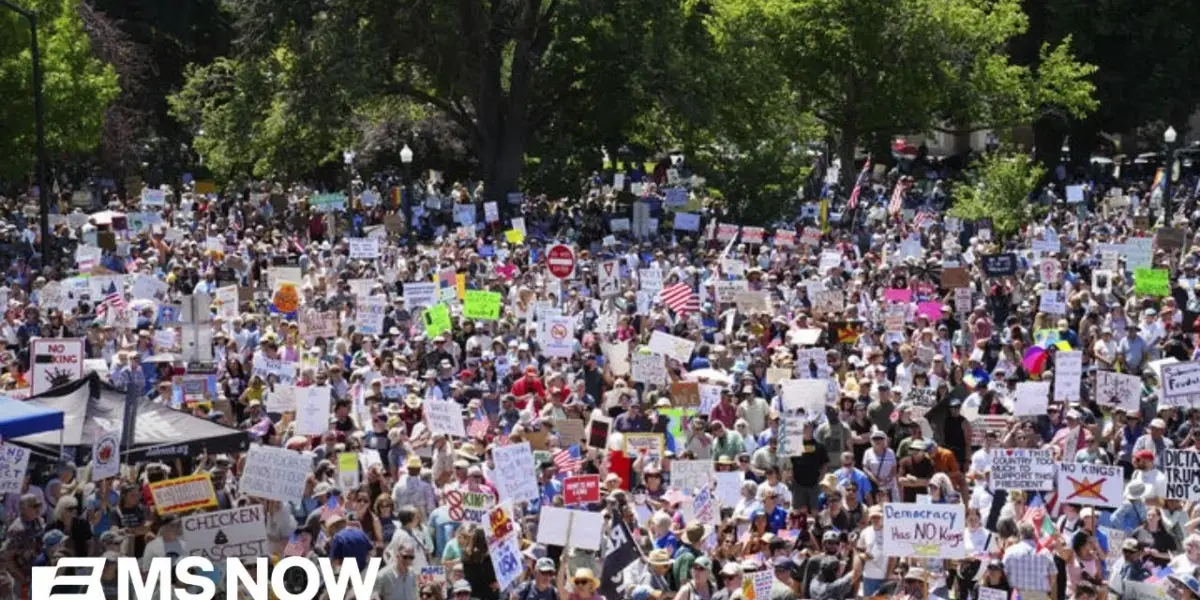
Beyond intellectual frameworks, Snyder champions the tangible power of grassroots activism. He notes a significant increase in protests against the current administration compared to Trump’s first term, highlighting events like the ‘No Kings’ rallies as examples of collective action. Snyder, however, stresses that the impact of these large-scale demonstrations is amplified by smaller, consistent acts of civic engagement occurring nationwide. These include local town halls and individual community initiatives, all of which contribute to a larger movement.
‘It’s not about who we are, it’s about what we do,’ Snyder reiterated, drawing a direct line to the core message of his work. He emphasizes that democracy is not a self-sustaining entity; it requires active participation, particularly when its foundational institutions face challenges. ‘Democracy ultimately depends on ordinary citizens acting when institutions falter, which is exactly the moment we’re in right now,’ he stated.
“If we lie back and we think, well, history will save us, the Constitution will save us, something else will save us, rather than waiting, people acting.”
Institutions and the Role of the Press
Snyder’s analysis extends to the crucial role of institutions in a functioning democracy, particularly the press. He argues that citizen action, such as protests and engagement in public discourse, serves to bolster these institutions. ‘The second lesson of the book, you help the institutions by doing that,’ he explained. Courageous and diligent journalism, he contends, is indispensable for informing the public about the issues at stake, providing clarity on what citizens are protesting for or against. Furthermore, public demonstrations can influence lawmakers, prompting them to ‘sit up straight in their seats and ask the tough questions,’ and remind judges of the actual facts and the nature of the country they serve.
The historian painted an optimistic scenario where the combined force of citizen action, the clarity it provides, and the courage displayed by individuals and institutions could shape the behavior of governmental bodies as the nation approaches critical electoral periods. This interplay, he suggests, is vital for navigating the current challenges and reaffirming democratic principles.
Looking Ahead: The Imperative of Vigilance
As the political landscape continues to evolve, Snyder’s message serves as a potent reminder that the defense of democracy is an ongoing process. The potential ‘elite crack up’ within Trump’s circle may offer opportunities, but it is the sustained engagement of the populace—through protests, informed discourse, and active participation—that will ultimately determine the resilience of democratic institutions. The coming months will be critical in observing whether the cracks in the veneer of invincibility widen and how citizen vigilance translates into concrete actions that safeguard the future of self-governance.
Source: Tim Snyder: ‘A democracy means the people rule’ (YouTube)

Related Articles
Bondi Faces Epstein Fallout Amidst Trump’s Cover-Up Shield
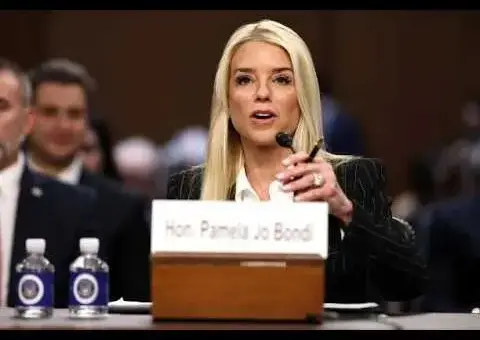
Congressman Dan Goldman discusses the complex situation surrounding Pam Bondi's potential involvement in the Epstein cover-up. He argues that unlike other officials, Bondi's deep knowledge of 'Epstein secrets' and potential leverage over Donald Trump makes her firing unlikely, highlighting concerns about a broader accountability gap in the current political climate.

War Games: How Memes Mask a Catastrophic Iranian Conflict
A critical analysis of the current Iranian conflict, exposing how the Trump administration's use of memes and perceived detachment trivializes the human cost. The piece questions the necessity of the war, highlights geopolitical manipulation, and examines the severe economic impact on American families.

DOJ’s Epstein Document Redaction Fuels Cover-Up Accusations
The DOJ's decision to redact nearly 50,000 Epstein documents, including those with allegations against Donald Trump, has sparked accusations of a cover-up. Critics question the government's transparency and motives, especially given the timing and nature of the withheld information.