SNAP Recipients Sue USDA Over Junk Food Ban
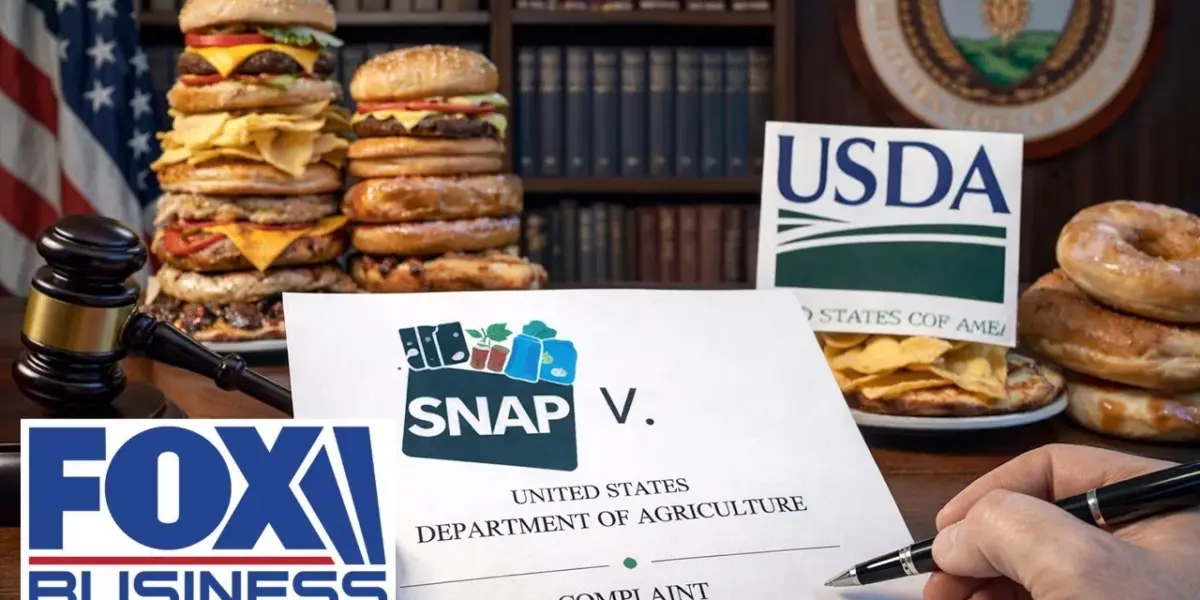
Food stamp recipients are suing the USDA over new restrictions banning junk food purchases with SNAP benefits. The lawsuit challenges the administration's authority and highlights concerns about medical necessity versus government overreach in defining what constitutes essential nutrition.

SNAP Recipients Sue USDA Over Junk Food Ban
A group of food stamp recipients, supported by a legal advocacy group, have filed a lawsuit against the U.S. Department of Agriculture (USDA) challenging new restrictions that prohibit the use of Supplemental Nutrition Assistance Program (SNAP) benefits for purchasing junk food. The policy, implemented by the Trump administration, aims to prevent taxpayer-funded benefits from being used on items such as candy, soda, and energy drinks, sparking a legal battle over the definition and purpose of nutritional assistance.
The Core of the Controversy: Nutrition vs. Choice
The lawsuit centers on the argument that the USDA overstepped its authority by enacting these restrictions. Proponents of the ban, including former Trump administration officials and some commentators, argue that SNAP is intended to provide nutritional support, and therefore, junk food should not be covered. “The old saying is the gold makes the rules. Who was providing the food makes the rules,” stated one commentator, emphasizing that if taxpayers are funding the program, they should have a say in what it covers. “It does not prevent you from buying the stuff; it just means the taxpayer is not going to pay for it.”
The Supplemental Nutrition Assistance Program, as its name suggests, is designed to be a “supplemental nutrition” aid. “It is not free food for everyone. It is supplemental nutrition,” a commentator pointed out. “If you need nutrition, then you need supplemental help in terms of buying that. That is really what this is for.” This perspective suggests that benefits should prioritize essential, nutritious foods over discretionary items.
The Plaintiff’s Argument: Medical Necessity and Procedural Flaws
The specific lawsuit highlights the case of a plaintiff whose daughter has a restrictive food intake disorder. The plaintiff claims that the new restrictions will prevent her daughter from accessing certain safe foods necessary for her health. However, commentators expressed skepticism about the claim, questioning whether energy drinks, soda, and candy would genuinely be considered safe or necessary foods for someone with such a disorder. “I find it difficult to believe that if a person has this kind of disorder that energy drinks, soda and candy would be what you would be feeding them,” one commentator remarked.
Beyond the specific medical claim, the lawsuit also alleges procedural violations. It argues that the USDA did not follow the correct administrative procedures when implementing the ban. The legal challenge points to a passage in the Food Nutrition Act that allows SNAP to develop pilot programs to test changes that would “increase the efficiency of SNAP and improve the delivery of benefits.” The lawsuit contends that disallowing certain foods does neither of these things. Furthermore, it invokes the Administrative Procedure Act, a statute often used in legal challenges against federal agency actions, asserting that the administration lacked the proper authority to enact the ban through the means it did.
Legal Challenges and Broader Implications
The lawsuit was filed by the National Center for Law and Economic Justice, an organization described as a “leftist outlet” focused on expanding the welfare state. Critics of the lawsuit suggest that such organizations aim to make it difficult to reduce government programs. “I just think they’re trying to make it impossible to shrink government,” one commentator stated. “I think all these outfits exist so that you can never shrink it.”
The legal strategy echoes past challenges where the process of changing program rules was scrutinized. Notably, in previous decades, the Department of Agriculture considered and rejected similar efforts to restrict food purchases, partly to avoid backlash from the food industry. The current lawsuit argues that the administration did not have the authority to implement the ban and that changes to dietary guidelines for SNAP participants should follow a more formal legislative or regulatory process.
Potential for Exceptions and the Debate Over Government Overreach
The discussion also touched upon the possibility of exceptions for individuals with documented medical needs. “Should we have exceptions for individual household nutritional medical needs?” a question was posed. While acknowledging the potential need for such exceptions, some remain skeptical about the specific claims made in the lawsuit. The debate also highlights concerns about government overreach, with questions raised about how to prevent future government interventions in personal spending choices, even when taxpayer money is involved.
Another perspective suggested that restricting access to non-essential items could incentivize recipients to work harder to afford those extras, potentially encouraging them to leave the program. “If you make the program very basic and people cannot get these extras… that may incentivize those people that do want the extras to maybe work a little harder and get off the program,” one commentator proposed.
What’s Next?
The lawsuit is expected to proceed through the courts, with a significant focus on the administrative procedures followed by the USDA and the interpretation of the Food Nutrition Act. The outcome could set a precedent for future regulations concerning the use of SNAP benefits and the government’s role in dictating dietary choices for recipients. The legal fight underscores the ongoing tension between ensuring nutritional standards and respecting individual autonomy in how public assistance funds are utilized.
Source: FOOD STAMP FIGHT: SNAP sues USDA for banning junk food (YouTube)

Related Articles
Social Media Giants Found Liable in Landmark Lawsuit
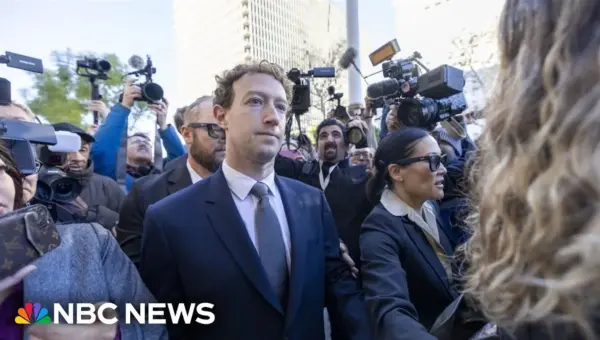
A Los Angeles jury has found Meta and YouTube negligent in their platform designs, marking a historic verdict that could signal the "end of social media as we know it." The ruling holds the tech giants accountable for addicting young users and causing mental health issues, potentially reshaping the industry.
Jury Hits Meta, YouTube With $6B Social Media Addiction Fine
A jury found Meta and YouTube liable for harming young users' mental health, awarding $6 billion in damages. Both tech giants plan to appeal, citing legal protections like Section 230 and Supreme Court precedents that shield platforms from user-generated content liability. The fines are small compared to company profits, but the verdict signals increased legal scrutiny.
Kirk’s Campus Visit Sparks Lawsuit, Free Speech Debate
A leaked video of Turning Point USA CEO Erica Kirk at Arizona State University has triggered a lawsuit and an investigation. Organizers claim Kirk's actions led to their free speech event's cancellation, raising questions about the organization's commitment to open expression.