Smith: AJ Dybantsa is STILL My No. 1 Pick!
Stephen A. Smith remains convinced AJ Dybantsa is the top NBA draft prospect, even after BYU's loss. The discussion also delved into the intense competition for the No. 1 spot and the ongoing debate about scheduling fairness for mid-major college basketball teams.

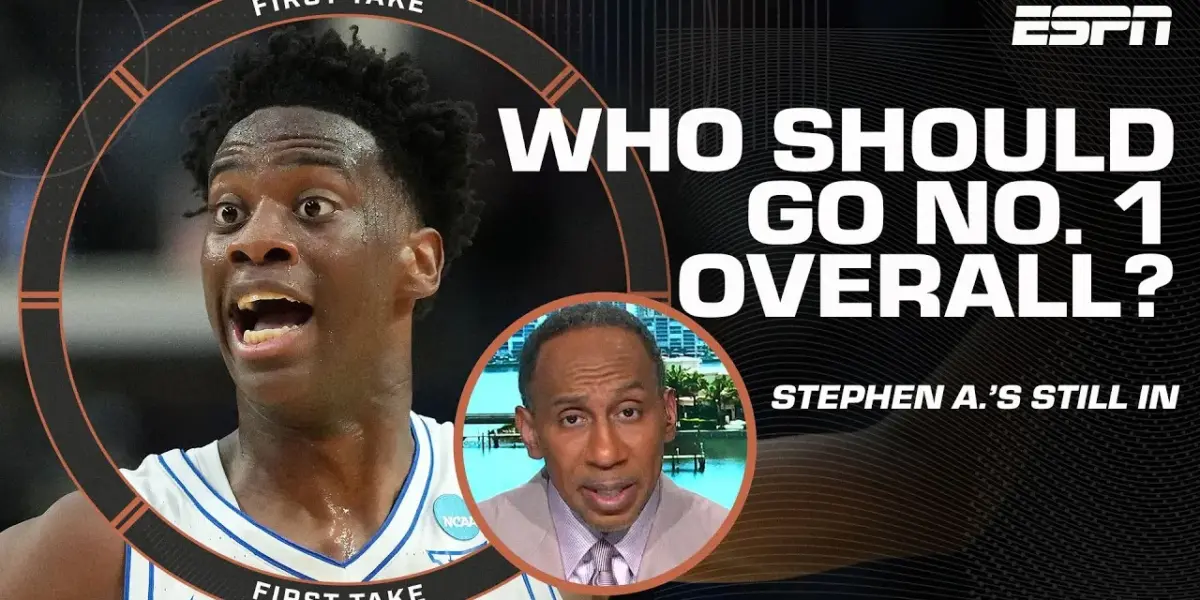
AJ Dybantsa Remains Top Prospect Despite BYU’s Loss
Despite a tough loss for BYU, analyst Stephen A. Smith is standing firm on his belief that AJ Dybantsa is the No. 1 overall pick in the upcoming NBA draft. While acknowledging the term “lock” is dangerous in his profession, Smith made it clear that Dybantsa’s draft stock is not shaken by the team’s performance.
Competition Heats Up for Top Spot
Smith emphasized that Dybantsa’s potential hasn’t changed, but the competition for the top spot is fierce. “He’s not the only guy coming out this year with a sensational resume,” Smith stated, pointing to other elite college talents like Zaccharie Risacher and Alex Sarr who are also vying for top draft positions. This draft class is described as deep and exciting, with many talented players to watch over the coming weeks.
“I can’t teach 6’8″, 6’9″ with that kind of athleticism, with that wingspan, with that ball-handling ability, that scoring ability. I can’t teach that.”
– Stephen A. Smith
Dybantsa’s Strengths Shine Through
Smith highlighted Dybantsa’s physical gifts, calling his size, athleticism, and skill set “untouchable” in terms of what coaches can teach. He also acknowledged that other top prospects like Reed Sheppard and potentially injured players like Bronny James could also be high draft picks if healthy. However, Smith stressed the importance of availability, an area where Dybantsa shines.
One Blemish on Dybantsa’s Record
While praising Dybantsa, Smith did point out one area for improvement: his three-point shooting. “He still got needs to improve his three-point shot. No doubt about that,” Smith said. He also expressed personal disappointment with Dybantsa’s decision to attend BYU, especially after key player Richie Saunders went down with an ACL injury. Smith noted that Dybantsa scored 35 points in a recent game, while the rest of his team managed only 36, highlighting the immense load he carried. BYU’s bench productivity was also ranked very low nationally, at 308th, indicating Dybantsa has been dealing with a lack of support all season.
Dybantsa vs. Dillingham: A Tough Call
The discussion also turned to a comparison between Dybantsa and other standout players like Reed Sheppard, who also had a strong performance. While Sheppard is on a well-coached team in a good system, Dybantsa’s performance was seen as more impressive due to the significant challenges he faced. “Dybantsa has done the last three, four weeks with no help besides Rob has been spectacular,” one analyst noted. Despite Sheppard’s electrifying play, Dybantsa’s ability to perform under extreme duress gave him a slight edge in that particular game.
The Mid-Major Scheduling Debate
A significant portion of the conversation shifted to the challenges faced by mid-major programs in scheduling games against high-major teams. One coach expressed frustration, feeling that high-major teams avoid playing them, fearing a loss that could hurt their tournament seeding. He argued that this lack of opportunity unfairly disadvantages mid-major teams, even when they have successful seasons.
“The m the the majors, they’re going to sit up there and and and and schedule going up against other ma other major programs because like you said, coach, they don’t want to risk a loss to a quad a quad two or three team or something like that.”
– Analyst discussing scheduling
Differing Perspectives on Scheduling
Other analysts countered that high-major teams schedule games in their own best interest, often prioritizing challenging matchups against other top programs to build their resume. They pointed out that teams like Duke and Gonzaga play tough non-conference schedules. The debate touched on the financial aspects of scheduling, the importance of neutral court games, and the NIL era, which adds another layer to program decisions. Ultimately, the consensus was that while the desire for more opportunities for mid-majors is understandable, the current system prioritizes self-interest for all programs.
Smith’s Personal Connection to High Point
Stephen A. Smith shared a personal anecdote about High Point University, revealing his past connection to the area as an editorial assistant for a local newspaper. He expressed surprise at how much the campus has developed, having only known High Point as the “furniture capital of the world.” This personal insight added a unique layer to the discussion about program perception and growth.
The Core of the Scheduling Argument
The core of the mid-major argument, as explained by Smith, is that national platforms and major programs are not giving these smaller schools enough credit. While major teams can afford a few losses, mid-majors face a much higher risk of being left out of the NCAA tournament with even a single misstep. “We’re out here competing, trying to make the most of whatever little opportunities we get to showcase what we do. And there’s very little room for error,” one speaker articulated. This highlights the perceived unfairness in how opportunities and recognition are distributed within college basketball.
Source: Stephen A. is STILL TAKING AJ Dybantsa No. 1 overall after BYU's upset to Texas 🗣️ | First Take (YouTube)

Related Articles


McNamara Takes Orange Helm: ‘We’ll Get Right Guys!’
Gerry McNamara is embracing his new role as Syracuse head coach, aiming to bring energy and the right players back to the program. He draws on his experience turning around Siena and the legendary atmosphere of the Carrier Dome. Former teammate Carmelo Anthony is also a key supporter.

Iowa’s “Fiery Underdog” Reaches Elite 8
Iowa's Ben McCollum, a former D2 champion, has led the Hawkeyes to their first Elite Eight since 1987. Known for his intense coaching style and ability to build resilient teams, McCollum emphasizes relationships and brutal honesty. The team's unexpected success has ignited fan excitement across the state.

Coach K: Iowa’s Ben McCollum’s Coaching Style is ‘REAL!’
Basketball legend Mike Krzyzewski praised Iowa coach Ben McCollum's "real" coaching style on The Pat McAfee Show. Coach K highlighted McCollum's emphasis on trust, honesty, and accountability, calling his approach essential for coaches at all levels.