Smaller Phones Reignite, Fueled by MWC Buzz
A growing energy at MWC suggests a shift in smartphone design towards smaller, more manageable devices. While larger phones still dominate, manufacturers are exploring compact options, potentially heralding a comeback for pocket-friendly tech.

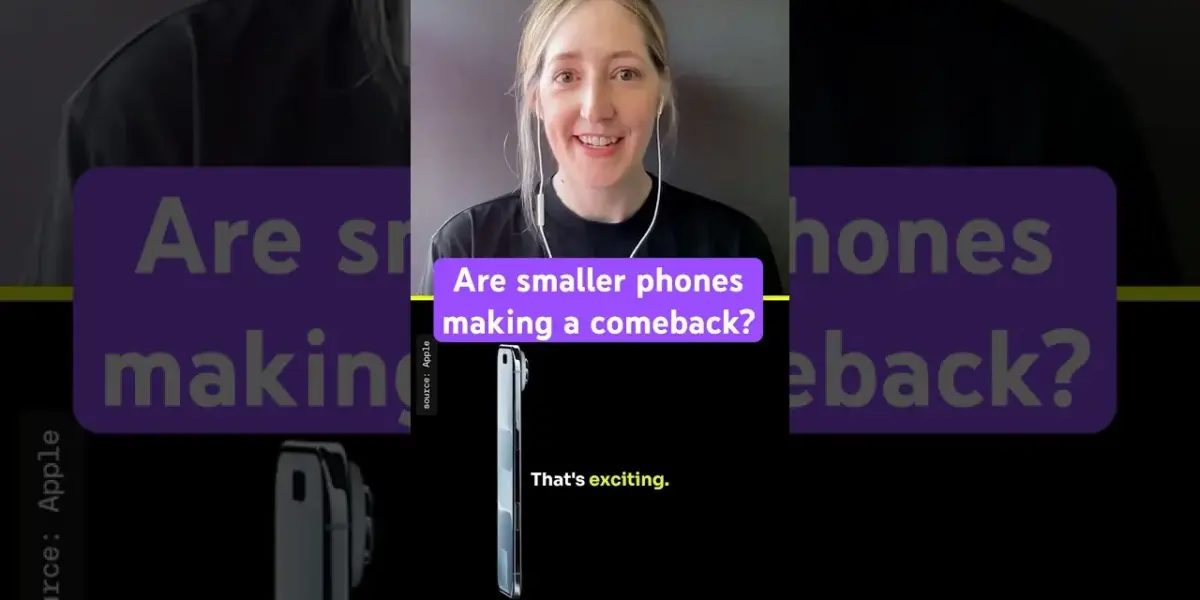
Smaller Phones Reignite, Fueled by MWC Buzz
The smartphone landscape, long dominated by ever-larger displays and increasingly complex feature sets, might be witnessing a subtle yet significant shift. A palpable energy at Mobile World Congress (MWC) this year suggests a growing interest not in pushing the boundaries of raw power or spec wars, but in the surprisingly compelling proposition of making devices more compact. This burgeoning trend, while perhaps not a full-blown revolution, is certainly catching the attention of consumers and manufacturers alike, hinting at a potential comeback for smaller, more manageable smartphones.
For years, the narrative in the smartphone industry has been one of relentless expansion. Bigger screens meant more immersive media consumption, better multitasking, and the space to cram in ever-more advanced camera systems and batteries. However, this pursuit of ‘more’ has also led to devices that can be unwieldy, difficult to use one-handed, and frankly, a burden to carry. The tide may be turning, with a focus shifting towards a more refined, user-centric approach that prioritizes portability and one-handed usability.
The MWC Spark
This year’s MWC served as a significant indicator of this potential shift. While the exact number of truly compact devices on display might not have been overwhelming, the *discussion* and the *interest* surrounding smaller form factors were notably present. It’s a sentiment that resonates with a segment of the market that has felt underserved by the prevailing trend of ‘bigger is better’. The idea that manufacturers are actively exploring and, in some cases, even experimenting with smaller designs is a refreshing development.
Apple’s Quiet Influence
While not directly showcased at MWC, Apple’s approach with its smaller iPhone models has undeniably paved the way. The company, known for its meticulous product strategy, has historically offered more compact options, even if they sometimes felt like niche offerings or ‘science projects’ to some observers. However, the very existence of these devices, and their continued presence in Apple’s lineup, grants a certain ‘permission’ for other manufacturers to explore similar territory without appearing entirely out of step with the market.
The perception of these smaller iPhones as ‘science projects’ highlights a critical point: innovation in a smaller package is inherently more challenging. It requires clever engineering to balance battery life, screen real estate, and essential features within a reduced footprint. Yet, it’s precisely this challenge that could drive exciting new innovations, forcing designers and engineers to think outside the box.
Who Should Care?
The resurgence of interest in smaller phones is primarily for the pragmatic user. Those who value one-handed operation for quick tasks like replying to messages, checking notifications, or navigating maps will find this trend particularly appealing. It’s also a boon for individuals with smaller hands, or those who simply prefer a device that doesn’t dominate their pocket or bag. The ease of use and comfortable grip offered by a smaller phone can significantly enhance the daily user experience.
Furthermore, this trend could appeal to a more minimalist consumer, someone looking for a device that is powerful enough for essential tasks but doesn’t come with the bulk and potential distractions of a larger, more feature-rich flagship. It’s about finding the right balance between functionality and form factor, a sweet spot that many have been missing.
Looking Ahead: What to Expect
While MWC might have signaled a shift in *interest*, the market is still in the early stages of this potential resurgence. It’s unlikely that we’ll see a complete abandonment of larger devices, as they cater to a significant portion of the market. Instead, expect a more diversified offering. Manufacturers may begin to strategically position smaller, more focused devices alongside their larger flagships, catering to different user needs and preferences.
The success of this trend will hinge on manufacturers’ ability to deliver compelling devices that don’t compromise too heavily on essential features like battery life and camera performance. If companies can successfully innovate within the constraints of a smaller form factor, we could see a sustained period where choice in smartphone size is not just an afterthought, but a core part of the product strategy.
The conversation has started, and the energy is palpable. Whether this translates into a flood of new compact devices remains to be seen, but for those who have been yearning for a return to smaller, more manageable smartphones, the signs are increasingly encouraging.
Specs & Key Features
While specific devices and their specifications were not detailed in the transcript, the discussion points towards a focus on:
- Compact form factor
- One-handed usability
- Reduced overall dimensions
- Potential for innovative engineering within size constraints
- Balancing essential features (battery, camera) within a smaller build
Competitor Landscape
The current market is largely dominated by devices with screen sizes typically ranging from 6 inches upwards. While some manufacturers offer slightly smaller ‘mini’ versions of their flagship lines, these have become increasingly rare. Apple’s iPhone SE and its smaller iPhone models have historically been the most prominent examples of compact flagships or near-flagships. The potential resurgence discussed at MWC suggests other Android manufacturers may be looking to fill this gap more actively.
Availability and Pricing
No specific details regarding availability or pricing for new compact devices were mentioned in the transcript. However, any new entrants into this space would need to be competitively priced and readily available to gain traction.
Source: Are smaller phones making a comeback? #Vergecast (YouTube)

Related Articles

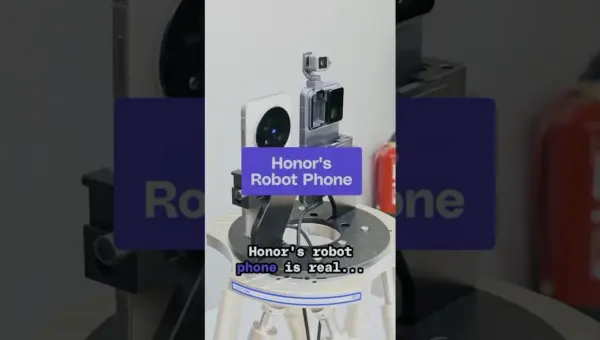
Honor’s Robot Phone: Gimbal Magic Meets AI Charm
Honor's innovative 'robot phone' combines a 200MP camera with a groundbreaking gimbal system for unparalleled video stabilization and AI subject tracking. While its 'robot' features are currently more charming than functional, the device promises a new era for mobile videography. Pricing and global availability remain key questions.

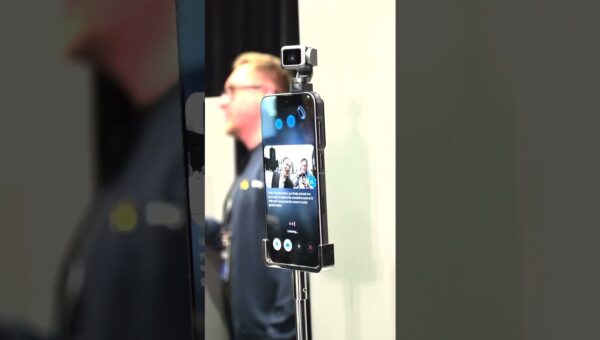
Honor’s ‘Robot Phone’ Adds a Gimbal Arm
Honor's 'Robot Phone' made waves at MWC with its integrated gimbal-stabilized camera arm and 200MP sensor. This innovative device aims to redefine mobile videography with advanced AI tracking and dynamic shooting capabilities.


Motorola’s Remarkable Comeback: From Mobile Pioneer to Tech Giant
Motorola, once a dominant force in mobile, has staged a remarkable comeback. The company now thrives as a leader in public safety communications through Motorola Solutions, while its smartphone division, Motorola Mobility, is also experiencing significant growth and innovation.