Slovenia Election: A Nation’s Choice with EU Impact
Slovenia is holding a pivotal parliamentary election on March 22nd, with voters choosing between Prime Minister Robert Golob's liberal coalition and the conservative Slovenian Democratic Party led by Janusz Yansha. The outcome could significantly influence Slovenia's domestic policies and its role within the European Union.

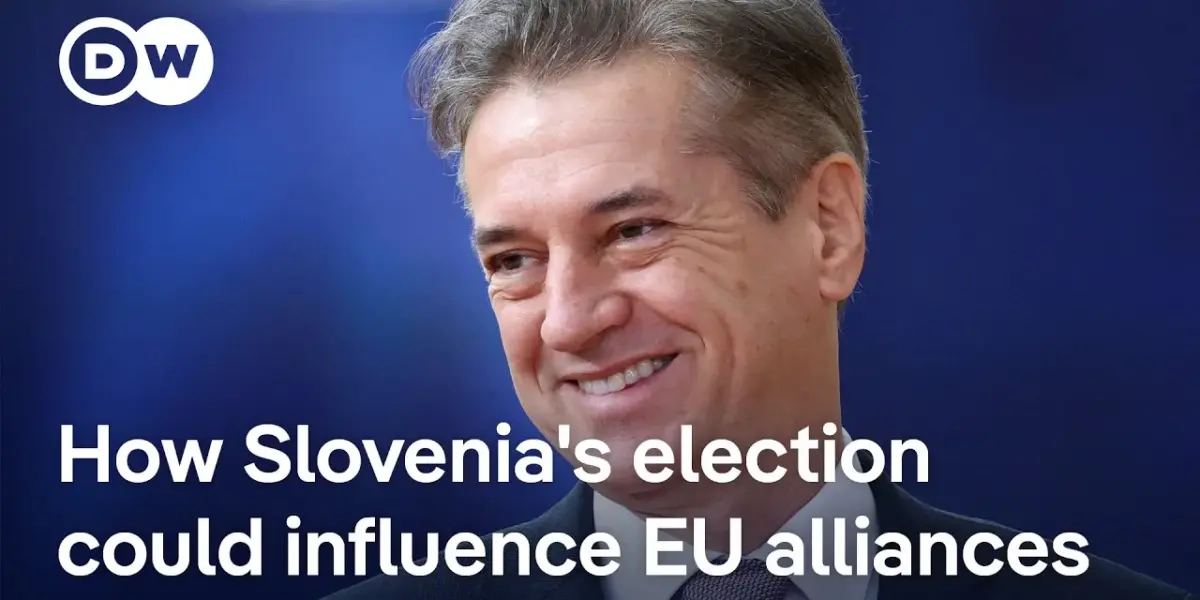
Slovenia Heads to Polls in Crucial Election
Slovenia, a Central European nation of about 2 million people, is set to elect a new parliament on March 22nd. This election holds significance not just for the country’s future but also for its role within the European Union and NATO. Voters will decide who leads Slovenia for the next four years, potentially shifting the country’s political direction and its influence on the continent.
Key Players: Galob vs. Yansha
The election features a tight race between two main political forces. The current liberal government is led by Prime Minister Robert Golob and his Freedom Movement Party (GS). Golob’s administration has been in power since 2022.
Challenging Golob is the Conservative Slovenian Democratic Party (SDS), headed by Janusz Yansha. Yansha is a prominent and often controversial figure in Slovenian politics, having served as prime minister three times before. His supporters view him as a strong leader focused on national sovereignty. However, critics often compare his political style to that of leaders like Hungary’s Viktor Orban, noting his approaches to media and political opponents.
Divergent Views on Major Global Issues
The two leading parties, Golob’s GS and Yansha’s SDS, hold notably different stances on key international issues, particularly concerning the conflicts in Gaza and Ukraine.
Prime Minister Golob’s government has taken a pro-Palestinian position regarding the conflict in the Middle East. This stance is partly influenced by left-leaning public opinion, especially in urban areas, which has shown strong support for the Palestinian cause, similar to trends seen in Spain and Ireland.
In contrast, Yansha offers a completely different perspective. He is a strong supporter of Israel and has established a relationship with Israeli Prime Minister Benjamin Netanyahu. This sharp difference in approach to the Gaza conflict highlights a significant divide between the two main political blocs.
When it comes to Ukraine, the positions are more aligned, with both the Slovenian left and right offering strong support to the nation. However, some differences emerge regarding the best way to handle Russia and potential negotiations to end the war. Despite these nuances, the conflicts in Gaza and the influence of figures like Donald Trump remain major points of contention where the two parties are in starkly different positions.
A Close Race with Uncertain Outcomes
As the election approaches, polling data presents a mixed picture. Some surveys suggest a comfortable lead for Yansha’s SDS, while others predict a victory for Golob’s GS. Experts, however, believe the election is too close to call, indicating a highly competitive race.
Even if the SDS emerges as the leading party, forming a government could prove challenging. Several other parties have stated they are unwilling to enter into a coalition with Yansha, potentially leading to political deadlock.
Scandals and Public Opinion
Recent years have seen several scandals involving Prime Minister Golob’s government. These include accusations of corruption and a controversial law criticized for potentially targeting Roma communities. These issues appear to have boosted support for Yansha’s SDS.
Slovenia’s Role in the EU
Every EU member state holds a seat on the European Council, a crucial body where national leaders decide on major policies like sanctions, migration, and security. Some decisions require unanimous agreement from all members.
Experts suggest that Yansha’s potential return to power could lead Slovenia to align more closely with leaders like Hungary’s Viktor Orban. This shift could potentially alter political alliances and decision-making dynamics within the EU. Even a small country like Slovenia, with its 2 million citizens, can significantly influence the direction of the entire 27-member bloc.
Voter Perspectives
Voters express a desire for balance in leadership. One voter shared, “I don’t want somebody who doesn’t respect like the basic human rights and I think environmental issues are very important but also that you don’t do everything so extremely that you hurt the economy too much.” This sentiment highlights a wish for a government that can manage economic and environmental concerns without causing undue harm.
Another voter emphasized national identity and local focus: “For me, I think it’s also important that yes, we stay true to our roots, that Slovenia will still stay Slovenian. And also one thing that is important to me is that we focus on decentralization of like Slovenia like that also countryside is important and that we focus on like the farmers so that we could have our local food and that we don’t import so many foods.” This view underscores a desire to preserve Slovenian culture and support local agriculture and rural communities.
Looking Ahead
While this election primarily focuses on Slovenia’s domestic path for the next four years, its outcome will undoubtedly resonate across Europe. The decisions made by Slovenian voters could impact EU policies on critical issues, demonstrating how even smaller nations play a vital role in shaping the continent’s political landscape. The coming days will reveal whether Slovenia leans towards continuity or a significant political shift, with implications reaching far beyond its borders.
Source: Slovenia elects a new parliament on March 22: What's at stake? | DW News (YouTube)

Related Articles
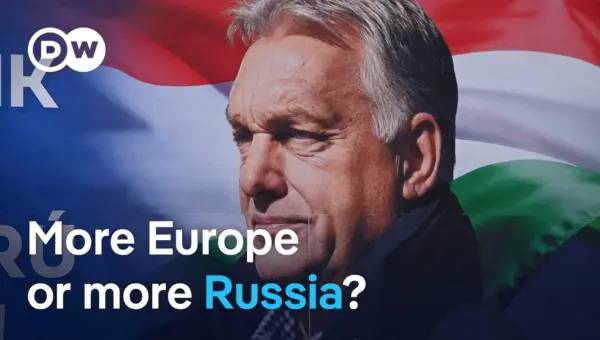
Hungary Divided: Orban Faces Strong Opposition in Key Election
Hungary is facing a pivotal election pitting incumbent Prime Minister Viktor Orban against opposition leader Peter Magyar. The vote will determine if the nation continues its Russia-aligned path or returns to democratic European values amidst deep societal divisions and economic concerns.
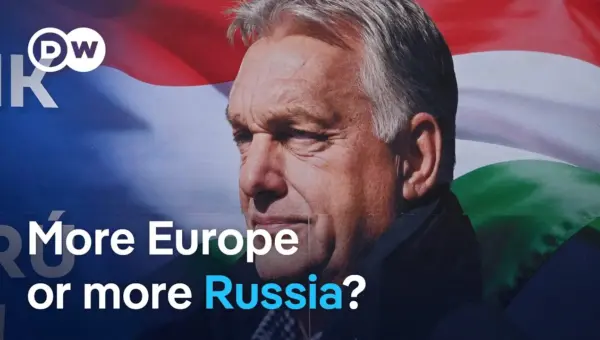
Hungary Faces Crossroads: EU Ties or Russian Alignment?
Hungary is facing a crucial election that will decide its future alignment with the EU or Russia. Growing public discontent over corruption and economic issues has propelled opposition leader Péter Magyar to prominence, promising democratic reforms. The nation's choice will significantly impact its role in Europe and its internal governance.
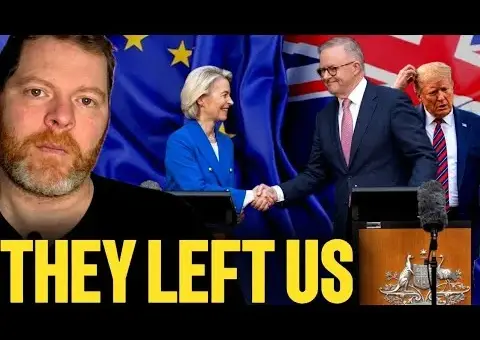
Global Alliances Shift as EU Courts Australia
Australia and the EU have signed a new trade and defense pact, excluding the United States. This move comes as Australia faces severe fuel shortages due to global tensions, highlighting a growing distrust of American leadership. The deal boosts EU access to critical minerals and Australian beef, while the U.S. grapples with economic decline and international isolation.