Slovak Leader Faces Accusations of Misinformation on Ukraine
Slovak Prime Minister Robert Fico is accused of misrepresenting the economic impact of sanctions against Russia. Critics argue his statements blame Ukraine for the EU's energy policy shift, ignoring Russia's aggression as the root cause. Calls for an independent assessment of energy infrastructure are growing.

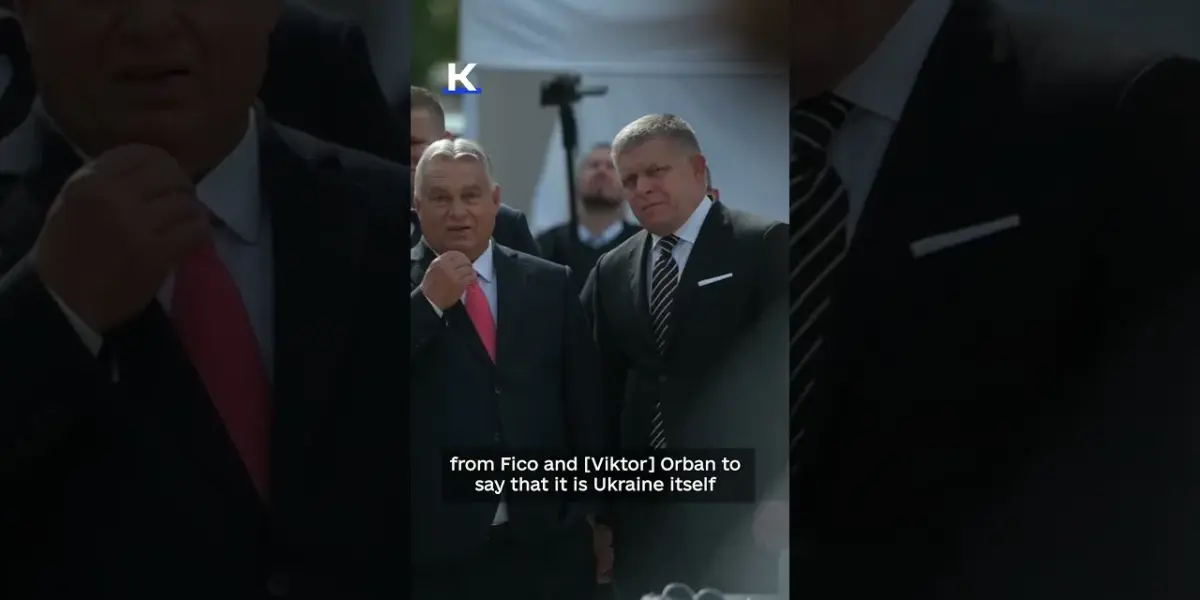
Slovak Prime Minister Robert Fico is accused of misleading the public regarding the economic impact of sanctions against Russia and the war in Ukraine.
Fico has stated that Ukraine, not Russia’s aggression, is responsible for the European Union’s decision to halt oil and gas imports from Russia. This assertion has been called “ridiculous” by critics who argue it misrepresents the situation and the reasons behind the EU’s energy policy shift.
The core issue, according to defense analysts and European officials, is the significant economic fallout Slovakia is experiencing as a direct result of Russia’s actions in Ukraine. These economic consequences are seen as a direct outcome of the ongoing conflict and the subsequent international response. By shifting blame to Ukraine, Fico is seen as downplaying the severity of the economic situation and its true origins.
EU Sanctions and Economic Fallout
The European Union implemented sanctions, including restrictions on Russian oil and gas, as a measure to weaken Russia’s ability to fund its military operations. Critics argue that Fico’s narrative ignores the fundamental cause: Russia’s aggression. The economic repercussions felt in Slovakia are presented not as an accidental byproduct, but as a predictable consequence of international efforts to counter Russian aggression. This perspective suggests that acknowledging the economic costs is necessary for a clear understanding of the situation.
Calls for Independent Assessment
There are calls for an independent European fact-finding mission to assess the actual state of oil infrastructure. Such a mission, involving technical experts, could provide an objective evaluation on the ground. Proponents believe this would help to deescalate a situation that has become highly politicized. By presenting factual evidence, it could counter what are described as politically motivated narratives from leaders like Fico and Hungarian Prime Minister Viktor Orbán.
Ukrainian President Volodymyr Zelenskyy’s administration is actively seeking ways to limit Russia’s financial capacity to continue the war. This includes exploring all available instruments to disrupt Russian funding streams. The proposed fact-finding mission is seen as a potential step to clarify the physical damage to energy infrastructure, separating it from political rhetoric. It aims to provide a clearer picture of the technical realities rather than relying on politically charged statements.
Strategic Implications
The debate surrounding sanctions and their economic impact highlights a broader challenge within the European Union. Differing national perspectives on the war in Ukraine and the best approach to dealing with Russia can strain unity. Fico’s stance, echoing similar sentiments from Orbán, suggests a potential divergence in how EU member states are interpreting the conflict’s causes and consequences. This can complicate the bloc’s ability to maintain a cohesive foreign policy and energy strategy towards Russia.
Furthermore, the emphasis on economic consequences, while real, can be used to undermine support for Ukraine and the sanctions regime. By focusing solely on the economic costs without fully acknowledging the underlying aggression, leaders can create a narrative that prioritizes national economic interests over broader geopolitical security concerns. This approach risks weakening the international resolve to counter Russian expansionism.
Historical Parallels
Historically, economic interdependence has often been a complex factor in international conflicts. Nations may face difficult choices between economic stability and geopolitical solidarity. The current situation echoes past instances where the economic costs of international sanctions or military actions have led to domestic political debates and pressure on governments to alter their foreign policy stances. However, in such cases, the long-term strategic objectives often outweigh short-term economic pain.
The challenge for leaders is to balance the immediate economic realities with the strategic necessity of addressing aggression. The current debate in Slovakia and Hungary underscores the difficulty in maintaining a unified front when faced with significant economic pressures. The outcome of these internal political discussions could have implications for the future of EU energy policy and its unified stance against Russian aggression.
Source: Slovak leader Fico ‘misleading public’ on Ukraine, Russia sanctions (YouTube)

Related Articles
Russia Bans Gas Exports Amid Refining Woes
Russia has banned gasoline exports, a move driven by Ukrainian drone attacks on its refineries and logistical issues. This forces Russia to prioritize domestic supply, preventing it from fully capitalizing on high global oil prices and impacting its revenue.
North Sea Drilling Debate: Jobs vs. Climate
A debate rages over new North Sea oil and gas fields, pitting economic benefits and jobs against urgent climate action. Labour MP Henry Tuffnel argues for domestic production citing jobs and security, while climate expert Tom Burke calls for a faster shift to renewables. Energy Secretary Ed Milliband faces mounting pressure to decide the fate of the Rosebank and Jack fields.
Ukraine Unit Fights Back Against ‘Meat Assault’ Claims
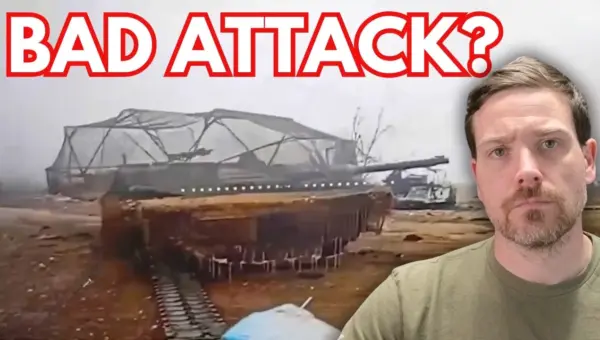
A Ukrainian unit, the 425th Scola, is refuting Russian claims of a failed 'meat assault' near Pokrovsk. The unit says the allegations rely on manipulated Russian footage and that their operation was successful, despite drone attacks. Meanwhile, Ukraine continues deep strikes on Russian infrastructure, impacting oil exports.