Six U.S. Service Members Dead Amid Escalating Iran Tensions
Six U.S. service members have died amid escalating tensions with Iran, with recent attacks contributing to the rising casualty count. Iran has also reportedly closed the vital Strait of Hormuz, a move that threatens global shipping and energy security.


Six U.S. Service Members Dead Amid Escalating Iran Tensions
In a rapidly unfolding situation, a total of six United States service members have lost their lives since the commencement of U.S. operations related to Iran, with the latest deaths confirmed following an attack that emerged late today. This brings the total casualties to six, a grim figure that underscores the heightened tensions in the region. President Donald Trump has not dismissed the possibility of deploying U.S. troops on the ground in Iran, indicating a potential for further escalation.
New Developments Emerge in Gulf of Oman
Recent developments include the release of new video footage showing an Iranian ship being destroyed in the Gulf of Oman. U.S. Central Command (CENTCOM) stated that this vessel was one of eleven ships that have been neutralized in the strategic waterway. The destruction of these vessels signifies a significant operational success for U.S. forces and a major setback for Iranian maritime capabilities in the region.
Strategic Strait of Hormuz Closed by Iran
Adding to the gravity of the situation, Iran has reportedly closed off the Strait of Hormuz, a critical chokepoint for global oil and shipping traffic. This vital waterway is responsible for the transit of a significant portion of the world’s oil supply, and its closure by Iran poses a substantial threat to international trade and energy security. The move is seen as a direct challenge to international maritime law and a significant escalation of Iran’s assertive stance.
Broader Implications and Regional Instability
The escalating conflict and the loss of American lives highlight the precarious state of U.S.-Iran relations, which have been particularly strained following various geopolitical events. The operations in the Gulf of Oman and the subsequent Iranian response, including the closure of the Strait of Hormuz, suggest a deliberate and coordinated effort by Iran to disrupt global commerce and assert its influence in the region. The potential for direct U.S. military intervention, as hinted by President Trump, raises concerns about a wider regional conflict that could destabilize the Middle East and have far-reaching global economic consequences.
U.S. Response and Future Outlook
The U.S. military’s actions, including the destruction of eleven Iranian vessels, demonstrate a firm resolve to counter perceived threats and maintain freedom of navigation in international waters. However, the increasing casualties among American service members raise serious questions about the long-term strategy and the potential costs of continued engagement. As the situation develops, international bodies and global powers will be closely watching the responses from both the United States and Iran, as well as the impact of these events on global energy markets and regional stability. The coming days will be critical in determining whether diplomatic channels can be effectively utilized to de-escalate the situation or if further military actions will ensue.
Source: 6 U.S. service members killed since Iran mission start (YouTube)

Related Articles

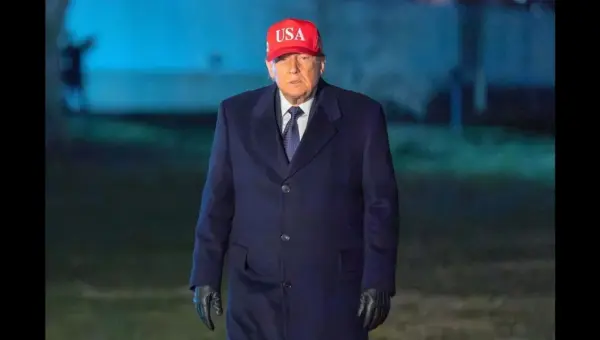
Trump’s Iran Gambit Backfires, Exposing Hypocrisy
Donald Trump's recent military actions against Iran have ignited controversy, exposing a stark hypocrisy in Republican responses to American casualties and a betrayal of his own anti-war promises. The piece delves into the legal questions surrounding executive war-making and the erosion of public trust.


Hayes Slams Trump’s Iran War Plans as ‘Morally Reprehensible’
MS NOW host Chris Hayes has strongly condemned potential U.S. military action against Iran, labeling it 'morally reprehensible' and illegal. Hayes argued that such a conflict would violate both the U.S. Constitution and international law. His statements highlight ethical concerns and the potential for widespread suffering, urging that these issues must be openly discussed.


Massie: Iran Strike Won’t Bury Epstein Files, Calls for Trump Deposition
GOP Rep. Thomas Massie argues that military actions in Iran are a distraction from the Jeffrey Epstein investigation, calling for Donald Trump's deposition. Bill Clinton's testimony offers a new perspective on Trump's past relationship with Epstein, potentially contradicting Trump's own accounts.