Silicon Carbon Batteries: The Future or a Fleeting Fad?
Silicon carbon batteries promise higher energy density, but major manufacturers are hesitant. This article explores the technology's potential, the risks of swelling and longevity, and market dynamics influencing its adoption.

The Next Leap in Battery Tech: Silicon Carbon or a Risky Gamble?
The smartphone battery landscape is on the cusp of a revolution, with silicon carbon battery technology promising significantly higher energy density. While early adopters are showcasing phones with massive batteries in impossibly thin designs, major players like Apple, Samsung, and Google are conspicuously absent from the silicon carbon race. The question on everyone’s mind: is this the future of mobile power, or are these tech giants wisely avoiding a potential pitfall?
Unpacking the Silicon Carbon Advantage
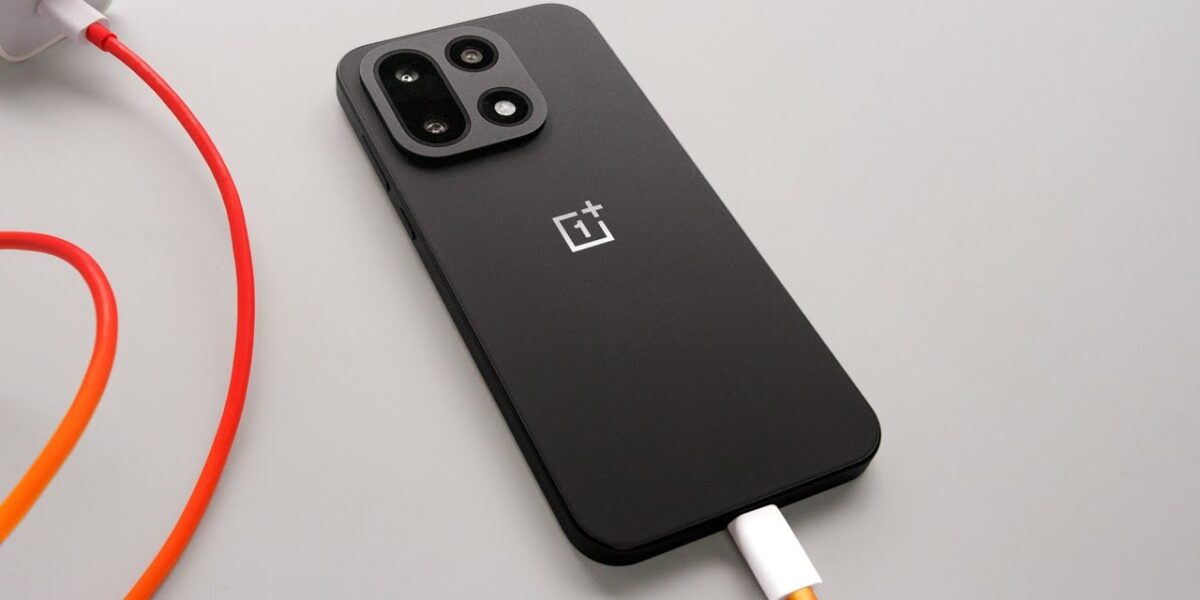
At its core, silicon carbon battery technology swaps out traditional graphite anodes for silicon. Silicon boasts a theoretical capacity to hold significantly more energy than graphite, potentially leading to batteries that are smaller, lighter, or offer substantially more power within the same physical footprint. This has already manifested in devices like the Honor Power 2, which boasts a 10,000 mAh battery in a form factor thinner than an iPhone 17 Pro Max (which sports a 5,000 mAh battery). We’ve seen glimpses of this potential in devices like the OnePlus flagship, which jumped from 5,400 mAh to 6,000 mAh and later 7,300 mAh using silicon carbon technology.
Why the Hesitation from Giants?
Despite the obvious benefits, the silence from smartphone behemoths like Apple, Samsung, and Google regarding silicon carbon batteries is deafening. Several theories have emerged, including the initial challenges in scaling production to meet the immense demand of these companies. However, this explanation falters when considering that other massive manufacturers like Xiaomi, Realme, Honor, Oppo, and Huawei are actively integrating silicon carbon into their flagship lines and shipping in high volumes.
The more compelling, albeit concerning, reason appears to stem from inherent issues with the technology itself, primarily concerning swelling and longevity. Unlike traditional lithium-ion batteries, the silicon component in silicon carbon batteries can expand dramatically – up to three times its original volume – when absorbing lithium ions during charging. This repeated expansion and contraction, akin to a sponge tripling in size when wet, places immense mechanical stress on the battery components.
The Swelling and Cracking Conundrum
Engineers are working to mitigate these stresses by using finely ground silicon and incorporating carbon to absorb the expansion. However, pushing the silicon content higher for greater energy density also pushes the limits of this mitigation. Reports suggest that some devices have resorted to extreme measures, such as encasing batteries in literal steel cages to prevent swelling. The repeated stress can lead to internal cracking, and in the worst-case scenario, thermal runaway – a dangerous situation where a battery overheats uncontrollably.
While manufacturers conduct rigorous testing, often aiming for over a thousand charge cycles with 80% capacity retention, real-world battery performance is subject to far more variables. Environmental factors like extreme temperatures, humidity, pressure changes, and physical impacts can exacerbate the stresses inherent in silicon carbon designs. Even with an error rate as low as one in 250,000, at the scale of tens of millions of devices produced by Apple or Samsung, this could still translate to a significant number of failures, potentially echoing the infamous Samsung Galaxy Note 7 incidents.
Market Dynamics and Risk Aversion
This leads to a crucial point: market strategy. Companies like Apple, Samsung, and Google, with a significant presence in markets like the US, operate in environments where brand loyalty and ecosystem lock-in (e.g., iMessage) can outweigh hardware advancements. If consumers aren’t actively demanding or switching phones based on battery technology, these companies have little incentive to adopt a potentially riskier, albeit more advanced, technology prematurely.
Conversely, in markets where hardware competition is fiercer and consumers are more willing to switch based on tangible benefits like significantly longer battery life, manufacturers are more inclined to embrace emerging technologies like silicon carbon. The potential for a 40% larger battery in a comparable device can be a powerful differentiator.
The Verdict: Proceed with Caution
As of today, silicon carbon batteries remain a bleeding-edge technology. While they offer an exciting glimpse into the future of mobile power, providing greater capacity in thinner designs, the long-term implications of swelling and longevity are still being understood. For now, traditional lithium-ion batteries represent the safe, proven bet.
The first silicon carbon batteries appeared roughly three years ago, but widespread adoption has accelerated only in the past year. It will be fascinating to observe how these devices age and whether the initial promise of silicon carbon can overcome its inherent challenges. As more real-world data becomes available in the coming years, we’ll gain a clearer picture of whether this technology is truly the future, or a spectacular, but ultimately fleeting, innovation.
Specs & Key Features
- Technology: Silicon Carbon Batteries
- Key Benefit: Higher energy density, enabling larger capacities in smaller/thinner form factors.
- Example Devices Mentioned: Honor Power 2 (10,000 mAh), iPhone 17 Pro Max (approx. 5,000 mAh), OnePlus Flagship (historically 5,400 mAh to 7,300 mAh).
- Primary Concern: Swelling and longevity due to silicon’s expansion during charging cycles.
- Potential Mitigation: Finely ground silicon, carbon additives, structural reinforcement (e.g., steel cages).
- Companies Utilizing: Xiaomi, Realme, Honor, Oppo, Huawei (among others).
- Companies Hesitating: Apple, Samsung, Google.
Source: The Problem with these Smartphone Batteries (YouTube)

Related Articles

Honor Magic V6: Thinnest Foldable With Massive Battery
Honor's new Magic V6 foldable pushes boundaries by integrating the largest battery in a foldable phone within its incredibly slim 8.75mm design. Featuring advanced silicon-carbon battery tech and IP68/IP69 ratings, it promises extended battery life and enhanced durability.


Linux Desktop Dominance? The WAN Show Weighs In
The WAN Show dives into the persistent challenge of Linux adoption on the desktop. While significant strides have been made in usability and software, hurdles like professional application support and gaming compatibility remain key discussion points for its future mainstream success.


Samsung’s Galaxy S26 Ultra Privacy Display Unveiled
Samsung's upcoming Galaxy S26 Ultra may feature an innovative 'Privacy Display' technology, using dual-pixel technology to limit viewing angles. With extensive software controls for activation, this feature promises enhanced security for sensitive data on the go.