Silent Diplomacy, Stark Realities: Ukraine Battles on Multiple Fronts as Peace Talks Simmer and War’s Shadow Deepens
Ukrainian officials navigate complex trilateral negotiations for a "just and sustainable peace" while grappling with relentless Russian strikes, urgent civilian evacuations, and the ethical dilemmas of international sports. Meanwhile, Russian propaganda intensifies, even as cross-border attacks bring the war's harsh realities home.

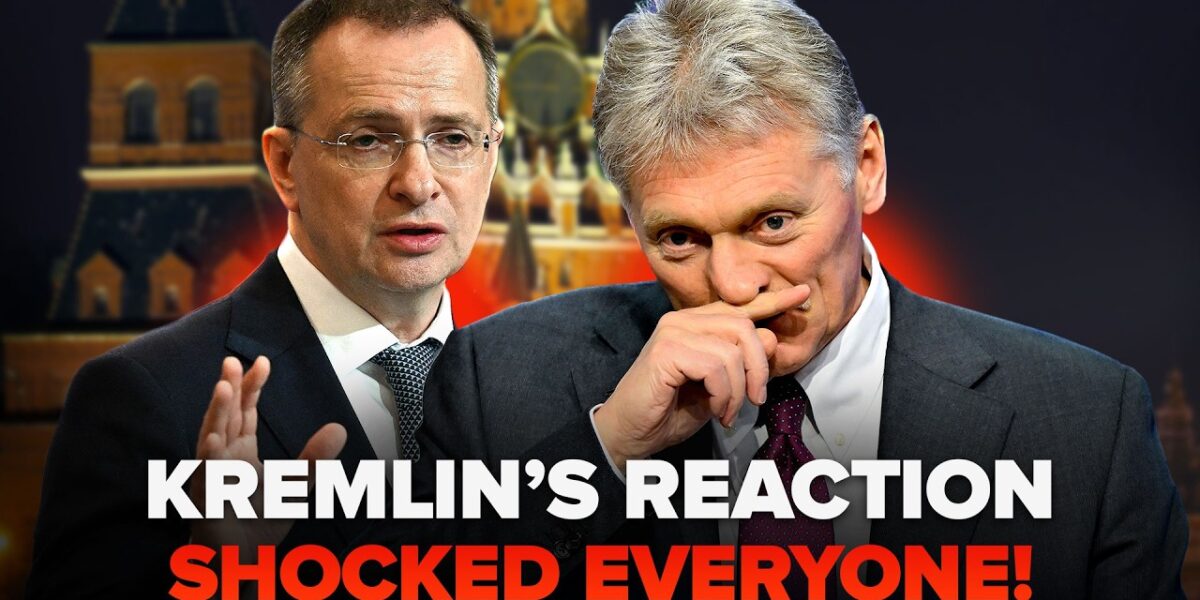
Silent Diplomacy, Stark Realities: Ukraine Battles on Multiple Fronts as Peace Talks Simmer and War’s Shadow Deepens
As the conflict in Ukraine grinds on, the nation finds itself engaged in a multifaceted struggle that extends far beyond the conventional battlefield. From the delicate dance of international diplomacy to the harrowing realities of civilian life under constant bombardment, and from the ethical quagmire of global sports to the insidious spread of propaganda, Ukraine is navigating an intricate web of challenges. Recent developments underscore this complex reality, revealing a landscape where the pursuit of peace, the struggle for survival, and the fight for narrative dominance are inextricably linked.
The Elusive Pursuit of Peace: Geneva Talks and Kremlin Silence
Recent trilateral negotiations in Geneva, involving Ukraine, the United States, and Russia, have once again brought the prospect of a diplomatic resolution to the forefront, albeit shrouded in the Kremlin’s characteristic silence. While Ukrainian officials offered a glimpse into the substantive discussions, Moscow maintained its traditional reticence, a stance exemplified by Presidential Press Secretary Dmitry Peskov’s visibly flustered reaction when pressed on the topic.
Asked about the ongoing talks, Peskov reportedly responded, "Wait, a delegation has not yet arrived. It is too early to ask such questions." This seemingly dismissive reply, coupled with the Kremlin’s broader lack of transparency regarding diplomatic overtures, highlights the deep chasm that separates the two warring nations not just on policy, but on communication itself. For many observers, Peskov’s reaction underscored a potential discomfort within the Russian leadership regarding public discourse on negotiations, perhaps fearing it could be perceived as a sign of weakness or a deviation from their maximalist objectives.
Following the closed-door meetings, a Ukrainian delegation provided a brief but insightful statement. "Today we had another round of trilateral negotiations in the Ukraine-US-Russia format," a representative stated. "The discussions were intensive and substantive. We thank our US partners for ensuring that the process is not stopping and continues and Swiss side for hosting us and hospitality." The involvement of the United States in this trilateral format is particularly noteworthy, signaling Washington’s continued commitment to facilitating a diplomatic path and providing a crucial counterweight in discussions with Moscow. Switzerland, a traditionally neutral nation, once again served as a vital host, offering a secure and impartial venue for these sensitive talks.
The delegation emphasized that both political and military tracks were engaged, with discussions revolving around "security parameters and mechanisms for implementing possible decisions." While acknowledging "progress," the statement was careful to note that "no details can be disclosed at this stage," and that a "number of issues were clarified while others remain under additional coordination." This delicate phrasing reflects the immense complexities inherent in any peace process during an active conflict, where every word and concession carries significant weight.
The immediate goal, according to the Ukrainian side, is to "achieve the necessary level of consensus to submit the developed decisions for consideration by the presidents." This indicates that while progress is being made at the technical level, the ultimate decisions rest with the highest echelons of leadership in Kyiv and Moscow – a formidable hurdle given the profound disagreements that have fueled the conflict. Ukraine’s commitment to a "practical not merely formal foundation" for peace underscores its desire for tangible, implementable solutions rather than superficial agreements. The ultimate objective, they reiterated, remains "a just and sustainable peace."
This pursuit of a "just and sustainable peace" is a core tenet of Ukraine’s diplomatic strategy. It implies not merely a cessation of hostilities but a resolution that addresses the root causes of the conflict, respects Ukraine’s sovereignty and territorial integrity, and ensures long-term security. This contrasts sharply with Russia’s often-stated objectives, which have evolved but consistently involve demands for Ukrainian neutrality, demilitarization, and recognition of annexed territories – terms largely unacceptable to Kyiv.
Rejecting Historical Pretexts: Ukraine’s Focused Stance
Adding another layer to Ukraine’s diplomatic approach, a representative identified as Demerinski shared insights into the Ukrainian delegation’s clear instructions. He underscored Ukraine’s refusal to be sidetracked by what it perceives as spurious historical arguments often invoked by Russian President Vladimir Putin to justify the invasion.
"I don’t need to waste time on historic issues, reasons why he began all this," Demerinski asserted, dismissing Putin’s "so-called historical arguments" as irrelevant to the immediate task of ending the war. This firm stance reflects Ukraine’s position that the current conflict is an act of unprovoked aggression, not a historical reclamation or a response to perceived grievances from centuries past. By focusing on the present and the future, Ukraine aims to keep negotiations grounded in practical solutions for peace rather than allowing them to become forums for historical revisionism.
The rejection of historical pretexts is a deliberate tactical choice. Putin has frequently invoked historical narratives concerning Peter the Great, the Russian Empire, and the historical ties between Russia and Ukraine to legitimize his actions. For Ukraine, engaging in such debates would be to concede ground to a false narrative, diverting attention from the immediate humanitarian crisis and the ongoing violation of international law. Ukraine’s delegation, therefore, remains steadfastly focused on the urgent task of achieving a diplomatic resolution that ends the war and restores its territorial integrity, free from historical distractions.
The Olympic Conundrum: Zelenskyy’s Criticism of Russian Participation
Beyond the diplomatic and military fronts, Ukraine is also engaged in a significant battle on the cultural and sporting stage. President Volodymyr Zelenskyy has been a vocal critic of the International Olympic Committee (IOC) for allowing Russian athletes to participate in the Olympic Games, citing the large number of Russian nationals competing under various guises.
Zelenskyy’s strong condemnation highlights a profound ethical dilemma facing international sports organizations: how to balance the principle of individual athlete participation with the collective responsibility to condemn state-sponsored aggression. "I deeply understand the details of some personalities who’ve been taking part during Olympic games," Zelenskyy stated, expressing particular concern about figure skating. He pointed out that "30% maybe half 30% of the teams of all the countries have Russians there," even noting instances where both members of a pair skating team in a country like Hungary were Russian nationals.
His criticism was not directed at the athletes’ origins or identity, but rather at their recent affiliations and the perceived hypocrisy of the IOC. "I’m about Russians which trained in Moscow in St. Petersburg, which trained in Russia, which moved during the full-scale war to other country which changed their citizenship. No, it’s not my attitude to them that was their decision. My attitude to management of Olympic games and this is I mean this it depends on them that was their choice they have to live with it and they will live with it but at the same time is what I said it’s two standards."
Zelenskyy’s "two standards" argument resonates with many who believe that the IOC’s policies are inconsistent. While some Russian and Belarusian athletes are allowed to compete as "neutral athletes" under strict conditions, critics argue that this distinction is often superficial, especially when these athletes have strong ties to state-sponsored sports programs or have not explicitly denounced the war. The presence of athletes who have recently changed citizenship or moved from Russia during the war further complicates the issue, raising questions about the spirit of neutrality and the effectiveness of current sanctions.
The debate surrounding Russian and Belarusian athletes’ participation in international events, particularly the Paris 2024 Olympics, has been intense. Ukraine and its allies have consistently called for a complete ban, arguing that allowing any form of participation normalizes Russia’s aggression and provides a platform for propaganda. The IOC, on its part, has navigated a difficult path, attempting to uphold principles of non-discrimination while also responding to geopolitical realities. However, Zelenskyy’s persistent criticism underscores the deep moral injury felt by Ukraine and its people when they see representatives of the aggressor nation competing on the world stage, even as their own country endures daily bombardment.
Relentless Strikes and Heroic Evacuations: Life on the Frontline
While diplomatic efforts unfold and international debates rage, the brutal reality of the war continues to unfold on Ukraine’s frontlines. Interior Minister Ihor Klymenko recently provided a harrowing account of the situation in the Kharkiv region, which endures incessant Russian attacks. His working trip to the region revealed a landscape of constant threat and urgent humanitarian need.
"Kharkiv region suffers every night and every day from enemy strikes," Klymenko reported, detailing the immense scale of the bombardment. "Since the beginning of this year alone, we have recorded almost 740 strikes." This staggering figure highlights the daily terror faced by communities in the region, which borders Russia and has been a frequent target of artillery, missile, and drone attacks. The constant threat necessitates ongoing evacuation efforts, often conducted under perilous conditions.
Klymenko underscored the bravery and dedication of the emergency services. "We are talking about the fact that we are evacuating in extremely difficult conditions under enemy fire," he emphasized. Since the beginning of the full-scale invasion, "more than 2,800 of our citizens" have been evacuated in this manner, "including 153 children." These figures are not mere statistics; they represent lives saved, families brought to safety from the direct path of conflict. The interior minister also noted the continuous provision of new equipment, including robotic tools, to aid these vital operations, reflecting Ukraine’s commitment to protecting its citizens amidst the chaos.
The video footage accompanying these reports offered a stark visual testament to the courage of the rescuers and the resilience of those being evacuated. Scenes depicted emergency workers, often accompanied by police, carefully guiding elderly residents, children, and even pets from their homes in frontline villages. The urgency was palpable, the sounds of distant shelling a constant, terrifying backdrop. These evacuations are not voluntary departures but urgent rescues, often from homes that may be destroyed moments later. The emotional exchanges between residents and rescuers, filled with gratitude and apprehension, paint a poignant picture of human endurance in the face of unimaginable adversity.
Defending the East: The Battle for Kupyansk
Beyond humanitarian efforts, Ukrainian forces continue to hold their ground and, in some areas, push back against the aggressor. Klymenko specifically lauded the efforts of the National Guard and other defense forces in the Kharkiv region, particularly their successes near Kupyansk.
"Kharkiv region along with other defense forces is defended by the forces of the National Guard and the State Border Guard Service as well as the forces of the Ministry of Internal Affairs," he stated. Highlighting a specific achievement, he added, "here I would like to talk about the second core of the National Guard under the leadership of Ihor Oalinski. They were not only able to stop the enemy but also together with other defense forces pushed the enemy away from Kupyansk."
This success in the Kupyansk direction is strategically significant. Kupyansk, a key railway hub in eastern Kharkiv Oblast, was liberated by Ukrainian forces during their counteroffensive in September 2022. Since then, Russia has repeatedly attempted to recapture it, understanding its importance for logistics and further advances into the Donbas. The ability of Ukrainian forces to "rub the nose of the Russian Federation" in this critical sector demonstrates their unwavering resolve and effective coordination, providing a much-needed morale boost amidst the relentless fighting.
The interior minister’s address, concluding with the powerful statement, "I serve the Ukrainian people," encapsulates the spirit of dedication and sacrifice prevalent among Ukraine’s defenders and emergency workers. Their unwavering commitment ensures that even in the most dire circumstances, the state continues to function, protecting its citizens and defending its territory.
War’s Ripple Effect: Strikes on Russian Soil and Starlink Blackmail
The war’s impact is not confined to Ukrainian territory. Reports from Russia’s Belgorod region indicate that the conflict is increasingly spilling across the border, bringing the realities of strikes and blackouts to Russian citizens. Locals reported "strikes on a thermal power plant," leading to a "total blackout" in Belgorod. Such incidents, while not officially acknowledged by Moscow as Ukrainian attacks, are often seen as retaliatory actions or consequences of the ongoing conflict, mirroring the destruction inflicted upon Ukrainian infrastructure.
These cross-border incidents underscore the escalating nature of the conflict and the potential for a wider geographic impact. While Russian state media often downplays or blames such events on "Ukrainian shelling," the disruption to daily life and critical infrastructure serves as a stark reminder that the war, initiated by the Kremlin, is increasingly having repercussions within Russia’s own borders.
Meanwhile, the information war continues to be waged with a chilling lack of scruple. Russian officials have made audacious claims regarding the Starlink satellite internet service, suggesting that its alleged shutdown has not only "not affected the battlefield" but has somehow "benefited" Russian occupiers. "The shutdown of Starlink terminals did not affect the command and communication system for troops and units… The existing communication and control systems provide a stable exchange of information through closed channels," Russian officials claimed, adding, "Starlink terminals have been disabled for 2 weeks now. But this did not affect the intensity and effectiveness of the troops of unmanned systems…"
These claims stand in stark contrast to widespread reports and expert analyses that highlight Starlink’s critical role in Ukrainian military communications, particularly for drone operations and frontline coordination. The service, provided by Elon Musk’s SpaceX, has been a game-changer for Ukraine, offering robust and resilient internet access even in war-torn areas. Russian assertions of being "unaffected" or "benefited" by its absence are largely dismissed as propaganda, attempting to project an image of self-sufficiency and resilience that is often contradicted by battlefield realities.
More disturbingly, reports indicate that Russians are engaging in blackmail tactics, coercing relatives of Ukrainian prisoners of war (POWs) to register Starlink devices in their names. This sinister tactic aims to circumvent restrictions on Starlink’s availability in Russian-occupied territories and potentially exploit the service for their own military purposes. Such actions reveal the depths of Russian desperation to acquire advanced communication technologies and highlight their willingness to exploit the vulnerability of POW families for military gain – a clear violation of humanitarian principles.
The Pervasive Reach of Propaganda: Indoctrinating a Generation
Perhaps one of the most insidious aspects of Russia’s war effort is the pervasive and systematic use of propaganda, extending its reach even to the youngest generations. Disturbing reports reveal how children are being indoctrinated with militaristic ideologies, often within the very institutions meant to nurture their spiritual and moral development.
A particularly chilling example cited was a "performance with kids holding weapons that was staged inside a church." This scene, combining religious iconography with military symbolism and child participation, is a stark illustration of how the Russian state is harnessing various societal pillars, including the Russian Orthodox Church, to foster a culture of militarism and unquestioning loyalty to the state’s narrative. Such performances are not isolated incidents but part of a broader, well-documented campaign to prepare children for future military service or, at the very least, to instill in them a worldview aligned with the Kremlin’s expansionist agenda.
This indoctrination often begins in schools and youth organizations, where children are exposed to "patriotic" lessons that glorify military history, demonize perceived enemies, and reinforce the narrative of a strong, assertive Russia. The involvement of religious institutions adds a layer of moral and spiritual authority to these messages, making them even more potent and difficult to challenge. By presenting weapons to children in a church setting, the state attempts to sanctify violence and normalize the idea of armed conflict as a righteous endeavor.
The long-term implications of such widespread child indoctrination are profound. It risks creating a generation desensitized to violence, hostile to external influences, and uncritical of state authority. This deliberate shaping of young minds underscores the comprehensive nature of Russia’s war effort – a war not just fought with bombs and bullets, but also with narratives, symbols, and the systematic manipulation of public consciousness, starting from childhood.
A Nation Enduring and Resisting
In conclusion, the situation in Ukraine remains a complex tapestry of conflict, diplomacy, and human resilience. From the high-stakes negotiations in Geneva, where Ukraine steadfastly pursues a "just and sustainable peace" while refusing to be sidetracked by historical pretexts, to the harrowing daily reality of frontline communities enduring relentless strikes and heroic evacuations, the nation is battling on multiple fronts.
The ethical controversies surrounding Russian athletes’ participation in global sports, championed by President Zelenskyy, highlight the moral dimensions of the conflict that resonate far beyond the battlefield. Simultaneously, the war’s ripple effects are felt on Russian soil, while insidious propaganda campaigns seek to manipulate perceptions and indoctrinate a new generation. Ukraine’s enduring spirit, courage under fire, and unwavering commitment to its sovereignty continue to define its struggle, reinforcing the global imperative for a resolution that upholds justice and international law.
Source: 😱Peskov caught off guard by a question about negotiations! Putin’s delegation is fleeing (YouTube)

Related Articles
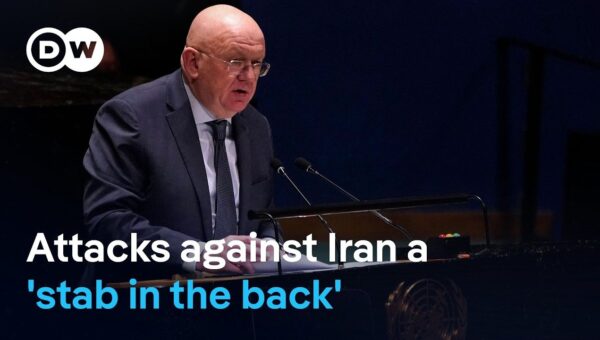
Putin Condemns US Strikes on Iran as ‘Cynical Violation’
Russian President Vladimir Putin has condemned US air strikes on Iran, calling them a "cynical violation" of international law and morality. While Moscow offers strong words of support, experts suggest Russia's practical aid to Iran may be limited by capacity and logistical constraints. The incident also raises questions about Russia's global standing and its impact on the war in Ukraine.
Trump’s Putin Stance: US Strategy and Global Implications
Analysis suggests Donald Trump's approach to the Ukraine war involves pressuring Kyiv, but US involvement is crucial for resolution. China's influence and the 'MAGA' agenda's geopolitical implications are key factors.

US Accused of Manufacturing Cuba Crisis for Wall Street Profit
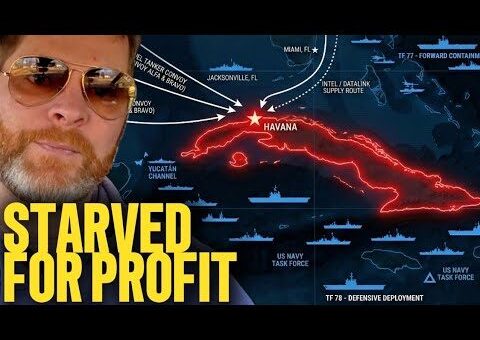
The United States is accused of manufacturing a severe humanitarian crisis in Cuba by cutting off fuel supplies, aiming to destabilize the government and create a profitable market for American oil corporations. Critics decry this strategy as a "mafia shakeddown" that prioritizes Wall Street profits over human well-being, drawing parallels to domestic U.S. policies.