Sikh Princess Saved Jews from Nazis, New Exhibit Reveals
An exhibition at Kensington Palace reveals the extraordinary story of Katherine Jalip Singh, a Sikh princess and goddaughter of Queen Victoria, who saved Jewish families from the Gestapo. The display features a pendant gifted to a rescued family, symbolizing her immense courage and generosity during the Holocaust.

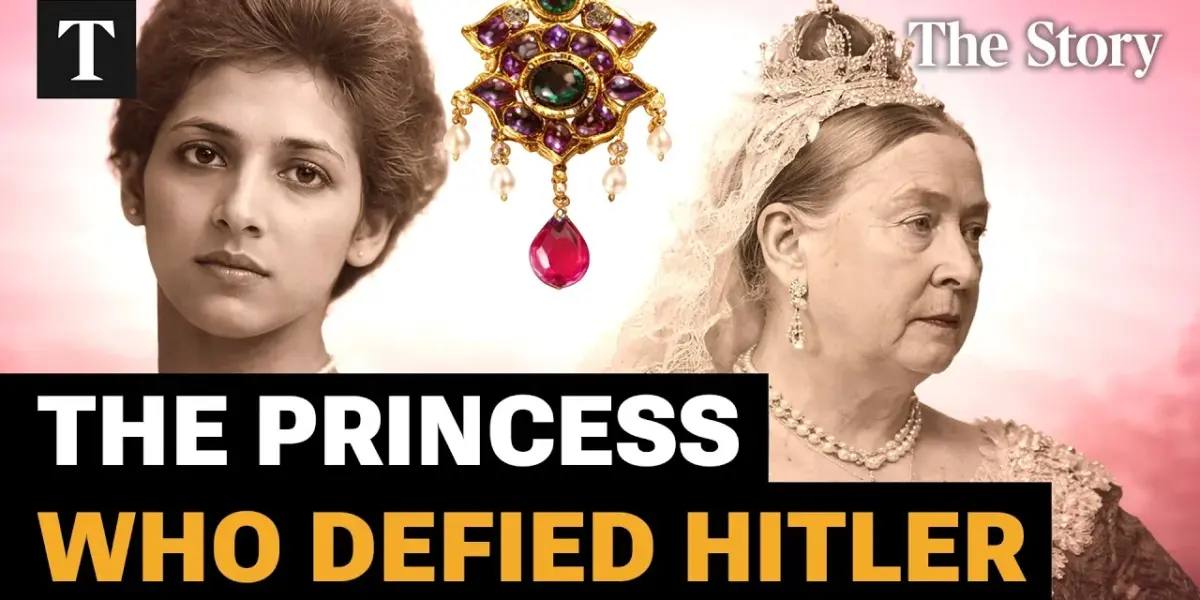
Royal Exile Becomes Holocaust Hero
An extraordinary story of courage is emerging from Kensington Palace, where a new exhibition shines a light on the Sikh princesses of Punjab. Among them is Katherine Jalip Singh, goddaughter of Queen Victoria, who risked her life to save Jewish families from the clutches of the Gestapo during the rise of Nazi Germany. Her bravery extended beyond this act, encompassing her involvement in the suffragette movement and her life as a royal in exile.
A Pendant’s Powerful Story
The exhibition, titled “The Last Princesses of Punjab,” features a remarkable pendant that tells a deeply personal story of escape and salvation. This jewel, never before seen by the public, belonged to Ursula Hornstein, a Jewish girl who fled Germany with her family in 1939. Katherine Julip Singh sponsored their escape to Britain, and the pendant was a gift from Katherine to Ursula years later. Michael BS Hornstein, Ursula’s youngest son, expressed that it is an honor for his family to share this history, highlighting the profound impact of Katherine’s kindness and generosity.
“For our family, it is enormously powerful that someone would have taken the trouble to do that.” – Michael BS Hornstein
From Punjab to London: A Royal Journey
Katherine and her sisters, Sophia and Bambber, were members of the royal family that once ruled the Sikh Empire. Their father, Dalip Singh, was the last Maharaja of Punjab. He was deposed as a child and later lived in exile in Britain and Europe. Queen Victoria took a personal interest in the sisters, acting as godmother to Sophia. Despite their royal lineage, the sisters became prominent figures in British society and politics, carving out their own legacies.
A Daring Rescue from Nazi Peril
The pendant’s story begins in a doctor’s surgery in Kassel, Germany, in 1938. Katherine, who spent considerable time in the city with her partner Lena Schaefer, had already been helping Jews escape. It was there that she met Ilsa Hornstein, Ursula’s mother, who was unaware she was speaking to a princess. Ilsa confided in Katherine about her husband’s imminent danger in a concentration camp. Without hesitation, Katherine offered to act as the guarantor for the Hornstein family’s immigration to Britain. This act of immediate support and generosity was crucial in their escape.
Escaping the Gestapo
Following Katherine’s intervention, Ilsa Hornstein bravely went to the Gestapo offices. Disguised as a secretary, she managed to secure her husband’s release by emphasizing his service during World War I. The family then successfully left Germany, arriving in England in 1939. Katherine also sponsored other individuals and took in two families, the Reiches and the Girthmans, directly saving dozens of lives from the horrors of the Holocaust. She passed away in Buckinghamshire in 1942.
Beyond Rescue: A Legacy of Activism
The influence of Katherine and her sisters extended far beyond their heroic rescue efforts. Sophia Julip Singh, in particular, became a leading figure in the British suffragette movement. She was famously photographed selling the movement’s newspaper outside Hampton Court Palace. Her bold stance is evident in her 1911 census form, where she declared “no vote, no census.” Bambber Singh considered herself the heir to her family’s empire and, after India’s partition and the end of British rule, laid claim to ancestral lands in a letter from 1948.
Echoes of Exile and Resilience
The exhibition also explores the story of Jind Kaur, the grandmother of the princesses and the last Maharani of Punjab. She was regent for her son, Dalip Singh, but lost power after the first Anglo-Sikh War. Following her escape from imprisonment, she went into exile in Nepal, separated from her son for 13 years. A portrait of Jind Kaur by George Richmond, painted in 1862, is displayed alongside preparatory sketches and the earrings she wore, offering a glimpse into her dignified yet challenging life.
A Call for Compassion
The pendant, described as a treasured keepsake, symbolizes kindness and generosity for the Hornstein family. Michael BS Hornstein hopes that refugees facing similar circumstances today will be met with the same compassion. The exhibition at Kensington Palace, which opened on March 26th, not only celebrates the remarkable lives of these princesses but also serves as a powerful reminder of the human capacity for bravery and empathy in the darkest of times.
The story of Katherine Jalip Singh and her sisters offers a vital perspective on history, highlighting the often-untold contributions of women and individuals from diverse backgrounds in shaping significant historical events.
Source: How an Exiled Sikh Princess Saved Families from the Gestapo (YouTube)

Related Articles


Pakistan Brokers Peace Talks Amid Iran War Escalation
Pakistan is hosting crucial peace talks with foreign ministers from Saudi Arabia, Egypt, and Turkey to de-escalate the ongoing US-Israeli war on Iran. The nation faces internal challenges but aims to broker wider peace without being drawn into the conflict.


Iran’s ‘Enormous Patience’ Could Test Trump in Negotiations
Iran possesses 'enormous patience' and may prolong negotiations with President Trump, according to former British Ambassador Matthew Gold. He detailed Iran's unique negotiating tactics, emphasizing their high 'threshold for pain' and strategic use of proxies. Gold advised that successful talks require a long attention span, a quality that could challenge the U.S. president.


Iran War Escalates: Houthis Strike Israel, Threaten Global Shipping
Yemen's Houthi rebels have joined the Iran conflict, launching missile strikes on Israel and threatening critical global shipping routes. Their involvement escalates regional hostilities and introduces new economic warfare tactics, potentially disrupting vital waterways like the Strait of Bab al-Mandeb.