Shutdown Threatens Air Travel Security
TSA officers are facing severe financial hardship and destroyed morale due to a partial government shutdown. Unable to pay bills and threatened with termination, these essential workers are taking second jobs and supporting each other. This situation raises serious concerns about air travel security and questions the government's funding priorities for national safety.


Shutdown Threatens Air Travel Security
A partial government shutdown is causing severe financial and emotional distress for Transportation Security Administration (TSA) officers. These frontline workers, responsible for national security at airports, are struggling to make ends meet without pay. This situation raises serious concerns about air travel safety and the well-being of the workforce.
TSA Officers Face Financial Ruin
Caleb Hartman Marshall, a former TSA officer, spoke with 17 current TSA employees. The common story is one of severe financial strain. Officers cannot pay their bills. Many are missing paychecks entirely. Some received checks as low as $9 after essential deductions like healthcare and child support were taken out.
The impact goes beyond just missing a paycheck. Some officers were already in the negative on their first missed pay because of automatic allotments. This means they effectively lost two paychecks. The traveling public often doesn’t see the depth of this internal crisis.
Morale Destroyed, Threats Loom
The morale among TSA officers is reportedly destroyed. They face threats of being fired if they do not show up for work. This is a huge stressor. Officers have dedicated years to their careers. They fear losing all that time and effort because of the shutdown.
Management is reportedly telling officers that reasons like not having gas money or financial support to get to work are not good enough excuses for absence. If an officer needs to see a doctor, they must get a doctor’s note. They have to pay for this note themselves. Many cannot even afford to take a bus to a doctor’s appointment, let alone pay a premium fee for a visit.
Officers Seek Second Jobs, Support Each Other
To survive, TSA officers are taking on second jobs. Many are working for services like DoorDash. They are also helping each other out. This includes watching each other’s children because they can no longer afford childcare. They are pooling resources and supporting one another through this difficult period.
Security Risks Emerge
The financial pressure creates a legitimate security risk. When officers are worried about eviction, lights being turned off, or their children not having food, their focus on job duties can suffer. It is difficult to concentrate 100% on screening for threats when facing such severe personal crises.
The transcript highlights that officers cannot work at peak performance when financially strained. The question for Americans is whether they should be concerned about flying. The answer from those interviewed is a resounding yes. The stress and exhaustion from working without pay, while dealing with extreme personal hardship, can impact vigilance and attention to detail.
Funding Discrepancies Raise Questions
The situation is particularly frustrating because other government agencies are being paid. Customs and Border Protection (CBP) and Immigration and Customs Enforcement (ICE) officers are still receiving their salaries. This raises questions about why TSA officers are being treated differently.
TSA is funded partly by fees paid by travelers. The transcript notes that in 2025, travel fees alone generated over $4 billion. This money is collected every time a passenger books a flight. The question is why these funds cannot be temporarily redirected to ensure TSA officers are paid.
What Travelers Can Do
Travelers are encouraged to speak up. They should make their voices heard about the situation facing essential workers. The message is that these workers are supposed to keep everyone safe while flying. Travelers are urged to contact their elected officials in Congress.
They need to demand action to help TSA officers. The call is to separate TSA from other political disputes and provide immediate relief. This could include ensuring their pay or offering other necessities like food to help them get by during the shutdown.
Historical Context and Broader Implications
Government shutdowns, while not entirely new, expose the vulnerabilities in how essential government functions are funded and prioritized. Historically, disruptions to federal services have occurred during budget impasses. However, the direct impact on frontline security personnel, who are deemed essential and required to work without pay, is particularly stark.
The TSA was established after the September 11, 2001 attacks to consolidate aviation security. Its mission is critical to public safety. Placing these officers in a position where their financial stability is threatened directly undermines the very security they are tasked with maintaining. This creates a difficult paradox: the government insists on their presence for security but fails to provide them with the basic financial support to live.
Economic Leverage and Future Scenarios
The economic leverage in this situation is clear: the government controls the purse strings. However, the public’s reliance on air travel and the necessity of security create a counter-leverage for the workforce. The fees collected from travelers represent a direct revenue stream that could theoretically be used for TSA salaries, bypassing traditional budget appropriations temporarily.
Several future scenarios are possible. The shutdown could end quickly, providing back pay and restoring morale. Alternatively, it could drag on, leading to increased officer attrition as they seek more stable employment. This could result in longer wait times and potentially compromised security effectiveness in the long term. A third scenario involves legislative action to ensure TSA officers are always paid, even during shutdowns, by delinking their pay from broader budget battles.
Global Impact
While this specific issue is domestic, it has broader implications for international perceptions of U.S. security and stability. Consistent, reliable security at U.S. airports is vital for global travel and commerce. Any perceived weakness or disruption can affect international confidence. Furthermore, the treatment of essential workers during a shutdown can set precedents for how other nations manage their public services and security apparatus during fiscal challenges.
Why This Reshapes the World Order
This situation highlights a fundamental tension in modern governance: the reliance on a dedicated public workforce for critical national functions versus the political realities of budget disputes. It questions the sustainability of essential services when they are made contingent on political brinkmanship. The public’s trust in security infrastructure is paramount. When that infrastructure is strained by the very government it serves, it erodes confidence. This incident underscores the need for robust, independent funding mechanisms for national security agencies, ensuring they can operate effectively regardless of political impasses. The ability of a nation to maintain its core security functions without disruption is a key indicator of its stability and reliability on the global stage.
Source: TSA officers are struggling during partial government shutdown: Colleague | Jesse Weber Live (YouTube)

Related Articles

Iran Hacks FBI Chief, Exposing U.S. Cyber Vulnerabilities
A recent hack of FBI Director Kash Patel's personal email by an Iran-linked group highlights Iran's growing cyber threat to the U.S. Experts explain how simple security oversights are exploited, emphasizing the need for basic defenses like two-factor authentication to protect against propaganda and potential infrastructure attacks.
TSA Staff Cuts Create Airport Chaos for Travelers
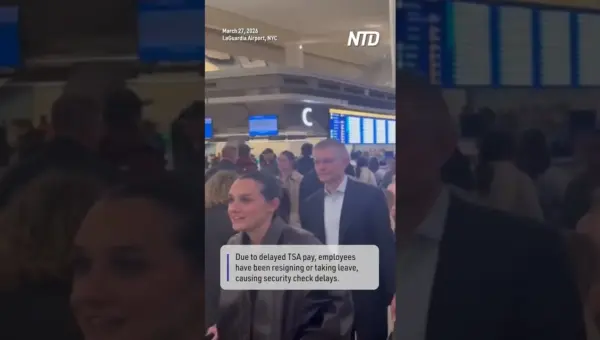
Recent TSA agent shortages, fueled by a government shutdown and delayed pay, have caused significant delays and long security lines at major airports. This situation highlights the critical role of TSA staff and the impact of funding issues on essential services.
House Funds DHS, But Senate Deal Unlikely Amid Shutdown
The House of Representatives has passed a bill to fund the Department of Homeland Security, but the measure is unlikely to pass the Senate. TSA workers, who have faced missed paychecks and disruptions, may receive some pay soon due to a presidential order, but the broader shutdown continues.