Shutdown Fueled by Blame Game, Not Policy
A 38-day DHS shutdown reveals a political system prioritizing blame over solutions, impacting federal workers while Congress remains paid. Both parties and the President are using the crisis for political gain, hindering essential government functions and national security.

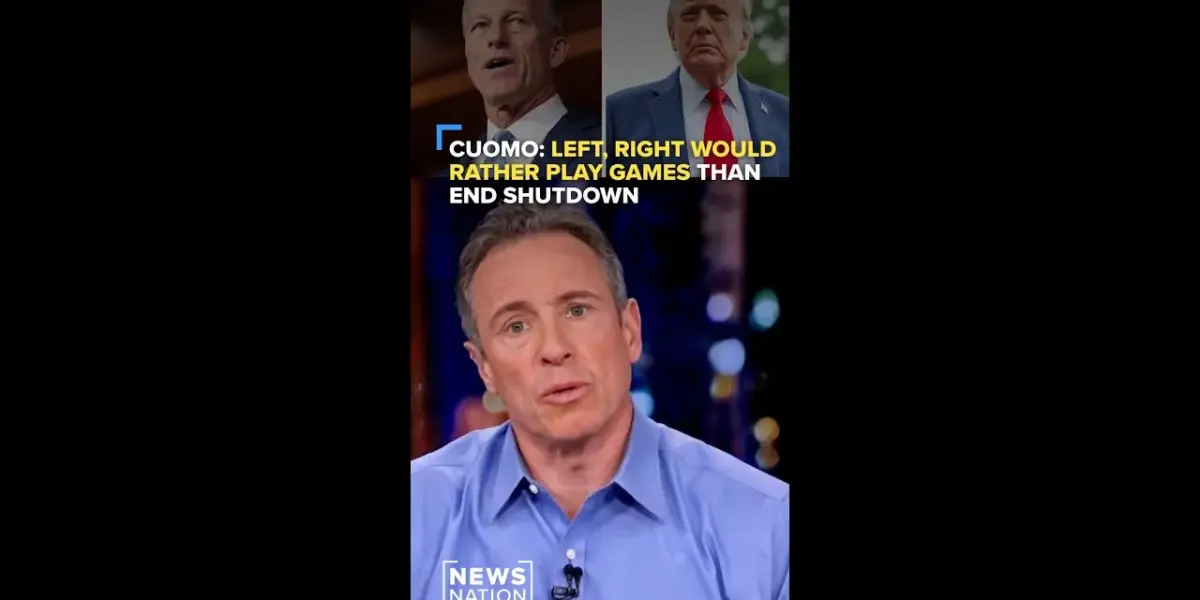
Shutdown Fueled by Blame Game, Not Policy
The ongoing Department of Homeland Security (DHS) shutdown, now in its 38th day, highlights a deep-seated political dysfunction. Both the left and the right in Congress seem more interested in blaming each other than finding solutions. This political stalemate directly harms hardworking Americans, including TSA agents who are not being paid, while elected officials continue to receive their salaries. This situation is not just a minor inconvenience; it’s a serious failure of governance.
Roots of the Stalemate
The current crisis began with actions by Democrats concerning Immigration and Customs Enforcement (ICE) in Minnesota. While the Republicans are also engaged in this political fight, their approach is flawed. The shutdown, unfortunately, does not even affect ICE’s operations. Furthermore, the core issue of homeland security remains critical, especially with ongoing global threats. Yet, both parties appear to believe the shutdown serves their political interests.
Republican Options and Presidential Obstacles
Republicans possess several paths to resolve the DHS funding issue. They could pass a DHS funding bill with Democratic support. This bill would fund all departments except ICE. Notably, ICE funding is already secured through a large spending bill passed earlier, which extends until 2029. Alternatively, Republicans could attempt to pass a bill specifically for ICE funding on their own. However, President Trump has signaled opposition to such measures unless Democrats agree to his demands.
The President’s Demands
President Trump has made it clear that he will not negotiate a deal unless Democrats agree to pass his voter ID law, known as the Save America Act. He has also suggested that if this condition isn’t met, the filibuster rule in the Senate should be eliminated. This ultimatum places a significant hurdle in the path of resolving the DHS shutdown, prioritizing a specific legislative agenda over immediate government function.
The Save America Act
Regarding the Save America Act, the proposal to pass it with minor adjustments is being considered. This act, focused on voter identification laws, has become a central point of contention. The debate around it, and its connection to the broader DHS funding, illustrates how unrelated policy goals can become entangled in urgent budget battles, leading to prolonged government shutdowns.
Global Impact
This prolonged shutdown sends a concerning message about American political stability. It suggests that domestic political games can override national security needs. Such instability can affect international perceptions of the United States’ reliability as a partner and its capacity to manage its own affairs. Allies and adversaries alike will be watching how this situation unfolds, potentially influencing their own strategic calculations.
Historical Context
Government shutdowns are not new in American politics. They have occurred periodically when Congress and the President cannot agree on spending bills. However, the current situation is notable for how a specific agency’s funding, which is already addressed, has become the linchpin for a broader shutdown. This tactic of using essential government functions as bargaining chips is a recurring theme, but the specific demands in this instance, like the Save America Act, represent a new dimension in these disputes.
Economic Leverage
While no specific sanctions or trade figures are mentioned in relation to this shutdown, the economic impact is significant. TSA agents and other federal employees are facing financial hardship due to missed paychecks. This can lead to reduced consumer spending and broader economic slowdown. The government’s inability to function smoothly can also deter investment and create uncertainty in the markets. The control over DHS funding is a direct form of economic leverage used by both parties in their political struggle.
Regional Alliances and Power Balances
The internal political divisions highlighted by the shutdown can indirectly affect regional and global power balances. A government perceived as unstable or dysfunctional may embolden rivals. Allies might question the U.S.’s commitment to its international responsibilities if it cannot manage its internal affairs. This internal focus can divert attention and resources away from foreign policy challenges, potentially creating vacuums that other powers might seek to fill.
Future Scenarios
Several outcomes are possible. One scenario is a continued stalemate, with the shutdown dragging on, causing increasing economic and social disruption. Another is a compromise where DHS is funded, but the contentious issues like the Save America Act remain unresolved, potentially leading to future conflicts. A third scenario involves the President’s demands being met, leading to the passage of the Save America Act and the resolution of the shutdown, but at the cost of significant political concessions and potentially setting a precedent for future negotiations. The likelihood of each scenario depends heavily on the political will of the key players to move beyond blame and engage in genuine problem-solving.
Source: Cuomo: Left, Right would rather play games than end shutdown | CUOMO (YouTube)

Related Articles

House Funds DHS Short-Term, Senate Stalemate Looms
The House has passed a short-term bill to fund the Department of Homeland Security, but the Senate is expected to reject it. This temporary measure highlights ongoing political divisions and the challenges in reaching long-term budget agreements in the U.S. Congress.
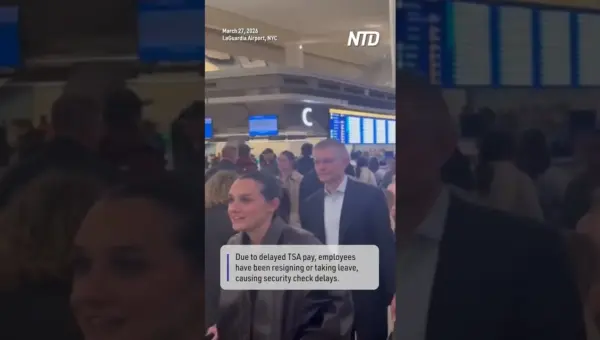
TSA Staff Cuts Create Airport Chaos for Travelers
Recent TSA agent shortages, fueled by a government shutdown and delayed pay, have caused significant delays and long security lines at major airports. This situation highlights the critical role of TSA staff and the impact of funding issues on essential services.

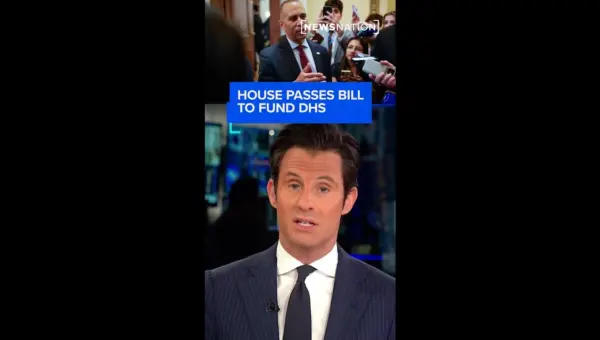
Congress Stalemate Threatens Border Security Funding
The U.S. House passed a temporary funding bill for the Department of Homeland Security, but Senate Democrats are expected to block it. This recurring stalemate highlights deep divisions over border policy and funding, potentially impacting national security and international perceptions of U.S. stability.