Shutdown Cripples Airports, ICE Agents Fill Security Gaps
A federal government shutdown has caused widespread chaos at U.S. airports, with hundreds of TSA officers resigning and ICE agents being deployed to manage long lines. The crisis is straining airport operations, leading to delays and the suspension of premium security services like PreCheck and CLEAR. Officials warn that smaller airports could face closure if the shutdown continues.


Shutdown Cripples Airports, ICE Agents Fill Security Gaps
A federal government shutdown has thrown major U.S. airports into chaos, causing long security lines and forcing the Department of Homeland Security (DHS) to deploy Immigration and Customs Enforcement (ICE) agents to help manage crowds. Hundreds of Transportation Security Administration (TSA) officers have resigned or called out sick, pushing the system to its breaking point. This situation highlights the fragility of airport operations when staffing levels drop significantly.
TSA Staffing Crisis Deepens
The lack of funding has led to a severe staffing shortage within the TSA. More than 3,000 TSA officers called out sick on a single Monday. Since the shutdown began five weeks ago, at least 450 officers have quit their jobs entirely, with some reports suggesting that number is closer to 500. This exodus leaves fewer officers to handle the growing number of travelers.
Long Lines and Airport Disruptions
Airports across the country are experiencing unprecedented wait times, with some exceeding four hours. This has forced some airports, like New York’s LaGuardia, to suspend their online wait-time trackers because the information is no longer reliable. In response to the massive lines, some airports have also temporarily stopped using programs like PreCheck and CLEAR. These programs are designed to speed up security screening for travelers who pay extra fees.
ICE Agents Deployed to Airports
To address the growing crisis, the Trump administration deployed ICE agents to over a dozen major airports nationwide. Their role is to assist with crowd control and manage the long lines. However, this move has drawn criticism from various groups. The deployment suggests that the TSA alone cannot handle the current operational demands without adequate staffing.
Impact on Paid Security Programs
Travelers who paid for services like CLEAR and PreCheck are finding that their status doesn’t guarantee faster passage through security. With fewer TSA agents available, even dedicated lanes for these programs are struggling to move passengers efficiently. Some airports have closed these special lanes altogether, rerouting everyone to the main security lines. This has left many travelers frustrated, as they paid for a service that is no longer delivering its promised speed.
Broader Airport Issues at LaGuardia
The situation at LaGuardia Airport is particularly dire. Beyond the security line chaos, the airport is still recovering from a recent deadly wrong-way collision involving a fire truck. Investigators are working on the Air Canada incident, which is visible at the airport. The firefighters involved in the collision have not yet been interviewed, adding another layer of complexity to the airport’s operational challenges.
Potential for Airport Shutdowns
Officials are warning that if the government shutdown continues and funding is not restored, smaller airports could be forced to close entirely. This threat, first made last week, remains a real possibility. The strain on the national airport system is immense, and the current situation is unsustainable in the long term.
Global Impact
While this article focuses on U.S. domestic travel, the disruption at major airports has wider implications. Air travel is a critical component of the global economy. Significant delays and potential shutdowns can disrupt international supply chains, affect business travel, and impact tourism. The U.S. is a major hub for global air traffic, so issues here can have ripple effects worldwide. This situation also raises questions about the resilience of critical infrastructure during government shutdowns and the potential for similar problems in other countries facing budget crises.
Historical Context
Government shutdowns are not new in the United States. They have occurred periodically throughout history, often stemming from disagreements between the executive and legislative branches over spending and policy. However, the impact on critical services like airport security has become more pronounced in recent years. The increased reliance on specialized security programs and the sheer volume of air travel mean that staffing shortages in essential agencies like the TSA can have more severe consequences than in the past.
Economic Leverage and Future Scenarios
The shutdown demonstrates how funding decisions can be used as economic leverage. By withholding funds, political factions can create significant disruption, forcing concessions. Several future scenarios are possible. The shutdown could end soon, restoring normal operations. Alternatively, it could drag on, leading to more resignations, increased reliance on other agencies like ICE, and potentially even airport closures. The longer the shutdown persists, the harder it will be to recover lost staff and restore traveler confidence. The reliance on ICE agents, who are trained for immigration enforcement, to perform security screening duties also raises questions about specialized training and mission creep.
Source: Hundreds of TSA officers resign amid DHS shutdown | NewsNation Live (YouTube)

Related Articles
House Funds DHS, But Senate Deal Unlikely Amid Shutdown
The House of Representatives has passed a bill to fund the Department of Homeland Security, but the measure is unlikely to pass the Senate. TSA workers, who have faced missed paychecks and disruptions, may receive some pay soon due to a presidential order, but the broader shutdown continues.


DHS Funding Crisis Sparks Chaos, Congressman Blames Poor Communication
Congressman Darrell Issa blames "failure to communicate" for the DHS funding crisis leading to unpaid TSA agents and airport chaos. The House is preparing a short-term bill as security concerns rise.

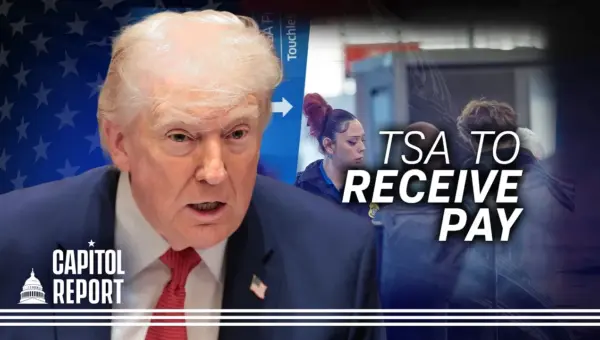
Congress Fights Over DHS Funds, Workers Face Pay Woes
House Republicans have rejected the Senate's DHS funding bill, proposing their own plan to fund the entire department. This has left many DHS workers, including TSA staff, without pay for weeks. President Trump has signed an order to provide back pay to TSA workers.