Sheriff’s Tactics Under Fire in Missing Person Case
A former colleague has criticized Sheriff Chris Nanos's handling of the Nancy Guthrie disappearance case, citing slow searches and a reluctance to accept outside help. The Guthrie family is renewing calls for information, focusing on January 11th as a key date. Questions linger about the Sheriff's office's transparency and investigative methods.

Sheriff’s Tactics Under Fire in Missing Person Case
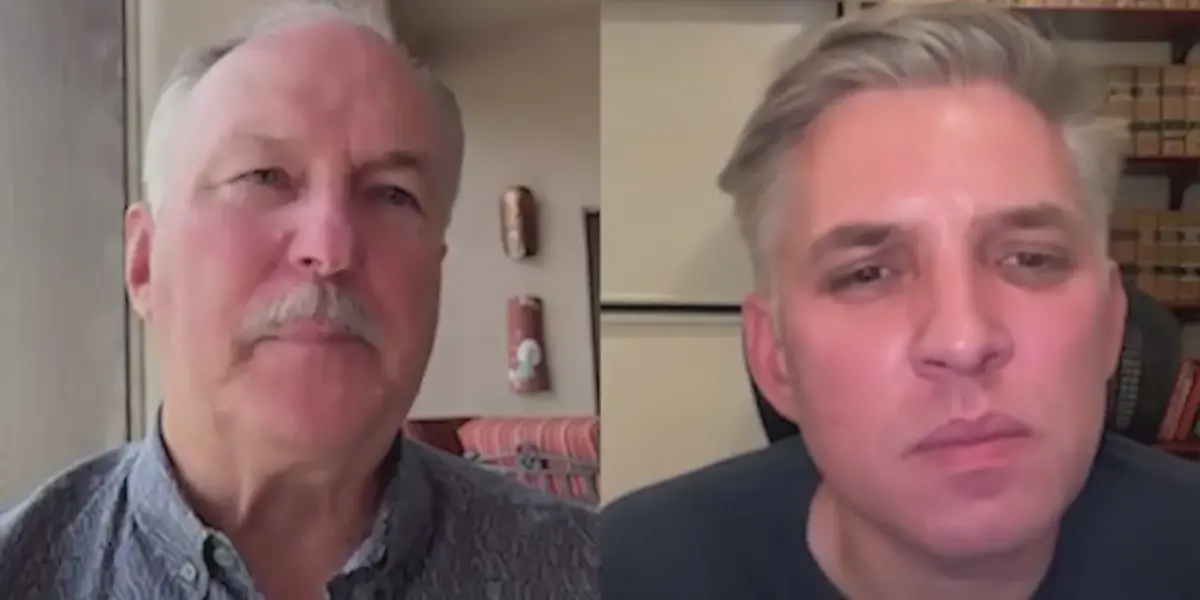
A former colleague is speaking out about Sheriff Chris Nanos of Pima County, criticizing his handling of the investigation into the disappearance of Nancy Guthrie. Rick Castaneda, who worked with Nanos for decades and even encouraged him to run for Sheriff, believes the investigation was flawed from the start. He suggests that searches were too slow and reactive, driven by public pressure rather than proactive police work. This criticism comes as the Guthrie family renews calls for information, specifically highlighting January 11th as a key date.
Family Pushes for Answers, Focuses on Key Date
The Guthrie family has recently emphasized January 11th as a significant date in their missing person case. This date is believed to be when the suspect or suspects may have been casing Nancy Guthrie’s house and neighborhood. This focus on January 11th is important because it suggests the perpetrator might have been someone familiar with Tucson or even the local area. The family’s renewed public appeal aims to keep the case in the headlines and potentially prompt new leads.
Sheriff’s Office Faces Scrutiny Over Information and Collaboration
Sheriff Nanos has faced criticism throughout the investigation. Recently, he spoke with NBC about a doorbell camera image that the Guthrie family initially believed was from January 11th. Nanos stated that Google initially provided this information but later said they could not confirm the exact date. Sources close to the investigation, however, have consistently maintained that at least one image predates the day Nancy Guthrie disappeared. This discrepancy raises questions about the accuracy of information shared and the Sheriff’s office’s initial assessment of evidence.
Castaneda also pointed out that Sheriff Nanos was reluctant to involve the FBI early in the investigation. He believes Nanos wanted to handle the case entirely on his own. Furthermore, Castaneda questioned why the Sheriff’s office did not readily accept help from groups like the Cajun Navy, who offered assistance in search efforts. This reluctance to collaborate or seek external expertise is a central point of Castaneda’s critique.
Former Colleague’s Harsh Assessment
Rick Castaneda, who worked alongside Nanos for 41 years and served as his boss for 30 of those years, expressed strong opinions. He stated that Nanos has not been receptive to different viewpoints or advice. According to Castaneda, Nanos seemed determined to manage the investigation solo, which may have hindered progress. He believes crucial time was lost by not initiating searches sooner and by not calling in federal resources like the FBI. Castaneda’s perspective offers an inside look at potential leadership issues within the Pima County Sheriff’s Department during this critical case.
Global Impact
While this case is local, the issues it raises have broader implications. The handling of missing persons investigations and the transparency of law enforcement agencies are matters of public trust. When a case draws national attention, as this one has, the public’s perception of justice and police effectiveness is shaped. The reluctance to accept outside help or admit potential missteps can erode confidence. This situation highlights the ongoing debate about how law enforcement agencies should manage complex investigations, especially when facing public scrutiny and media attention. It also underscores the importance of timely and thorough investigative work, and the potential consequences when these are perceived to be lacking.
Historical Context
Investigations into missing persons often involve a delicate balance between local jurisdiction and the need for specialized resources. In many cases, federal agencies like the FBI are called in to assist with resources, expertise, or to investigate potential interstate elements. The decision of when and whether to involve these agencies can be contentious. Past high-profile missing person cases have seen similar debates about the speed of response and the extent of collaboration between different law enforcement bodies.
Economic Leverage
While not directly applicable to this specific transcript, economic factors can influence investigations. Limited resources can impact the scale and duration of search efforts. Public pressure, often amplified by media coverage, can sometimes lead to increased funding or resource allocation. In this case, the family’s persistent public appeals aim to maintain attention, which can indirectly influence the resources dedicated to finding Nancy Guthrie.
Regional Alliances and Rivalries
The transcript mentions the initial release of information to a Tucson TV station, suggesting a focus on the local community. This points to the importance of local ties and potential suspect origins within the region. Sheriff Nanos’s desire to handle the investigation independently, without involving the FBI, could be seen as a defense of local authority and pride. This dynamic, where local agencies are hesitant to cede control, is a recurring theme in law enforcement cooperation across regions.
Future Scenarios
One scenario is that the family’s renewed efforts will generate new leads, prompting a breakthrough in the case. Another possibility is that the criticism of Sheriff Nanos’s handling will lead to an internal review or changes in investigative protocols. It is also possible that the case may remain unsolved, a tragic outcome that emphasizes the challenges faced in complex investigations. The effectiveness of future actions will depend on the willingness of all parties to cooperate and share information openly.
Source: Sheriff handling Guthrie case ‘not interested in other perspectives’: Former colleague | Jesse Weber (YouTube)

Related Articles

Cold Case Fears Mount in Nancy Guthrie Abduction
Investigators are working to prevent the abduction of 84-year-old Nancy Guthrie from becoming a cold case. Despite 55 days passing, a former detective believes ongoing leads, digital evidence, and potential DNA testing keep the investigation active. The public release of ransom notes and the use of genetic genealogy are being considered as crucial steps to finding her.


US Faces Iran Tensions, Social Media Faces Accountability
The US faces mounting tensions with Iran, with ongoing military actions and a complex negotiation landscape. Simultaneously, social media giants like Meta and Google are confronting landmark legal challenges, as juries find them liable for addictive platform designs that harm children. In local news, Pima County Sheriff Chris Nanos is under pressure to resign following a no-confidence vote by his deputies and scrutiny of his past work history.


Anchor’s Pain Mirrors Nation’s Grief
The abduction and suspected murder of Nancy Guthrie, mother of Today show host Savannah Guthrie, has brought the family's private pain into the public eye. Guthrie recently shared details of the ongoing investigation, highlighting the emotional toll and the community's connection to her struggle.