Sheriff Clashes With Feds, Delays Search in Guthrie Case
An 84-year-old woman's disappearance has exposed deep flaws in a local sheriff's investigation, marked by crime scene contamination, delayed searches, and a refusal of federal aid. Legal protections shield law enforcement from liability, shifting accountability to political pressure and public opinion.

Local Sheriff Hinders National Search Efforts for Missing Elderly Woman
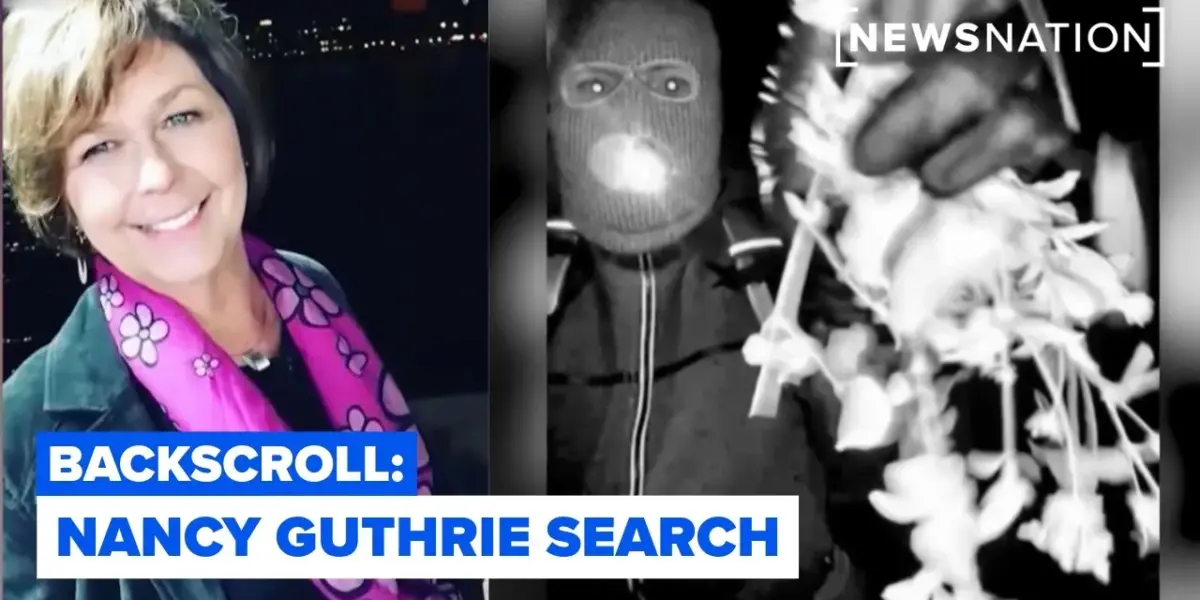
An 84-year-old woman, Nancy Guthrie, vanished from her home. Blood was found on her doorstep, and a masked intruder was caught on camera. Despite these clear signs of a crime, no arrest has been made, no suspect named, and her family has no closure. This case has captured national attention, but serious questions are being raised about the Pima County Sheriff’s Office’s handling of the investigation.
Crime Scene Mishandling Raises Doubts
Concerns about the investigation began early. Reports indicate the crime scene was left unprotected, without security tape or a proper perimeter. Even more troubling, two reporters were allegedly allowed access to the scene, which experts say is a major error. A contaminated crime scene can severely damage a prosecution before it even starts. Furthermore, deputies initially overlooked a roof-mounted camera, losing valuable time.
Delayed Search Efforts and Leadership Concerns
The Pima County Sheriff’s Department is also under fire for delays in critical search operations. Sheriff Nanos is accused of not launching a thermal imaging search plane for three hours after Ms. Guthrie was reported missing. The reported reason for this delay? A clash between the Sheriff and the only deputy qualified to fly the specialized plane. This deputy was reassigned to street patrol. In a kidnapping case, especially involving an elderly victim, three hours can be a critical lost window.
Adding to the public’s unease, Sheriff Nanos was reportedly attending a University of Arizona basketball game on February 7th, the same day Savannah Guthrie and her siblings released a public plea for their mother’s return. Critics argue this shows a lack of focus during a vital period of the investigation.
Federal Resources Rejected Amid Power Struggle
Perhaps the most controversial aspect is Sheriff Nanos’s apparent resistance to involving federal resources, including the FBI. Instead of immediately deferring to the FBI’s extensive capabilities, the Sheriff seems to have treated the case as his personal territory. Critical evidence was reportedly sent to a private lab instead of the FBI’s advanced facility in Quantico, Virginia. This reluctance to collaborate has cost valuable time and potentially crucial evidence.
Recently, the United Cajun Navy, a volunteer search and rescue group, submitted a detailed 41-page plan to Sheriff Nanos in late February. They offered dozens of search dogs and advanced drone technology to cover the rugged Catalina foothills. As of March 5th, the Sheriff had not approved their plan, citing concerns about contaminating a live investigation. This is despite the initial crime scene reportedly already being compromised. The group has received no response, with the Sheriff remaining silent on their offer.
The president of the Pima County Deputies Association publicly stated, “More bodies are always better than one,” highlighting internal frustration with the Sheriff’s tight grip on the investigation. Many believe this power struggle is hindering the search for Ms. Guthrie.
Internal Criticism and Departures
Criticism of Sheriff Nanos is not just coming from outside. A retired SWAT commander reported that 98% of the department gave Nanos a no-confidence vote. Furthermore, the department reportedly lacks experienced homicide detectives, as many veteran investigators have left due to issues with Sheriff Nanos’s leadership. This exodus of experienced personnel raises further questions about the department’s capacity to handle such a complex case.
Legal Avenues for Accountability Are Limited
From a legal standpoint, holding law enforcement accountable for investigative failures is incredibly difficult. The Supreme Court case Dashanei v. Winnebago County (1989) established that the government generally has no constitutional duty to protect individuals from private harm. The Constitution protects against government action, not a guarantee of government services. Law enforcement’s failure to solve a crime does not automatically lead to civil or criminal liability.
Additionally, law enforcement officers are protected by qualified immunity, which shields them from personal liability unless their conduct violates clearly established law. This creates a very high bar for lawsuits, even in cases of negligence or incompetence, as seen in the Uvalde response where officers were largely acquitted.
Arizona state law also grants sovereign immunity to government entities for discretionary acts. Sheriff Nanos could argue he exercised his professional judgment throughout the investigation. While there are limited exceptions, such as a “special relationship” created by specific promises to victims, there is no current information suggesting such promises were made to the Guthrie family that were then broken. Proving “deliberate indifference” rather than mere negligence is required, which is a high standard.
Accountability Lies in Politics, Not Courts
Given the legal hurdles, accountability for Sheriff Nanos’s actions is likely to be political rather than judicial. Mechanisms include elections, legislative oversight hearings, and potential Department of Justice reviews. The FBI is expected to investigate the pushback Sheriff Nanos gave to their offers of assistance. Ultimately, the court of public opinion, already heavily critical, will play a significant role.
While the law provides law enforcement with significant protections from civil liability, allowing them to conduct investigations without constant fear of lawsuits, this protection does not equate to freedom from accountability. The public expects transparency and effective action, especially in cases as sensitive as the disappearance of Nancy Guthrie.
New Developments: DNA and Image Analysis
As the search enters its 41st day, new information is emerging. Investigators believe they may understand why Nancy Guthrie was targeted, though motive details remain undisclosed. The masked intruder has not been identified, and mixed DNA found at the property presents a complex challenge.
Forensic scientists believe DNA could be key. A DNA expert highlighted the importance of a flashlight found in the suspect’s mouth on surveillance footage, noting that saliva deposits are a prime source for DNA. The fact that the suspect’s mouth was uncovered by his mask also increases the chances of saliva being transferred, potentially providing crucial evidence.
While DNA analysis faces complications, particularly with mixed samples, advancements in genetic genealogy offer hope. This technique has successfully solved high-profile cases, including the University of Idaho murders and the Golden State Killer. Experts like CeCe Moore are confident that genetic genealogy can crack the Guthrie case, especially if additional DNA samples, like from a hair root or a recovered flashlight, can be analyzed.
Additionally, the FBI has reportedly obtained thumbnail images from other cameras on Ms. Guthrie’s property. However, these are not full videos, and crucially, the images from the time frame of the abduction appear to be missing. Some neighbors reported an internet outage around that time, suggesting a possible signal blocker might have been used, which could explain the missing camera data.
The Sheriff has expressed concern that the suspect could strike again, stating “Absolutely” when asked if the perpetrator posed a continued threat. While he also maintains the abduction was targeted, he admitted they cannot be 100% sure. This adds a chilling layer to an already deeply concerning investigation.
A Reporter’s Troubling Connection
In a strange twist, NewsNation correspondent Brian Anton, who has been extensively covering the Guthrie case, learned that Brian Coburger, the suspect in the University of Idaho murders, had been watching Anton’s reporting on that case before his arrest. Coburger’s phone data showed he accessed videos of Anton’s coverage. Anton expressed that this is unsettling, as it suggests that individuals involved in serious crimes may closely follow media reports, potentially to stay ahead of investigators. He believes it is likely that whoever took Nancy Guthrie is also following coverage, including his own, to monitor the investigation’s progress.
Global Echoes: A Similar Kidnapping Case
The Nancy Guthrie case bears striking similarities to the kidnapping of Chris Bogsarian, an 85-year-old grandfather in Australia. Bogsarian was taken from his home by armed, masked individuals in what is believed to have been a case of mistaken identity. He was held and tortured, and while he was unfortunately found deceased, his DNA and that of his captors were found at the location where he was held. This case, though receiving less coverage, highlights the potential for a second crime scene to emerge, providing crucial evidence for investigators, even in the worst-case scenarios.
Source: Nancy Guthrie search: New images, genetic genealogy, and has the investigation failed? | Backscroll (YouTube)

Related Articles
Cold Case Fears Mount in Nancy Guthrie Abduction
Investigators are working to prevent the abduction of 84-year-old Nancy Guthrie from becoming a cold case. Despite 55 days passing, a former detective believes ongoing leads, digital evidence, and potential DNA testing keep the investigation active. The public release of ransom notes and the use of genetic genealogy are being considered as crucial steps to finding her.


US Faces Iran Tensions, Social Media Faces Accountability
The US faces mounting tensions with Iran, with ongoing military actions and a complex negotiation landscape. Simultaneously, social media giants like Meta and Google are confronting landmark legal challenges, as juries find them liable for addictive platform designs that harm children. In local news, Pima County Sheriff Chris Nanos is under pressure to resign following a no-confidence vote by his deputies and scrutiny of his past work history.

Anchor’s Pain Mirrors Nation’s Grief
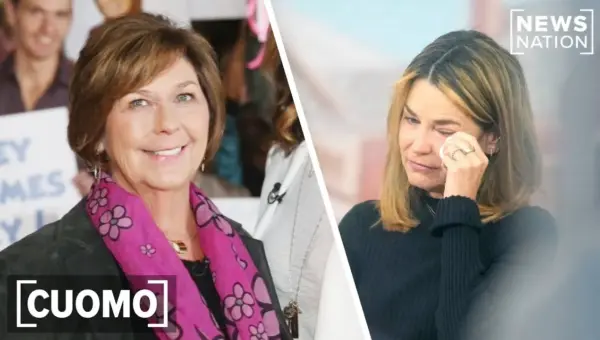
The abduction and suspected murder of Nancy Guthrie, mother of Today show host Savannah Guthrie, has brought the family's private pain into the public eye. Guthrie recently shared details of the ongoing investigation, highlighting the emotional toll and the community's connection to her struggle.