SF Mayor Rejects Radical Policies, Tackles Homeless Crisis
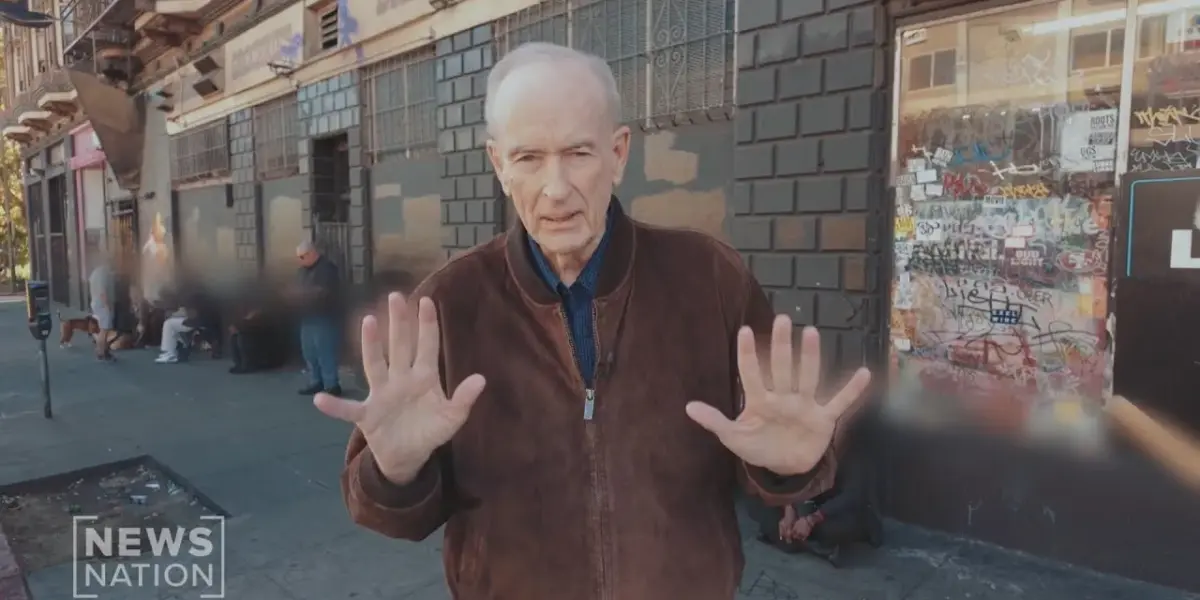
San Francisco's new Mayor Daniel Laurie is shifting the city away from progressive policies to tackle its homelessness and drug crisis. Activists pushed for change, citing billions wasted on failed approaches. The city now seeks federal, state, and local solutions, potentially including mandatory rehabilitation.

San Francisco Mayor Shifts Course on Homelessness Crisis
San Francisco is showing signs of change as its new mayor, Daniel Laurie, begins to steer away from the city’s previous progressive policies. This marks a significant shift in how the city is addressing its long-standing homelessness and drug crisis. The city recently put on a cleaner face for tourists during the Super Bowl, with more police visible on the streets. However, many residents feel these improvements should be a daily reality.
A New Direction for San Francisco
Mayor Daniel Laurie is credited with dialing back what some call “progressive nonsense.” Early signs suggest that certain measures are showing improvement. This change is partly thanks to local activists like Tom and Gina, who felt compelled to speak out. They formed a group in 2021 out of desperation. Their children were struggling with addiction and homelessness on San Francisco’s streets, and they felt unheard. By organizing, protesting, and demanding attention, they pushed for change.
“Our advocacy work was to change the direction San Francisco was going in,” explained one activist. They worked with a coalition of people in recovery to help elect Daniel Laurie as mayor. Their goal was to shift the majority of the Board of Supervisors, the city’s council, towards a more moderate political stance. This new group aims for common goals in solving the city’s problems.
The Scale of the Problem
Despite these efforts, the challenges remain immense. Reports indicate around 37,000 drug users are present in the city. This large number causes significant damage daily. The situation has not improved dramatically. In fact, Mayor Laurie’s motorcade was recently attacked by individuals in the Tenderloin district shortly after he gave a speech criticizing the city’s government. This incident highlights the ongoing difficulties.
San Francisco’s current crisis did not happen overnight. It took about a decade for the city to reach what some consider rock bottom in 2024. Billions of dollars were spent on policies that are now seen as flawed. These included radical harm reduction strategies and Housing First models that did not effectively end homelessness. Last year alone, San Francisco recorded 650 overdose deaths, suggesting these approaches may have worsened the situation.
Seeking Solutions: Federal, State, and Local Action
Finding a solution requires a multi-faceted approach. Federal guidance is starting to arrive from agencies like the Department of Housing and Urban Development and the Office of National Drug Control Policy. However, state legislation is also crucial. California needs to change laws related to housing and drug use. Activists argue that current laws allow drug use in certain areas, which progressives often support. This allows individuals to act without regard for the damage they cause to others.
The current situation is often blamed on two factors: progressive virtue signaling, where some believe they are helping by allowing self-destructive behavior, and personal choices. Many individuals seem to choose this lifestyle, regardless of the harm to themselves or others.
A Path Forward: Mandatory Rehab and Policy Change
The proposed solution by some is mandatory substance abuse rehabilitation. The belief is that many individuals in the Tenderloin want to remain in their current situation and lifestyle. They pose a danger to themselves and others. It is seen as incomprehensible that the United States allows this to continue. A significant change in policy is needed to address this crisis effectively.
Global Impact
The situation in San Francisco serves as a stark case study for cities worldwide grappling with similar issues. It highlights the complex interplay between progressive social policies, public safety, and the realities of addiction and homelessness. The city’s struggle and its attempts to pivot offer lessons on the effectiveness of different approaches. It shows how policy decisions can have profound, long-term consequences on urban environments and their residents. The debate over how to best help vulnerable populations while maintaining public order is a global one.
Historical Context
San Francisco’s challenges echo historical debates about social welfare and public order. For decades, cities have tried to balance compassion with the need for safe communities. Past approaches often involved more punitive measures, while recent decades saw a rise in harm reduction. The current situation suggests that a middle ground, possibly involving more structured treatment and accountability, is being sought. This reflects a broader societal discussion about the limits of tolerance and the responsibilities of government.
Source: San Francisco mayor 'dials back progressive nonsense': Bill O'Reilly (YouTube)

Related Articles


Progressive Policies Fuel San Francisco’s Urban Decay
San Francisco's transformation from a city of acceptance to one facing significant urban decay is analyzed. The piece links this decline to the rise of progressive politics and specific legal measures, such as Proposition 47, which have impacted public order and safety.

San Francisco Drug Crisis: Policy Fuels Open Dealing
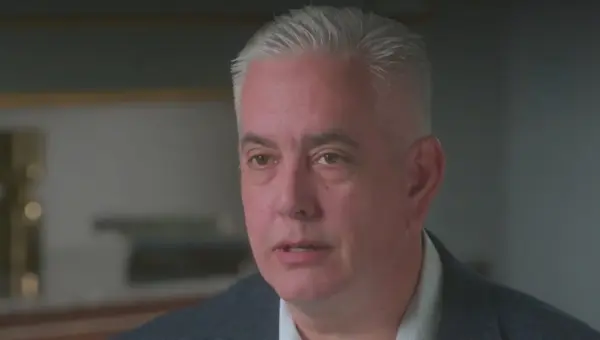
San Francisco's approach to drug addiction, known as harm reduction, is facing intense scrutiny. Critics argue that policies have enabled open drug dealing and use, leading to devastating consequences for addicts and the city. Former addicts highlight the lack of accountability in current programs.

San Francisco’s ‘Cartel Alley’ Exposes Progressive Policy Failures
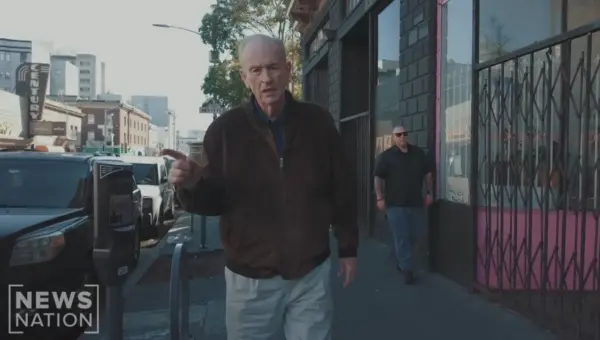
San Francisco's Tenderloin district, known as 'Cartel Alley,' faces a severe crisis fueled by rampant drug use, crime, and homelessness. The report links these issues to a lack of law enforcement and progressive policies like Proposition 47, which critics argue have weakened the justice system. City welfare payments are also cited as a factor drawing addicts, creating a cycle of despair and crime that has driven businesses away.