SEO Firms Game AI Search with Self-Serving Lists
SEO firms are creating biased listicles and making big promises to get clients noticed in AI search results. While a gold rush is on, experts question if AI search can truly be gamed like traditional Google searches.

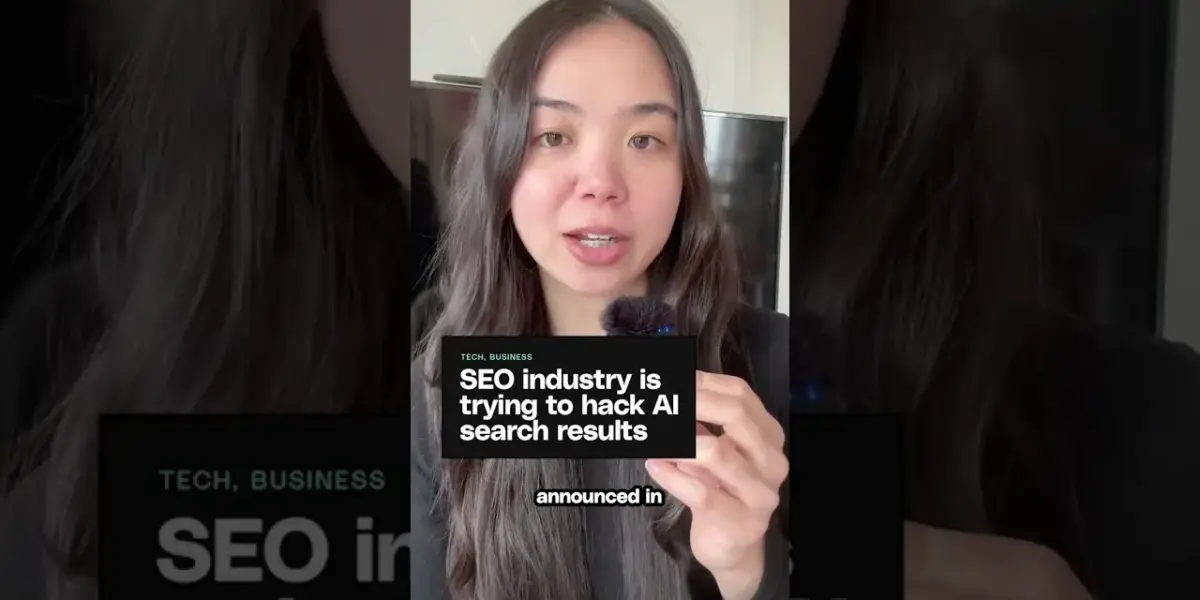
SEO’s New Frontier: Hacking AI Search Results
The world of online search is changing fast. OpenAI’s move to add ads to ChatGPT sparked user outrage earlier this year. While many focused on the ad size, the deeper issue was feeling like a private search space was invaded by brands. The truth is, this shift towards AI-powered search has been building for a while.
The Search Engine Optimization (SEO) industry, which helps websites rank higher on search engines like Google, is now scrambling to adapt. People are searching for information in new ways, using tools like Google’s AI Overviews and ChatGPT. This means SEO strategies must evolve to fit these new platforms.
The Rise of the Biased Listicles
One strategy becoming common is the creation of listicles, but with a twist. Companies across various sectors, from software and clothing to SEO services themselves, are publishing lists that rank and review different brands in their field. The goal is to get noticed by AI search tools, which seem to favor this format because it’s easy to pull information from.
However, a closer look reveals a clear bias. In almost every case, the company publishing the listicle places itself at the very top, recommending its own brand as the best option. These are not objective reviews; they are carefully crafted pieces designed to influence AI search results. It’s like a chef recommending their own restaurant as the best in town.
Big Promises, Uncertain Results
Many SEO firms are now making bold claims about their ability to boost visibility in AI search. They are using new buzzwords and tactics to convince brands to sign up for their services or buy their software. Some are even raising significant amounts of money, promising clients they can get them mentioned more often in AI search results. This has created a gold rush in the AI SEO space.
But there’s a catch. Some experts are warning that AI search results might not be as easily manipulated as traditional Google searches. The algorithms are different, and what worked before might not work now. It’s a bit like trying to use an old map to navigate a brand-new city; the landmarks might be gone.
Who Should Care?
This development is crucial for businesses that rely on online visibility. If your company depends on people finding you through search engines, you need to understand how AI search is changing the game. Marketers and business owners should be wary of overly optimistic promises from SEO firms. Instead, focus on creating valuable, trustworthy content that AI can genuinely understand and recommend based on merit, not just placement on a self-serving list.
Consumers also have a stake in this. As AI search becomes more common, it’s important to be aware that the information presented might be influenced by SEO tactics. Critical thinking is key to discerning genuine recommendations from paid placements or manipulated rankings.
The Verdict So Far
While the SEO industry is actively trying to adapt and influence AI search, the long-term effectiveness of these tactics remains uncertain. The promise of getting ahead in AI search has sparked a flurry of investment and activity, but the core principles of providing genuine value and accurate information will likely remain important. It’s a developing story, and only time will tell if these new SEO strategies will truly succeed or simply fade away like a poorly optimized webpage.
Specs & Key Features
- AI Search Integration: Focus on influencing results from tools like Google AI Overviews and ChatGPT.
- Listicle Strategy: Creation of ranked lists that often feature the publishing company at the top.
- New SEO Tactics: Use of evolving terminology and methods to attract clients.
- Investment Activity: Significant funding raised by firms promising AI search visibility.
- Expert Skepticism: Warnings that AI search may be harder to manipulate than traditional search.
Source: SEO industry is trying to hack AI search results (YouTube)

Related Articles


How to Attract High-Paying Clients with Niche Content
Learn how to attract high-paying clients by creating content that solves complex, niche problems for large businesses. Move beyond popular keywords to target valuable enterprise-level opportunities.


OpenAI Bets Big on ‘Super App’ with New ChatGPT Features
OpenAI is pushing ChatGPT towards becoming an AI 'super app' with new features like location sharing and improved document handling. Google is enhancing its Gemini with faster voice interaction and multi-modal capabilities. These updates signal a trend towards integrated AI platforms.


Boost Your Brand’s Visibility with ChatGPT Today
Learn how to make ChatGPT and other AI models recognize your brand by focusing on recent activity and consistent online mentions. This guide provides actionable steps to boost your brand's visibility in the current digital landscape.