SEND Reforms Spark Outrage: Fears Grow Over Removal of Crucial Support for Vulnerable Children
Controversial new SEND reforms in England could see vital support removed for children with special needs during critical school transitions. Experts warn this is 'madness' and could undermine legal rights, despite government promises of increased funding and mainstream inclusivity.

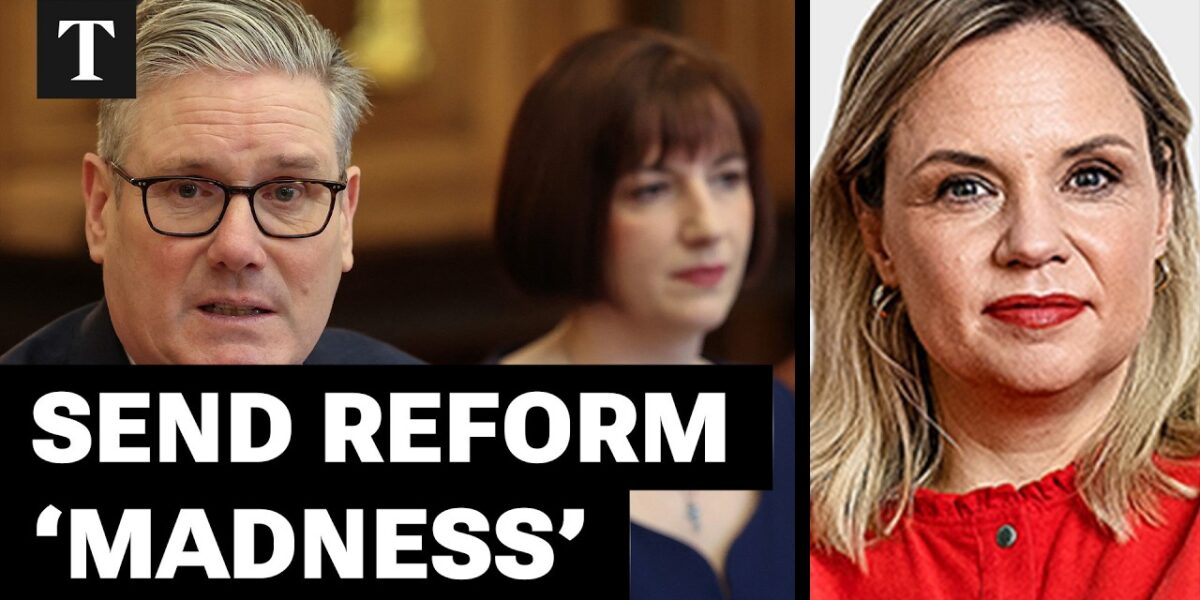
Controversial SEND Reforms: A ‘Madness’ Threatening Support for Children with Special Needs
New government plans aimed at reforming the Special Educational Needs and Disabilities (SEND) system in England have ignited fierce debate and widespread concern, particularly among parents, educators, and advocates. At the heart of the controversy are proposals that could see Education, Health, and Care Plans (EHCPs) – the legal documents safeguarding support for children with SEND – potentially removed during critical transition periods, such as the move from primary to secondary school. Experts and parents are decrying these potential changes as “madness” and “really concerning,” arguing that stripping away vital support at such a crucial juncture could have devastating consequences for young people with additional needs.
The Current SEND Landscape: A System Under Strain
The current SEND system in England is widely acknowledged to be in crisis. With nearly 1.7 million children identified as having SEND, state education often struggles to adequately meet their diverse needs. This has led to a “massive postcode lottery,” as described by Schools Minister Nick Gibb, where the quality and availability of provision vary dramatically across different local authorities. The government has pledged billions of pounds to enhance inclusivity in mainstream schools for pupils with SEND, aiming to ensure consistent, high-quality provision and prevent private equity firms from profiting from vulnerable children. This funding, the government states, will be reinvested directly into proposed improvements.
EHCPs Under Threat: A ‘Worst Possible Time’ for Support Removal
One of the most incendiary elements of the emerging reform plans is the potential for local authorities to revoke EHCPs at key transition points. Jessie Hewitson, a columnist for The Times and Sunday Times known for her “SEND agony aunt” column and her experience as a mother to two neurodivergent children, expressed profound alarm over this aspect of the reforms. “For anyone that knows anything about special educational needs, that’s madness and it’s really concerning,” Hewitson stated. “The transition from primary to secondary is a really crucial, difficult time for young people with additional needs. And so to talk about taking away support at that time really is probably the worst time possible to take it away.”
Hewitson elaborated on the immense challenges families face, citing a recent case of a six-year-old nonverbal autistic child with ADHD who still wears nappies in Year 1. The child’s parent uses restraints due to fears of the child running into the road. Despite the clear indication that this child would benefit from a specialist setting, the local authority reportedly placed them in mainstream education due to cost-saving measures, exacerbated by the mother’s mental health issues. This example underscores a central criticism of the current system: that major decisions about children’s educational pathways are being driven by financial considerations rather than the child’s best interests or legal mandates.
Mainstream Inclusivity: A Noble Goal with Practical Hurdles
The government’s strategy includes a significant investment in making mainstream schools more inclusive, with plans to train all teachers in SEND. However, Hewitson questions the realism of this approach. “It doesn’t make sense as a concept without significant investment in this area and also significant oversight and support of schools,” she argued. While acknowledging that some announced measures might be encouraging, the fundamental issue of oversight remains. Hewitson suggested that the Department for Education (DfE), having “broken the system,” is now asking for trust while attempting to fix it. This sentiment is amplified by the fact that Ministry of Justice data reveals parents win 98% of legal challenges against local authorities regarding SEND decisions, indicating a widespread failure of the system to comply with the law. The proposed reforms, which may grant local authorities more control, raise serious questions about whether accountability and oversight will be strengthened or weakened.
The Overdiagnosis Debate: Perception vs. Reality
A persistent debate surrounding SEND is whether the conditions are overdiagnosed, a perception that can impact public opinion and political will. Hewitson addressed this, acknowledging that while there might be evidence supporting both overdiagnosis and underdiagnosis, the evidence for underdiagnosis appears more robust. “My reading of it is the evidence showing that under diagnosis is the real issue is far more robust and stronger,” she stated. She pointed to improved identification of conditions like autism and ADHD in girls and non-white children, and those who do not exhibit disruptive classroom behaviour, suggesting that these neurodevelopmental differences may simply be more common than previously understood, rather than a surge in “overdiagnosis” driven by parents seeking special treatment.
Political Minefield and Potential for ‘Culture War’
Given the existing cost pressures on the education system, the SEND reforms are inherently politically contentious. Hewitson expressed concern that the plans could devolve into another “political culture war.” The fact that Prime Minister Rishi Sunak penned an opinion piece in The Times, referencing his brother’s personal experience with learning difficulties, suggests the government is acutely aware of the potential backlash and is attempting to frame the reforms in a more personal and empathetic light. Local MPs report that SEND issues are among the most time-consuming matters they deal with, as desperate parents turn to them for help. While the government aims to present these reforms as a necessary fix for a broken system, many fear they represent a rollback of legal rights for disabled children that may prove difficult to reinstate.
A Human Element in Policy-Making
Mark Lloy, a commentator, noted that Prime Minister Sunak’s article about his brother, Nick, who had learning difficulties stemming from birth complications, serves to humanize the Prime Minister and potentially bolster support for the reforms. “I think when politicians are trying to push something through with reforms, putting a human side to him and he obviously talking about his brother’s experience help humanize the Prime Minister himself and will probably help him push through these reforms,” Lloy observed.
The proposed SEND reforms are at a critical juncture, facing both hope for improvement and deep-seated fear of diminished support. The coming weeks will reveal the full scope of the government’s plans and the extent to which they will address the systemic failures while safeguarding the rights and needs of England’s most vulnerable children.
For those seeking advice, Jessie Hewitson’s “SEND agony aunt” column appears twice a month in The Times. Readers can submit questions to sendforhelps@thetimes.co.uk.
Source: Send Reforms: Plans To Remove EHCPs During Transition Points ‘Really Concerning’ | Jessie Hewitson (YouTube)

Related Articles


UK Overhauls Special Education System: Major Reforms Announced
England is implementing a major overhaul of its Special Educational Needs (SEN) system, backed by £4 billion in funding. The reforms aim to create a more inclusive mainstream education by phasing out Education, Health, and Care Plans (EHCPs) for many and introducing a tiered support system, while addressing financial pressures on local authorities.


Labour Eyes Shock By-Election Win as Royal Scandal and SEND Reforms Dominate Political Landscape
Senior Labour figures are expressing unprecedented confidence in winning the Gorton and Denton by-election, defying typical 'expectation management' strategies. Meanwhile, parliamentary rules are being tested by the Prince Andrew scandal, and the government faces scrutiny over its SEND reforms.


Trump Threatens “Unseen” Force on Iran After Leader’s Death
Following the assassination of Supreme Leader Ayatollah Ali Khamenei, U.S. President Donald Trump has vowed to unleash unprecedented force on Iran. While outlining ambitious goals including regime change, experts express skepticism about the effectiveness of airstrikes and the potential for popular uprising against a resilient Iranian government.