Senator’s War Talk Contrasts Sharply with Disneyland Trip
Senator Lindsey Graham's strong calls for military action in the Middle East are drawing sharp criticism, especially due to his reported visit to Disneyland. Critics argue this highlights a disconnect between political rhetoric and the human cost of war, raising questions about leadership priorities and generational impact.

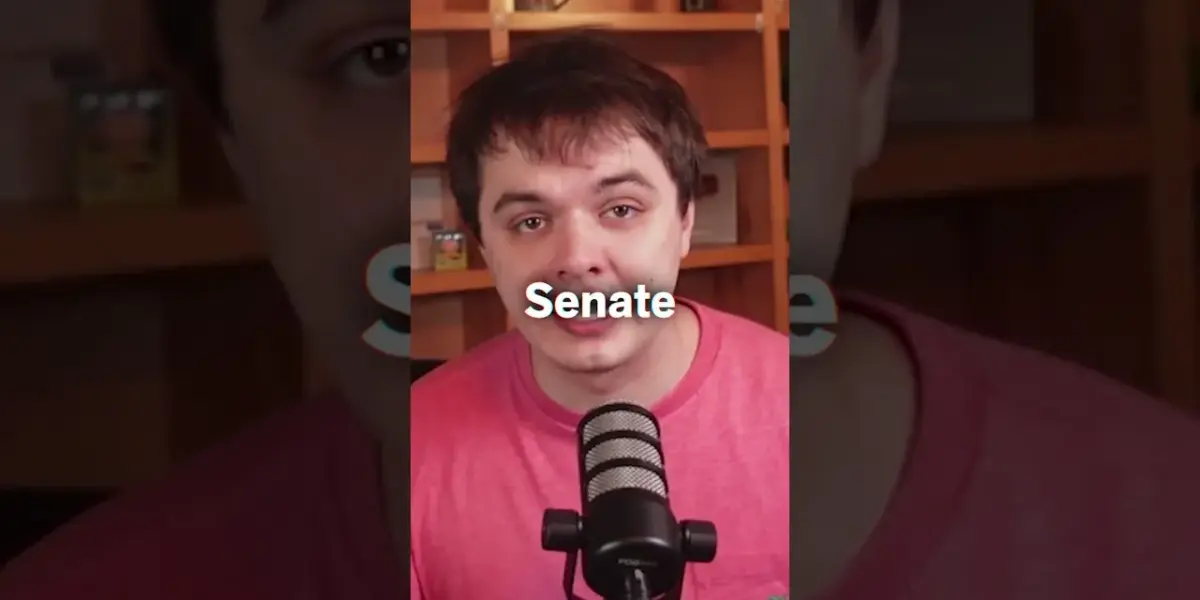
Senator’s War Talk Contrasts Sharply with Disneyland Trip
Senator Lindsey Graham’s recent public statements about sending young Americans to war in the Middle East have sparked widespread criticism. This is especially true when contrasted with his reported visit to Disneyland during a period of intense political debate and potential military action. Critics argue this highlights a disconnect between political leaders and the real-world consequences of their decisions.
Calls for Military Action
During a visit back to his home state of South Carolina, Senator Graham urged citizens to consider the conflicts in the Middle East as their own fight. He used strong language, stating, “This is my fight, too.” He also made aggressive remarks about potential military action, saying, “We’re going to blow the hell out of these people. This regime is in a death row now. It is going to be on its knees.” These statements have led some to label him a “warmonger,” pointing to instances where he has been reportedly booed in his home state.
Criticism of Priorities
The timing of Graham’s reported trip to Disneyland, while discussing military engagement and during a critical legislative period, has drawn significant backlash. Critics view this as a sign that he is not taking the potential human cost of war seriously. The idea that he would take time off from his senatorial duties to visit a theme park, especially before crucial funding measures were fully secured, has been called “offensive.” This includes the funding for the Transportation Security Administration (TSA), a vital security service.
Political Maneuvering and Funding Debates
The transcript also touches upon the legislative process, specifically mentioning the Senate’s actions versus the House of Representatives. It suggests that while the Senate may have fulfilled its role on certain issues, Senator Graham’s departure might have been strategic. The implication is that he left knowing the House, particularly with Republican opposition, might block measures passed by the Senate. This raises questions about political priorities and whether certain parties are genuinely committed to national security or using funding debates for political advantage.
Generational Impact and Future Outlook
A significant concern raised by critics is the impact of endless wars on younger generations. The argument is that leaders like Graham are “mortgaging my generation’s future with another endless war.” This refers to the long-term economic and human costs associated with prolonged military conflicts. The debate highlights a growing generational divide in perspectives on foreign policy and military intervention. Younger people often express a desire for diplomatic solutions and question the repeated commitment of resources and lives to overseas conflicts.
Historical Context
Discussions about military intervention and the role of politicians in advocating for war have a long history in the United States. Following major conflicts, there are often periods of intense debate about American foreign policy. The sentiment expressed by critics echoes concerns raised in the past about leaders who appear detached from the realities faced by those who serve in the military or are affected by conflict. The contrast between the gravity of war and personal leisure activities has frequently been a point of public contention.
Why This Matters
This situation matters because it speaks to the core of public trust and accountability in elected officials. When leaders advocate for actions that carry immense human and financial costs, their personal conduct and apparent priorities are scrutinized. The perception that a senator might prioritize personal enjoyment over pressing national issues, especially those involving potential loss of life, erodes public confidence. It raises important questions about leadership, responsibility, and the values that should guide our nation’s foreign policy decisions. The disconnect between advocating for war and enjoying a vacation highlights a perceived lack of empathy and a potential detachment from the consequences of policy.
Implications and Trends
The incident reflects a broader trend of political polarization and public skepticism towards established political figures. The ease with which information, including contrasting images of public figures, can be shared online means that such perceived hypocrisies are quickly amplified. This contributes to a growing demand for transparency and authenticity from leaders. It also suggests a potential shift in how the public views the personal lives of politicians, especially when those lives appear to contradict their public stances on serious matters.
Future Outlook
Looking ahead, politicians may face even greater scrutiny regarding their public statements and personal actions. The amplification of such contrasts through social media will likely continue to hold them accountable. There may be an increased public demand for leaders who demonstrate a clear understanding of the sacrifices involved in military service and who prioritize legislative duties with consistent focus. The debate also points to an ongoing need for thoughtful discussion about when and why the United States should engage in military action, ensuring that such decisions are made with full consideration of all consequences.
Source: Lindsey Graham Says Send Kids to War… While he's at Disneyland #politics #fyp #new (YouTube)

Related Articles

Trump’s Ego: Did War Games Warn of Iran Trap?
Military war games likely warned President Trump about the risks of confronting Iran, including potential control of key shipping lanes. The concern is that his ego and desire for a quick victory may have overridden these strategic warnings, potentially leading to an unfavorable outcome.

Midterms Loom: Trump Faces Political Storm Amid Foreign Policy Woes
As the U.S. heads into midterm elections, Donald Trump faces political headwinds. Concerns over costly foreign wars, domestic economic issues, and shifting public trust could weaken his influence. The outcome of the midterms may determine his ability to navigate potential legal challenges and shape future policy.
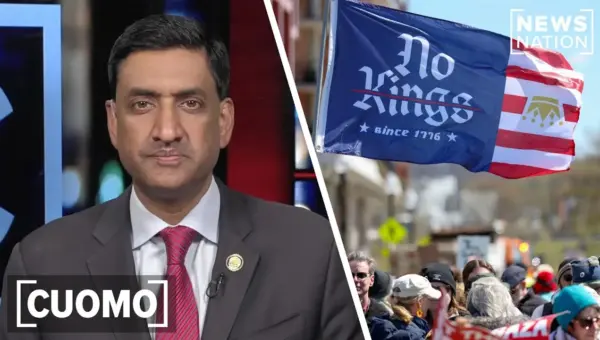
Trump’s War Focus Alienates MAGA Base, Fuels Protests
Frustration is mounting as President Trump's focus on foreign wars clashes with domestic needs and promises to his MAGA base. Protests like 'No Kings' highlight public anger over war spending, rising costs, and neglected issues, while Democrats seek common ground on practical solutions.