Senator’s War Rhetoric Sparks Outrage Over Stolen Valor Claims
Senator Markwayne Mullin's vivid description of war on Fox News has drawn accusations of "stolen valor" from critics who note his lack of military service. The controversy highlights concerns about authenticity in political discourse and respect for veterans' experiences.

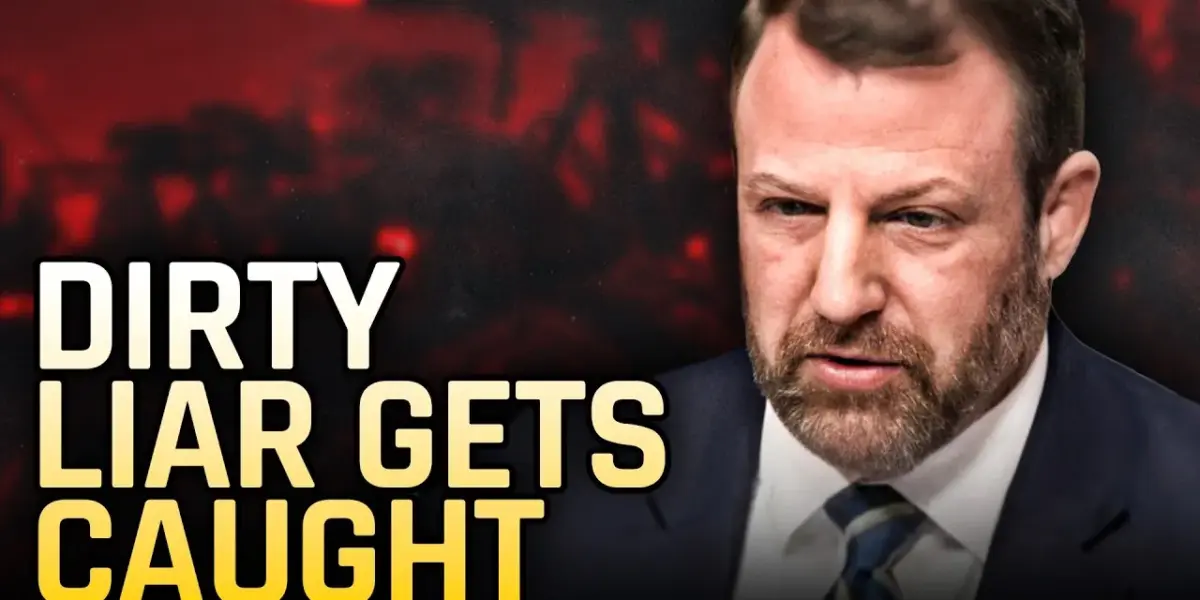
Senator’s War Rhetoric Sparks Outrage Over Stolen Valor Claims
In a recent appearance on Fox News, Republican Senator Markwayne Mullin delivered a powerful, albeit controversial, statement on the nature of war. While defending the administration’s actions concerning Iran, Mullin invoked visceral imagery, stating, “War is ugly. It smells bad. And if anybody has ever been there and been able to smell the war that’s happening around you and taste it and feel it in your nostrils and hear it, it’s something that you’ll never forget. And it’s ugly.” This evocative description, intended to convey the grim realities of conflict, has instead ignited a firestorm of criticism, with Mullin being accused of appropriating the experiences of military veterans and engaging in what is commonly referred to as “stolen valor.”
The Accusation of Stolen Valor
The core of the controversy lies in the assertion that Senator Mullin, who has never served in the U.S. military, is presenting himself as having firsthand knowledge of combat experiences. Critics point out that Mullin’s professional background is in plumbing, having taken over his father’s plumbing business. The argument posits that while plumbing involves its own set of challenges, it does not equate to the life-or-death situations, the sensory overload, and the profound emotional toll of being on a battlefield. The claim is that Mullin is attempting to leverage the gravitas and respect associated with military service without having earned it, thereby diminishing the actual experiences of those who have served.
“The only thing throughout Mark Wayne Mullen’s career that’s gotten stuck in his nostrils and smelled bad and been ugly are the pipes that he cleaned as a plumber when he was handed his father’s plumbing business,” one critic sharply remarked, highlighting the perceived disconnect between Mullin’s rhetoric and his personal history. The sentiment is that Mullin’s attempts to speak with authority on war are disingenuous, especially when juxtaposed with his background. For those who have experienced the horrors of war, such pronouncements can feel like an insult, a trivialization of their sacrifices and trauma.
A Question of Timing and Opportunity
Further fueling the criticism is the timing of Mullin’s comments and his personal history regarding military service. The transcript notes that Mullin was of prime age to enlist in the military following the September 11th attacks. At 24 years old, he was in a demographic that saw many Americans volunteer for service. Instead, Mullin chose to continue and expand his family’s plumbing and construction business. While building a successful business is a legitimate and valuable endeavor, critics argue that this choice stands in stark contrast to his current attempts to speak with the authority of a combat veteran.
The narrative presented is that Mullin benefited from a privileged path, inheriting a business that provided him with financial security and the opportunity to build further wealth, which ultimately facilitated his political career. The transcript also touches upon a significant increase in his net worth after entering the Senate, raising questions about financial transparency, though this point is secondary to the primary accusation of stolen valor.
The Broader Political Context
This incident is framed within a larger pattern of behavior observed among some Republican politicians, characterized as “cosplaying as these tough guy superhero, you know, super soldiers.” The criticism suggests a trend where politicians, particularly those who have not served in the military, adopt a militaristic persona and rhetoric to appeal to voters, often without a deep understanding of the issues they claim to champion. This approach, according to critics, is a form of political theater that exploits patriotic sentiment for electoral gain.
Education and Public Service
An additional detail brought to light concerns Senator Mullin’s educational background. He is noted as being the only sitting U.S. Senator without at least a bachelor’s degree, holding an associate’s degree instead. While the transcript acknowledges that formal education does not equate to intelligence or capability, it is presented as another facet of Mullin’s public profile that has drawn attention amidst the controversy. The implication, though not explicitly stated as a direct link to the stolen valor accusation, is that his background in both formal education and military service is distinct from that of many of his colleagues.
Why This Matters
The controversy surrounding Senator Mullin’s remarks raises critical questions about authenticity, representation, and the responsible use of rhetoric, especially concerning matters of war and national security.
- Authenticity and Trust: When public figures, particularly elected officials, use language that evokes experiences they have not personally had, it can erode public trust. Veterans often feel that their sacrifices are being trivialized or co-opted for political gain. Authenticity in political discourse is crucial for building a connection with constituents and for making informed policy decisions.
- The Nature of Political Discourse: The incident highlights a broader trend in political communication where emotional appeals and strong, sometimes exaggerated, personal narratives are used to sway public opinion. The use of military imagery and rhetoric by non-veterans, especially in the context of advocating for military action, demands scrutiny.
- Respect for Service: The accusation of stolen valor is not merely about words; it’s about the deep respect and honor accorded to those who have served in the armed forces. When individuals are perceived as exploiting this respect for personal or political advantage, it can be deeply offensive to the veteran community and to those who value military service.
Implications, Trends, and Future Outlook
The public’s reaction to Senator Mullin’s comments suggests a growing awareness and sensitivity to issues of stolen valor. As more information becomes readily accessible through digital platforms, citizens are better equipped to scrutinize the backgrounds and statements of their elected officials. This increased transparency can lead to greater accountability.
The trend of politicians adopting strong, often militaristic, personas is likely to continue, especially in times of geopolitical tension. However, the backlash against perceived inauthenticity may also lead to a more nuanced approach. Politicians may face greater pressure to align their rhetoric with their actual experiences and qualifications.
Looking ahead, the debate over Senator Mullin’s statements serves as a reminder of the importance of earned authority and the ethical considerations in political communication. The public’s demand for genuine representation and respect for those who have served will likely shape future political discourse, pushing for a more substantive connection between politicians’ words and their lived realities.
Historical Context and Background
The concept of “stolen valor” is not new. Throughout history, individuals have been known to falsely claim military service or heroic deeds for personal gain, recognition, or political advantage. In the United States, particularly in the context of patriotism and national service, military accolades carry significant weight. Laws have been enacted, such as the Stolen Valor Act, to protect the integrity of military honors by penalizing those who falsely wear military decorations or claim to have received them.
The post-9/11 era saw a surge in national pride and a renewed focus on military service. This environment, while fostering support for veterans, also created opportunities for individuals to capitalize on patriotic sentiment, sometimes through misrepresentation. Politicians, in particular, have often invoked their own or their family’s military service as a way to connect with voters and project an image of strength and patriotism. When these claims are found to be exaggerated or fabricated, the backlash can be severe, as it undermines the very values they seek to represent.
Senator Mullin’s case, while specific in its details, taps into this long-standing societal value placed on military service and the deep offense taken when that service is perceived as being misrepresented or exploited. It underscores the ongoing tension between political rhetoric and verifiable personal history in the public sphere.
Source: Markwayne Mullin BLASTED For Pretending To Be A Veteran (YouTube)

Related Articles

Trump Ousts Homeland Security Chief; War With Iran Intensifies
President Trump has ousted Homeland Security Secretary Kristi Noem, tapping Oklahoma Senator Markwayne Mullin as her replacement amidst a backdrop of escalating war with Iran and market turmoil. The dismissal follows mounting frustrations over Noem's handling of controversial ad campaigns and leadership failures. Meanwhile, the conflict in the Middle East intensifies, with rising oil prices and significant questions surrounding U.S. strategy.


Trump Fires DHS Secretary, Names Successor Amidst Controversy
President Trump has fired Homeland Security Secretary Kristi Noem, replacing her with Senator Markwayne Mullin. The dismissal follows controversy over border security campaigns and allegations of infidelity. Meanwhile, Defense Secretary Lloyd Austin commented on Iran's regional strategy, while the Iranian Foreign Minister discussed ongoing conflicts and military cooperation with Russia and China.
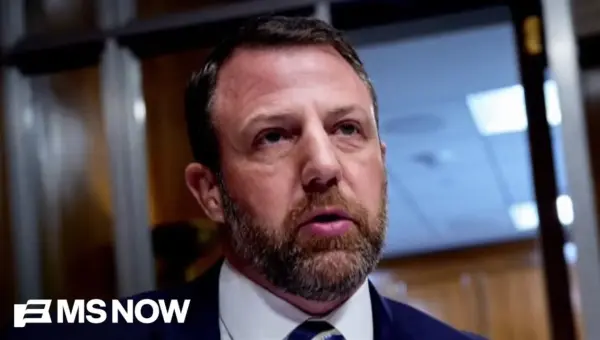
Ex-DHS Staffer: Trump Taps ‘Arsonist’ for Burning Homeland Security Dept.
A former DHS official has likened President Trump's nominee for Homeland Security Secretary, Markwayne Mullin, to an "arsonist" entering a "burning house." The criticism comes amid concerns over the department's credibility, national security vulnerabilities, and Mullin's suitability for the role.