Senator’s Brawl with Marine Exposes War’s Divisive Core
A viral video captures Senator Tim Sheehy's physical confrontation with a Marine protester, sparking debate over war justifications and political accountability. The incident highlights deep divisions regarding U.S. foreign policy and the right to dissent.

Senator’s Brawl with Marine Exposes War’s Divisive Core
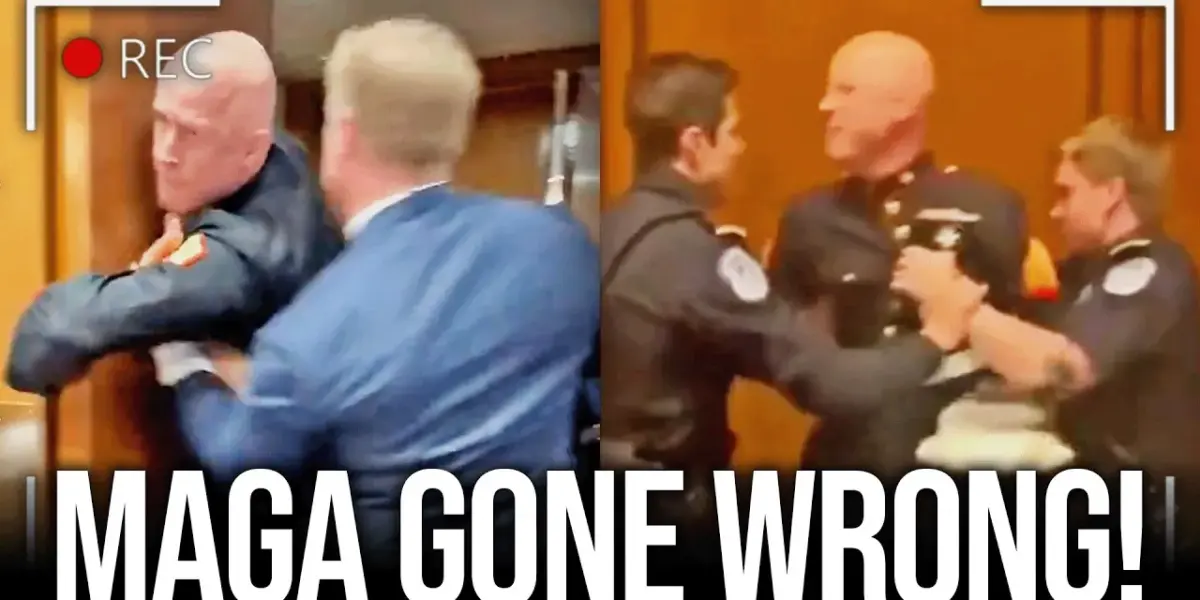
A recent Senate Armed Services Subcommittee meeting, intended to address critical foreign policy issues, devolved into a disturbing physical confrontation that has since gone viral. The incident involved a Marine protester and Senator Tim Sheehy, a MAGA-aligned politician from Montana. The video captures a moment of intense physical struggle, reportedly resulting in the Marine sustaining a broken hand or arm. This event has ignited a broader conversation about the justifications for the ongoing conflict, the role of political rhetoric, and the treatment of dissent within official proceedings.
Unpacking the Incident
The core of the incident appears to stem from a Marine’s attempt to exercise his First Amendment rights and protest the current military engagement in Iran. The transcript suggests the situation escalated when Senator Sheehy became involved, leading to the physical altercation. The visual and auditory evidence from the video, described as “distressing” and featuring a “snapping” sound, underscores the severity of the physical interaction. The commentator expresses shock and dismay, particularly at the idea of a sitting U.S. Senator allegedly causing such an injury to a demonstrator.
Rhetoric and Justifications for Conflict
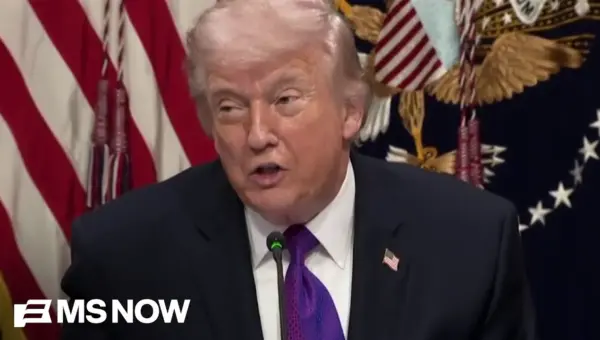
The incident occurs against a backdrop of shifting and often contradictory justifications for the U.S. involvement in Iran. The transcript highlights statements from Donald Trump suggesting the military action was necessary to prevent Iran from acquiring nuclear weapons, asserting that the program has been “completely and totally eviscerated.” However, this narrative is contrasted with past claims that Iran was years away from developing a nuclear weapon, creating a perceived inconsistency. Other justifications cited include statements from Senator Marco Rubio, which were later seemingly retracted, and Senator Sheehy’s framing of the situation as an “ending” to a long-standing conflict rather than the start of a new one. The commentator expresses frustration with the lack of clear, consistent, and, in their view, justifiable reasons for the war, suggesting a sense of arbitrary decision-making.
Senator Sheehy’s Role and Background
Senator Tim Sheehy, identified as a MAGA Republican and a former Navy SEAL, finds himself at the center of the controversy. The commentator notes a lack of familiarity with Sheehy, suggesting it reflects his perceived lack of significant legislative impact. Sheehy’s own account of the incident, shared via tweet, describes the Marine as an “unhinged protester” and claims he intervened to “deescalate the situation.” He expressed hope that the individual would receive help without further violence. This framing has been met with skepticism, with critics questioning why a Senator felt the need to physically intervene and whether his actions constituted an excessive use of force against someone exercising their right to protest.
Further scrutiny has been cast upon Sheehy’s military record. An article mentioned in the transcript raises questions about his discharge from the Navy, suggesting his paperwork indicates a voluntary resignation rather than a medical discharge as he reportedly claimed. This revelation adds another layer of complexity to his public persona and his involvement in the incident.
Broader Discontent and Protest
The Marine’s protest is presented as emblematic of a wider public sentiment against the war. The commentator asserts that a “vast majority of Americans” do not want to be involved in the conflict. This sentiment is echoed by other voices, including Graham Platner, a Senate candidate, who argues that the war is being pushed by foreign interests like Benjamin Netanyahu and the Saudis, who are willing to see American lives expended for their own benefit. The transcript also touches upon speculative theories linking the conflict to political vulnerabilities, such as Donald Trump’s alleged involvement in the Epstein files, suggesting the war could serve as a distraction.
Historical Context and Political Trends
The situation is framed within a broader context of political polarization and the MAGA movement’s approach to foreign policy and veterans. The commentator draws parallels between the current events and past criticisms of the Trump administration’s foreign policy decisions and its approach to federal personnel, including veterans. The perceived disconnect between the MAGA base’s espoused values of supporting veterans and opposing new wars, and the actions of figures like Senator Sheehy, is highlighted as a point of concern. The commentary also references historical patterns of political rhetoric surrounding military action and the use of foreign policy as a means to political ends.
Why This Matters
This incident is significant because it encapsulates several critical issues facing American democracy: the right to protest, the accountability of elected officials, the transparency and justification of foreign military engagements, and the integrity of political discourse. The clash between a concerned citizen exercising free speech and a Senator resorting to physical intervention raises fundamental questions about the boundaries of authority and dissent. Furthermore, the shifting narratives surrounding the war and the scrutiny of political figures’ backgrounds underscore a public demand for clarity and honesty in governance. The event serves as a stark reminder of the deep divisions and intense emotions surrounding U.S. foreign policy and the potential for such conflicts to spill over into domestic political arenas.
Implications, Trends, and Future Outlook
The incident highlights a growing trend of public skepticism towards military interventions, particularly when justifications are perceived as weak or inconsistent. It also points to an increasing willingness among citizens to voice dissent, even within highly controlled environments like congressional hearings. For politicians, it underscores the heightened scrutiny they face, especially those with military backgrounds, where their past actions and statements are subject to rigorous examination. The future outlook suggests a continued demand for accountability from both political leaders and the justifications for U.S. military actions abroad. The willingness of individuals to confront perceived injustices, as exemplified by the Marine’s protest, may become a more prominent feature of political engagement.
Source: MAGA Senator ATTACKS VETERAN… it BACKFIRES! (YouTube)

Related Articles
US War on Iran: Conflicting Reasons, No Clear Plan
The US and Israel have launched significant airstrikes on Iran, but the Trump administration's justifications remain contradictory and unclear. Analysts describe the strategy as "shooting first and aiming later," with no apparent long-term plan for the aftermath, potentially leading to increased regional instability and a more repressive Iranian regime.
Trump Admin Scrambles for Iran War Justification
The Trump administration is facing scrutiny over shifting justifications for military action against Iran, with critics alleging a lack of clear strategy and reliance on "ad hocism." Reports indicate officials struggled to substantiate claims of imminent threats, leading to public skepticism and internal political divisions.


US Escalates Iran War: Sub Sinks Ship, Fears Grow
The U.S. military has escalated its campaign against Iran, launching a historic torpedo strike from a submarine and sinking over 20 enemy vessels. As fears of a wider conflict grow, the Pentagon is accelerating operations, while Washington grapples with a Senate vote against further strikes and shifting public opinion.