Senator Warner Slams Trump’s ‘War of Choice’ in Iran
Senator Mark Warner has strongly criticized the Trump administration's military actions in Iran, calling it a "war of choice" lacking an imminent threat. He highlighted shifting justifications and the failure of Congress to assert its constitutional duties, leaving families of deployed soldiers without clear answers.

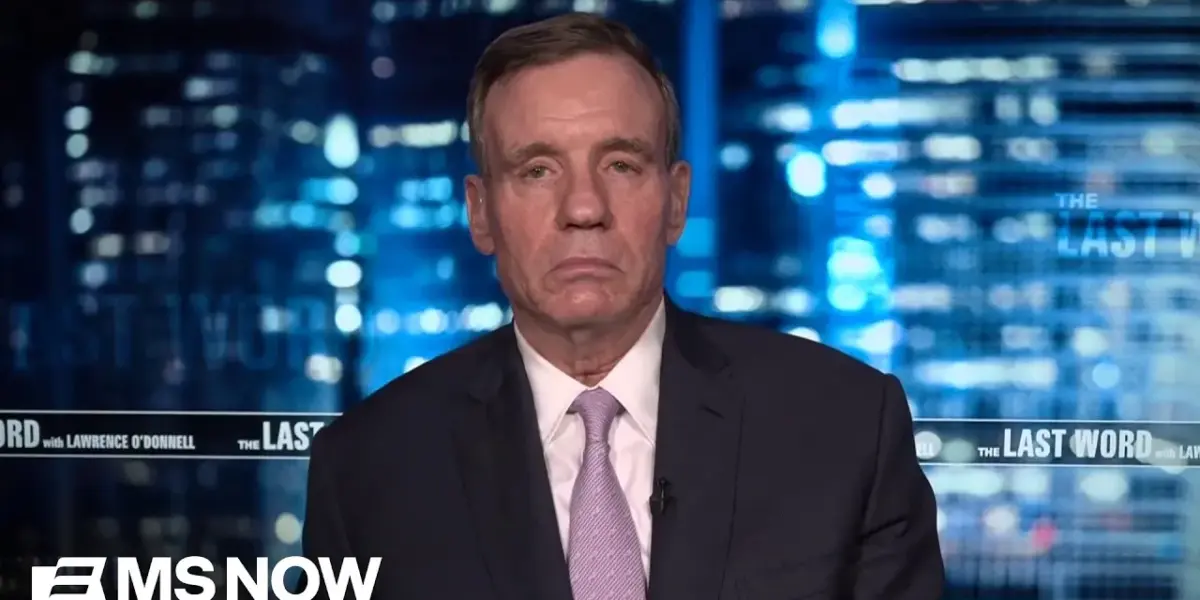
Warner Criticizes Trump Administration’s Justifications for Military Action
Virginia Senator Mark Warner, Vice Chair of the Senate Intelligence Committee, has sharply criticized the Trump administration’s decision to engage in military conflict with Iran, labeling it a “war of choice” with no clear justification or imminent threat to American security. Speaking on a national news program, Warner, who is part of the exclusive “Gang of Eight” privy to the nation’s most sensitive intelligence, stated emphatically that if there were an imminent threat to America, he would be aware of it. “There was no imminent threat,” Warner asserted, highlighting the administration’s shifting explanations for the escalation.
Shifting Rationales and Unanswered Questions
Senator Warner detailed the multiple, inconsistent reasons provided by the Trump administration for initiating the conflict. Initially, the stated objective was to eradicate Iran’s nuclear activities, which the Senator noted had supposedly been “obliterated” months prior. This was followed by a focus on ballistic missiles that might, at some undefined point in the future, pose a threat to America or Israel. More recently, the rationale shifted to eliminating the Iranian navy, a justification Warner stated had never been heard before. The most recent, and perhaps most alarming, explanation offered was regime change.
This shifting narrative, Warner argued, leaves critical questions unanswered, particularly regarding the potential consequences of such a policy. He posed a stark hypothetical: if the U.S. were to encourage Iranian citizens to protest, leading to a violent crackdown by the Iranian military, what would be America’s obligation to those individuals? “We have no answers,” Warner stated, expressing dismay that Congress failed to utilize its constitutional power to draw a line in the sand and demand accountability.
Congressional Duty and Family Concerns
Warner expressed profound disappointment with the Senate’s recent vote, which he characterized as a failure to uphold its basic constitutional duty. The vote, which did not garner a majority to halt the military action, left many families of deployed service members in the dark. Warner recounted a visit to Virginia Beach and Norfolk, where he met with families of sailors aboard the USS Gerald R. Ford, which has been deployed in the region.
“I saw many of their families saying, ‘Why are my sons? I want to give them an answer. They will protect our country. They will do their duty.’ But what is our goal here? And I couldn’t give them give him an answer, and I’m a senior United States Senator. I was embarrassed that I couldn’t give them an answer.”
He lamented that he could not provide these families with a clear objective or justification for their loved ones’ deployment, underscoring the lack of transparency and strategic clarity from the administration. The Senator’s vote in favor of stopping the action reflects his belief that the Commander-in-Chief must present a compelling case to Congress and the American public before initiating hostilities.
Undermining Alliances and National Security
Beyond the immediate deployment, Warner expressed concerns about the long-term implications of the administration’s approach on America’s standing in the world. He pointed to instances where President Trump’s “America First” policy, which he rephrased as “America Alone,” has alienated allies and weakened collective security efforts. He recalled a period in January when European allies, crucial for exerting pressure on the Iranian regime, were unable to focus due to the U.S. carrier group’s deployment to Venezuela, a move Warner attributed to Trump’s “obsessed with his crazy notion about Greenland.”
This perceived unreliability, Warner argued, makes America less safe. He questioned the purpose of putting troops in harm’s way without a clear plan or an imminent threat, especially when even strong supporters of Israel, like himself, saw no immediate danger to the nation. The Senator also raised the possibility of future uprisings in Iran, suggesting that if the regime brutally suppresses its people, America’s previous actions might complicate its ability to respond effectively or ethically.
Intelligence Capabilities and Future Uncertainty
Addressing the practicalities of monitoring events within Iran, Warner acknowledged that the U.S. possesses sophisticated intelligence-gathering capabilities, including satellite surveillance. He also noted that Israeli allies have significant visibility, and European nations, despite strained relations with the current U.S. administration, maintain deeper contacts within Iran due to their continued diplomatic engagement.
However, he expressed concern that these traditional allies are now suspicious of American intentions. This distrust, coupled with instances where leaders of allied nations might deem other global powers more dependable than the United States, paints a grim picture for American influence and security. Warner concluded by reiterating the heartbreak of seeing families grapple with the deployment of their loved ones, especially when the purpose remains unclear and the potential for further casualties looms.
Looking Ahead: The Need for Clarity and Accountability
Senator Warner’s remarks underscore a critical debate in Washington regarding the executive branch’s authority to wage war and the necessity of congressional oversight. The lack of a clear, consistent justification for the military action in Iran, coupled with the human cost to American service members and the potential erosion of international alliances, raises serious questions about the administration’s foreign policy strategy. As the situation evolves, the focus will likely remain on whether the administration can articulate a coherent plan and objective, and whether Congress will assert its constitutional role in matters of war and peace.
Source: 'This is a war of choice': Top Intel Dem Warner torches Trump for making America 'less safe' (YouTube)

Related Articles

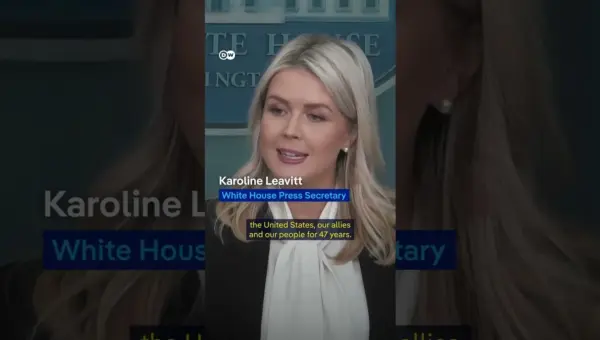
Senate Blocks War Powers Curbs on Trump’s Iran Strikes
The U.S. Senate has rejected a measure that would have limited President Trump's war powers concerning military action against Iran. The vote highlights a deep partisan divide, with critics decrying a lack of congressional debate and public input on the escalating conflict.
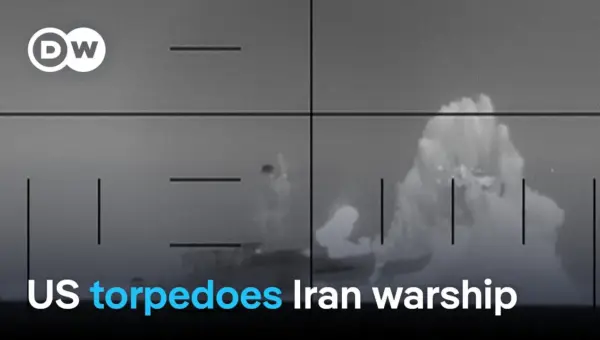
US Sub Torpedoes Iranian Warship in Historic First Since WWII
A US submarine has torpedoed an Iranian warship in the Indian Ocean, the first such attack since WWII, signaling a dramatic expansion of the conflict. The strike highlights Iran's degraded naval and air capabilities and the US intent to project power globally.

AG Bondi Subpoenaed: Epstein Cover-Up Grinds into Congressional Spotlight
Former Florida AG Pam Bondi is subpoenaed by Congress over the Justice Department's handling of Epstein records. This development, alongside Supreme Court rulings on tariffs and redistricting, highlights ongoing battles for transparency and accountability in American law and politics.