Senator Warner: No Imminent Threat Justified U.S. Strikes on Iran
Senator Mark Warner has asserted that intelligence presented to him did not indicate an imminent threat to the U.S. that would justify military strikes against Iran. He described the engagement as a "war of choice" by the Trump administration, challenging the official narrative and highlighting concerns for American citizens in the region.

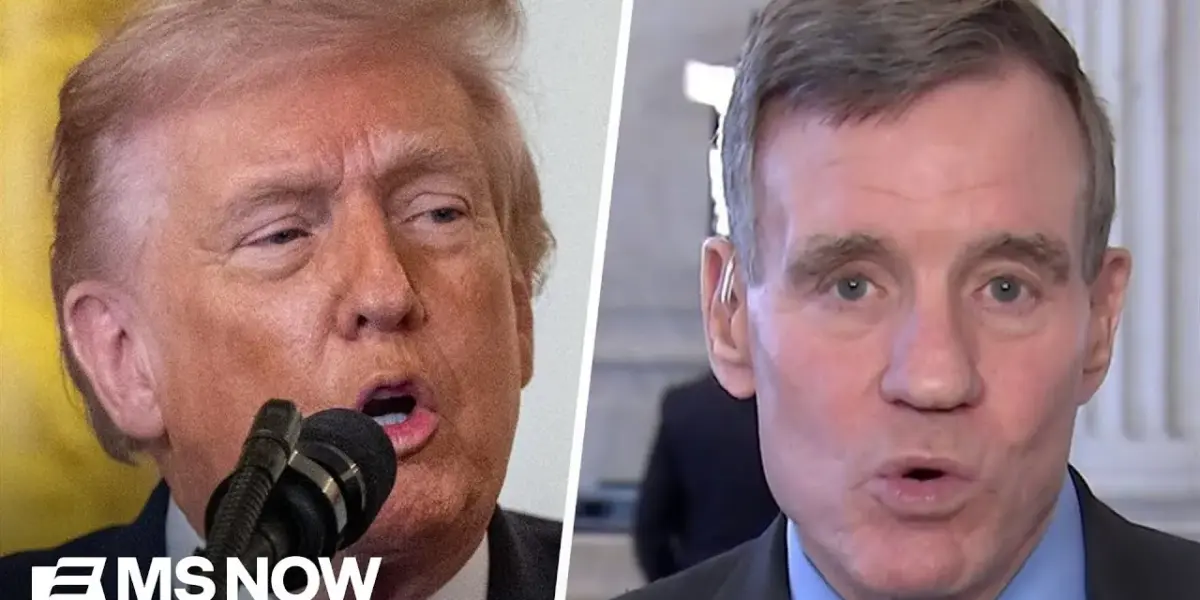
Senator Warner Challenges Justification for U.S. Strikes on Iran
WASHINGTON D.C. – Senator Mark Warner has publicly stated that the intelligence presented to him and other high-ranking officials did not support the existence of an imminent threat to the United States that would warrant military strikes against Iran. Speaking after a “Gang of Eight” briefing, Warner asserted that the decision to engage militarily was a “war of choice” initiated by the Trump administration, not a necessary response to an immediate danger.
Challenging Official Narratives
Warner directly contradicted statements suggesting Iran posed an immediate threat that necessitated preemptive action. “There was no imminent threat to the United States that I believe would constitute putting our sailors and soldiers in harm’s way,” Warner stated emphatically. He elaborated on the concerns of military families, noting his visit to Virginia Beach and Norfolk, where family members of deployed personnel on the USS Ford and other ships expressed distress over the escalating tensions.
The Senator also questioned the administration’s claim that the U.S. was forced into the conflict. “The idea that we, as the most powerful country in the world, couldn’t tell our strong ally – and I’m supportive of Israel consistently – to either hold off on striking or say to the Iranians that if Israel strikes, we won’t be involved, that somehow we WE WERE FORCED INTO THIS BY OTHERS, TOTALLY FALSE,” Warner declared. He characterized the engagement as a deliberate choice made by the administration.
Shifting Justifications for Military Action
Warner highlighted the evolving and, in his view, inconsistent explanations provided by the administration for the military actions. He listed several different stated goals that have emerged, including eliminating Iran’s nuclear capabilities, which he noted President Trump had claimed were already “obliterated” nine months prior. Another justification mentioned was targeting Iran’s ballistic missile program, described as a “growing threat but not imminent.” A new reason, taking out specific Iranian capabilities, was reportedly introduced during the recent briefing.
A fourth rationale offered was regime change. Warner expressed skepticism about this objective, particularly concerning the potential consequences. “If he calls out the Iranian people to try to take over their government, and 100,000 Iranians show up on the streets of Tehran. And the IRGC, the Iranian military, shoots 5,000 of them, 10,000 of them, 20,000 of them. Does America now have an obligation to come and protect those protesters after they’ve responded to the president’s call?” he questioned, pointing to the potential for a deeper, more complex entanglement.
Concerns for Americans in the Region
Beyond the strategic and political justifications, Warner raised serious concerns about the safety of American citizens residing and working in the Middle East. He questioned why timely warnings were not issued to the hundreds of thousands of Americans in the region who were desperately trying to evacuate. “My office has gotten dozens and dozens of calls of folks in Israel, Saudi, U.A.E. saying how in the heck do we get out of the region? And they have no answer to give them yet,” Warner revealed.
He dismissed the potential counterargument that maintaining an “element of surprise” necessitated withholding warnings. “How can you maintain the element of surprise when you’re moving all of the assets to the region. You’ve already blown it in that respect, why not tell the Americans to get out?” he argued.
The interview also touched upon unconfirmed reports of a U.S. consulate being hit in Dubai, a situation Warner had not yet heard about but stated he was “not surprised” given the circumstances. He referenced the loss of six soldiers and the president’s own acknowledgment of potential for “many more casualties,” underscoring the grave risks faced by American personnel and civilians.
Historical Context and Lack of Visibility
Warner delved into the historical context of U.S. involvement in Iran, referencing the 1953 CIA-backed coup that he argued ultimately contributed to the rise of the anti-American religious state. He noted that the CIA’s visibility into Iran’s internal dynamics, particularly its opposition movements, is limited.
“We have so little visibility into what the Iranian resistance looks like. The regime is hated. Yes, that is true,” Warner acknowledged. However, he expressed a lack of understanding regarding the current state and organization of the opposition, contrasting it with situations in other countries like Venezuela or Syria. He described Iran as a “closed society that is the police state, that is a terrorist state,” making intelligence gathering challenging.
The Senator also pointed out that even European allies, who might possess greater visibility due to their proximity and engagement, are hesitant to fully cooperate due to concerns over the current administration’s actions, including its impact on NATO. This lack of unified international support and intelligence sharing further complicates the situation, leaving the U.S. and potentially Israel facing the challenge largely alone, without clear objectives or a robust plan for protecting American interests and lives in the region.
Looking Ahead
Senator Warner’s statements cast a shadow of doubt over the official justifications for the military escalation with Iran, framing it as a self-initiated conflict rather than a defensive necessity. The lack of clear objectives, the evolving rationales, and the potential risks to American citizens and military personnel raise critical questions about the administration’s strategy and its implications for regional stability. Future developments will likely focus on the administration’s ability to articulate a coherent strategy, the response from Iran and its allies, and the ongoing efforts to ensure the safety of Americans abroad.
Source: Sen. Warner on Iran: 'There was no imminent threat to the U.S.' to constitute strikes (YouTube)

Related Articles
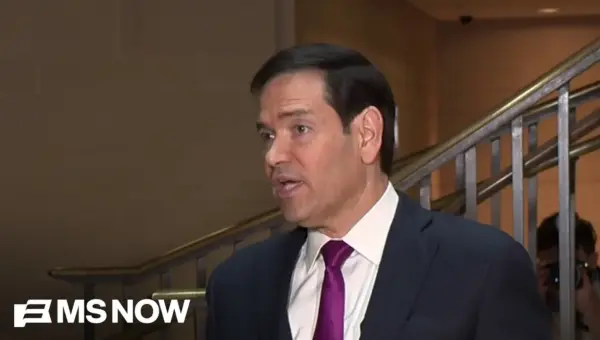
US Dragged Into Iran War: Critics Slam Trump, Rubio Over Justifications
Critics are questioning the U.S. entry into military conflict with Iran, citing a lack of clear objectives and intelligence discrepancies. Revelations suggest Israel may have influenced the decision, leading to bipartisan backlash and concerns about American citizens stranded in the Middle East.
MAGA Influencers Clash Over Israel’s Role in Trump’s Iran Standoff
Prominent MAGA influencers are publicly clashing over the extent to which Israel's foreign policy influenced Donald Trump's decisions regarding Iran. Senator Marco Rubio's statements have ignited a debate, exposing a deep ideological rift within the conservative movement concerning "America First" principles and foreign influence.
US Strikes Iran: Trump Cites Negotiation Failure, Markets Reel
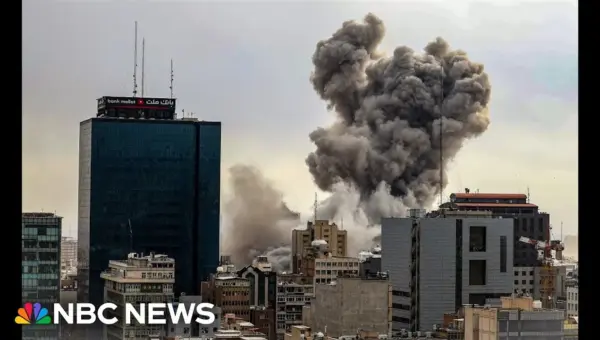
The U.S. and Israel have launched joint military strikes against Iran, killing Supreme Leader Ali Khamenei and igniting regional conflict. President Trump cited failed negotiations as the catalyst, while economic markets reacted with surging oil prices. The U.S. plans naval escorts for tankers and is arranging evacuations for citizens in the affected region.