Senator Presses Energy Dept on Oil Reserve Use Amid Global Tensions
Senator Ruben Gallego is questioning the Energy Department's strategy for releasing 172 million barrels from the Strategic Petroleum Reserve amid rising global tensions and fuel costs. The department defends its plan as a taxpayer-friendly exchange, while experts suggest current measures are only temporary fixes for market disruptions.

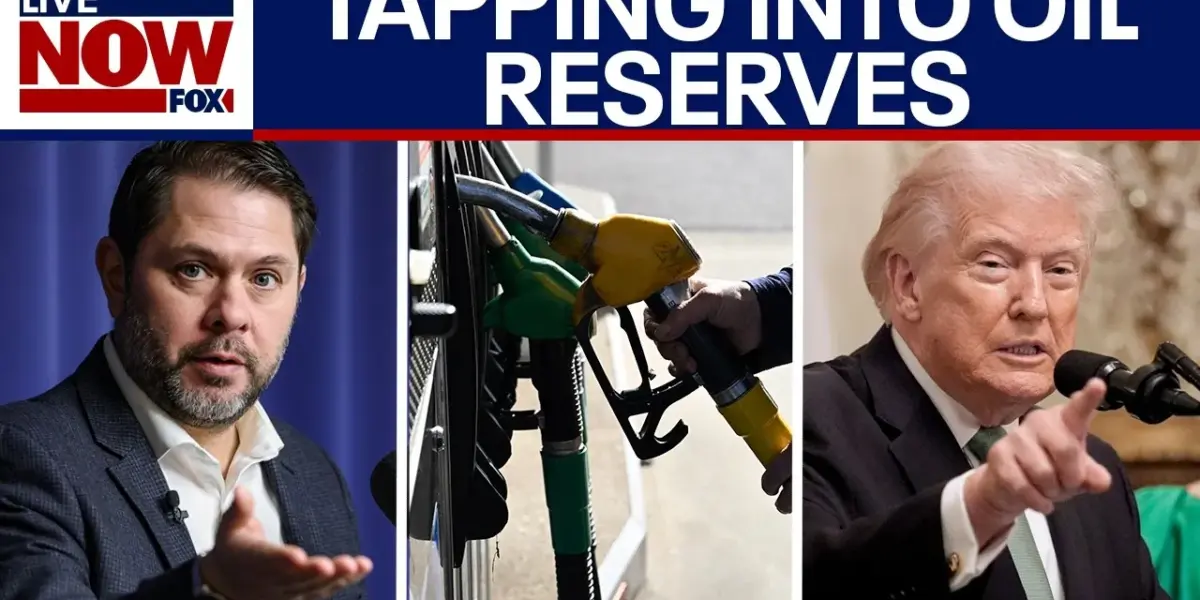
Senator Presses Energy Department on Strategic Oil Reserve Plans
Arizona Senator Ruben Gallego is demanding answers from the Energy Department regarding its plans to release oil from the U.S. Strategic Petroleum Reserve (SPR). The push comes as the world grapples with rising energy prices and ongoing global conflicts. Axios exclusively reported that the Energy Department intends to release 172 million barrels of crude oil from the reserves. Senator Gallego has written to Energy Secretary Jennifer Granholm, seeking details about the planning process, how the refined products might reach Arizona, and the potential impact on local gasoline prices.
Context: Global Conflict and Energy Prices
This situation unfolds against a backdrop of escalating international tensions. The report details recent attacks, including an Iranian missile barrage in central Israel that resulted in at least two deaths. Simultaneously, U.S. forces have targeted Iranian missile sites near the Strait of Hormuz, highlighting the volatile geopolitical climate. These events directly impact global energy markets, contributing to significant price increases. Average gasoline prices in the U.S. have reportedly risen 80 cents since the conflict began, putting pressure on consumers.
“The energy price impacts of this conflict are very quickly affecting and flowing not only into midterm election politics but also into presidential politics as well.”
Energy Department’s Response and Strategy
The Energy Department has responded to Senator Gallego’s inquiry, stating their goal is to protect taxpayers while increasing energy supplies. They emphasize that the current distribution is structured as an “exchange.” This means oil is loaned out from the SPR and returned in a larger volume, a method the department asserts is fiscally responsible and has been used before. The department also criticized what they termed the “green new scam” under former President Biden, linking current energy challenges to broader policy debates.
Broader Oil Reserve Releases and Market Impact
The U.S. release is part of a larger, coordinated effort. Other nations are also participating in phased releases totaling approximately 400 million barrels through the International Energy Agency (IEA). While these actions aim to stabilize and potentially lower energy prices, experts caution they are not a complete solution to the current disruption. The head of the IEA noted that oil prices have stabilized somewhat but remain at high levels. These releases are seen as important efforts that can help alleviate price increases but are described as “band-aids on a much bigger problem” as long as key shipping routes like the Strait of Hormuz remain threatened.
Logistics of SPR Distribution
The Strategic Petroleum Reserve is stored in facilities along the U.S. Gulf Coast, primarily in Texas and Louisiana. When oil is released, it is drawn from these locations and then flows to refineries. Oil companies that produce crude are responsible for providing it back to these sites. The White House is actively exploring various measures to address high fuel prices, including potential waivers for sanctions on Russian oil and easing regulations under the Jones Act. These actions signal a high level of concern within the administration about the current energy costs facing Americans.
Concerns Over Reserve Levels
A key question is whether utilizing the SPR now could leave the U.S. with a diminished buffer for future crises. Currently, the reserve holds around 414 million barrels. A significant drawdown occurred after the Russian invasion of Ukraine in 2022, when 180 million barrels were released. The current planned release of 172 million barrels will take months to complete. If the current global crisis persists, it could necessitate further releases. However, IEA member nations collectively hold about 1.2 billion barrels in government and commercial inventories, and the IEA has indicated readiness to release more if necessary. The SPR is intended for use during supply disruptions, and the current situation in the Middle East, which is impacting production and storage capacity for major oil producers, clearly constitutes such a disruption.
What to Watch Next
Moving forward, attention will be on the Energy Department’s detailed response to Senator Gallego’s questions and the actual impact of the SPR release on gasoline prices. The ongoing geopolitical situation in the Middle East remains a critical factor, as any further escalation could negate efforts to stabilize energy markets. The effectiveness of these coordinated international oil releases and other policy measures in mitigating consumer costs will be closely monitored as the conflict continues.
Source: Senator Gallego presses Energy Dept on oil reserve plans, report says (YouTube)

Related Articles

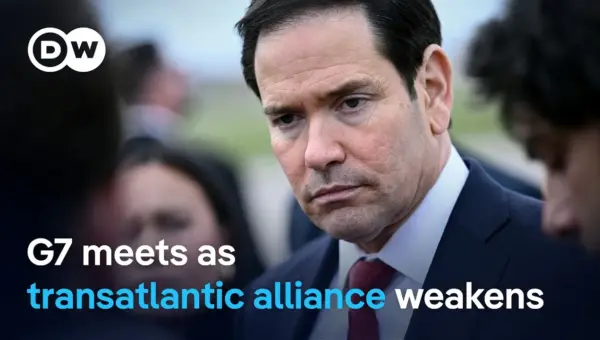
G7 Allies Clash Over Iran War Strategy, Urge Focus on Russia
G7 foreign ministers met in Paris, revealing deep divisions over the U.S. war with Iran. European allies urged the U.S. to pressure Russia, linking its actions to the conflict and fearing support for Ukraine will wane.

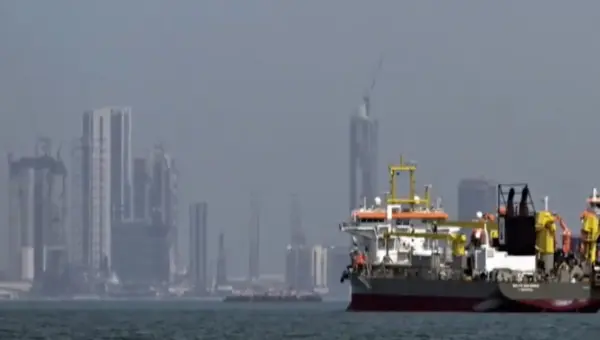
Iran Blocks China Ships, Exposing Beijing’s Weak Grip
Iran's recent decision to block Chinese ships at the Strait of Hormuz is exposing the limits of Beijing's influence in the Middle East. This action is causing delays and cancellations for Chinese manufacturers, turning a perceived geopolitical win into an economic strain.
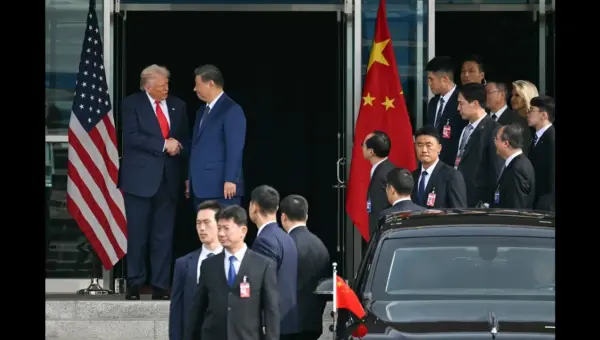
Trump’s “Walk Away” Tactic Signals Tougher Stance on China
Retired Air Force Brigadier General David Stillwell believes President Trump's strategy of being willing to walk away from negotiations puts pressure on China. This tactic, combined with US global actions and strengthened alliances, signals a more assertive American foreign policy.