Senator Peters Questions US Strategy in Strait of Hormuz
Senator Gary Peters of Michigan is questioning the U.S. strategy in the Strait of Hormuz, citing a lack of visible action and concerns over preparedness for potential threats. He also addressed the critical issues of rising anti-Semitism and Islamophobia.

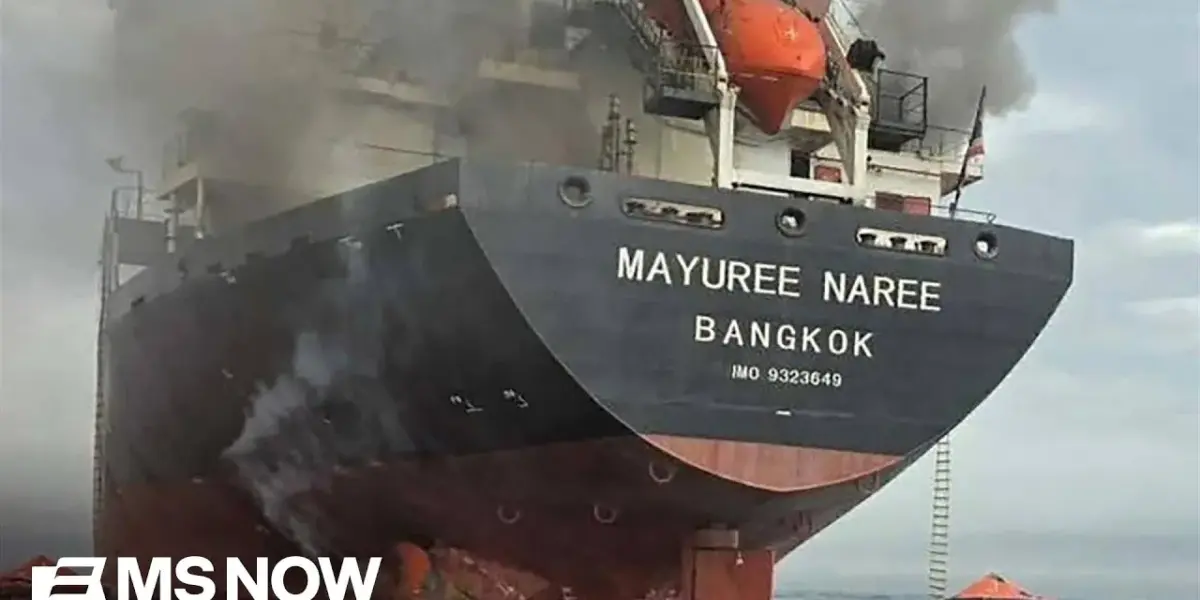
Senator Gar Peters Expresses Concerns Over US Response to Strait of Hormuz Threats
In a recent interview, Democratic Senator Gary Peters of Michigan, the ranking member of the Homeland Security Committee, voiced significant concerns regarding the United States’ strategic approach to the escalating threats in the Strait of Hormuz. Responding to questions about why the U.S. is not yet actively escorting ships through the vital waterway, Defense Secretary Pete Hegseth stated that the administration is planning and executing its strategy sequentially to send the right signals globally and to control objectives. However, Senator Peters expressed skepticism about the timing and clarity of these plans.
Concerns Over Preparedness and Execution
Senator Peters indicated that he had not yet seen concrete actions to reopen the straits. He revealed that when he inquired about the situation earlier in the week, he was informed that plans were still being developed. “Which was surprising to me, given that you should have those kinds of plans at the beginning of a war, not as you go along,” Peters stated. While acknowledging that military planning involves refining initial broad strategies as conflict unfolds, he expressed that there did not appear to be a finalized consensus on the operational plan for the Strait of Hormuz.
“I haven’t seen it yet. Certainly, we haven’t seen any actions that are really concentrated in a way to attempt to open up those straits.”
The Senator emphasized the U.S. Navy’s capability to ensure the straits remain open and escort vessels, but highlighted the considerable naval assets required for such an operation. He also pointed out the inherent risks due to the strait’s constrained nature, featuring narrow shipping lanes with minimal maneuverability. This limited space poses a significant challenge, especially when dealing with threats like drone swarms, which have been effectively used by Russia in Ukraine.
Economic Repercussions of Strait Disruptions
Peters underscored the compounding economic consequences of any delay or disruption in the Strait of Hormuz. “Every day that goes by, you have more tankers that line up. You have gas prices up. You have fertilizer not getting to farmers, compounds,” he explained. He warned that if oil fields in Gulf states are affected, restarting production is not instantaneous, likening it to a water spigot rather than a quick on-off switch. The economic cost, he stressed, increases dramatically, potentially exponentially, with each day of delay. He noted that it had already been two weeks since the conflict began, a period during which significant global events have unfolded.
Iran’s Nuclear Capabilities and Diplomatic Options
The conversation also touched upon Iran’s nuclear program and the U.S. strategy to halt its capabilities. Defense Secretary Hegseth indicated that the U.S. has a range of options, short of physically taking control of nuclear material within Iran. He expressed hope that Iran might voluntarily relinquish its nuclear ambitions, a path not taken during previous negotiations. Hegseth remained guarded about the specifics of U.S. actions, stating, “I would not tell this group or the world what we’re willing to do or how far we’re willing to go, but we have options for sure.”
Senator Peters responded to this by acknowledging the complexity of the situation. He affirmed that a diplomatic solution is always the preferred option, but recognized that military actions might become necessary if diplomacy fails. He raised questions about the effectiveness of air attacks alone in permanently disabling Iran’s ability to build nuclear weapons, suggesting that ground operations might be required, though he noted this had not been publicly stated by the administration. Peters reiterated the critical importance of preventing Iran from acquiring nuclear weapons but cautioned that some potential options could be more problematic for the U.S. and the international community.
“The question is, oh, it’s always difficult to try to really confirm whether or not you’ve actually destroyed the ability for the Iranians to build nuclear weapons simply with air attacks. It may require ground operations.”
Addressing Rising Anti-Semitism and Islamophobia
The interview also addressed the recent attack on a synagogue in Michigan, which the FBI is investigating as a targeted act of violence against Jewish people. Senator Peters condemned the rise in anti-Semitism, calling it “hate, pure and simple, and it’s unacceptable.” He specifically lamented the attack on a place of worship and a day school, highlighting the bravery of security guards whose quick actions prevented further tragedy. “If it wasn’t for them, I think we would be talking about unfortunately children that were killed, which would have been already a horrific situation becoming even more horrific,” he said.
Furthermore, Peters spoke out against the rise of Islamophobia, citing remarks made by Senator Tommy Tuberville of Alabama. Tuberville had posted an image linking the Mayor of New York City, Eric Adams, to 9/11 imagery and used inflammatory language against Muslims. Peters denounced such rhetoric as dangerous and unacceptable, emphasizing that Michigan is home to a large and integral Arab Muslim-American community. “We have to stop this rhetoric. This is hateful rhetoric. If we have hateful rhetoric, often that leads to violent actions,” Peters warned, calling for accountability for such statements.
Looking Ahead
As tensions persist in the Strait of Hormuz and concerns over Iran’s nuclear program continue, the effectiveness and clarity of U.S. strategy will be under scrutiny. The administration’s next steps in ensuring freedom of navigation in the vital waterway and its diplomatic or military approach to Iran’s nuclear ambitions remain critical issues to watch. Additionally, the ongoing challenge of combating hate speech and preventing religiously motivated violence both domestically and internationally will require continued attention and decisive action from policymakers.
Source: Still 'significant threats' in Strait of Hormuz: Dem Sen. (YouTube)

Related Articles

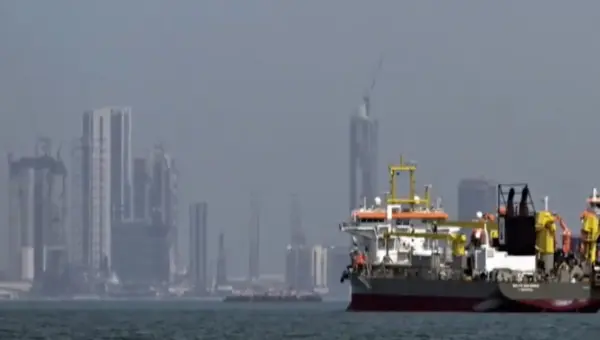
Iran Blocks China Ships, Exposing Beijing’s Weak Grip
Iran's recent decision to block Chinese ships at the Strait of Hormuz is exposing the limits of Beijing's influence in the Middle East. This action is causing delays and cancellations for Chinese manufacturers, turning a perceived geopolitical win into an economic strain.
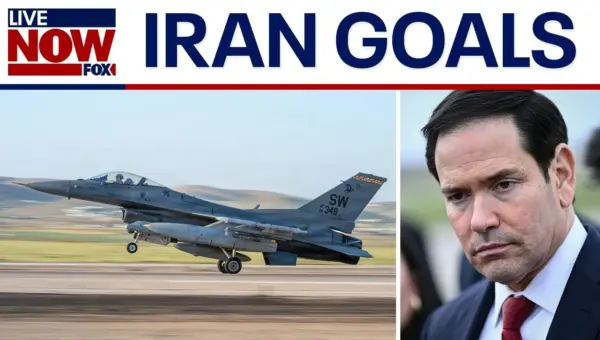
Rubio: US Can Achieve Iran War Goals Without Troops
Senator Marco Rubio outlined a strategy to counter Iran without deploying U.S. ground troops, focusing on weakening the regime and enhancing maritime security. He also criticized Cuba's economic system and expressed concerns about West Bank violence.

Gulf States Demand Seat at Table on Iran’s Nuclear Future
Gulf states are demanding a seat at the table for any U.S.-Iran talks regarding Iran's nuclear future. This move reflects a growing assertiveness and a desire to shape regional security directly. It signals a potential shift towards more inclusive diplomatic efforts in the Middle East.