Senator Mark Kelly Questions Iran Strategy Post-Khamenei Strike
Senator Mark Kelly expressed concern over the lack of a clear strategy following the operation that killed Iran's Supreme Leader. While calling Khamenei's death a positive development, Kelly stressed that 'hope is not a strategy' and questioned the administration's objectives and risk assessments for American service members.

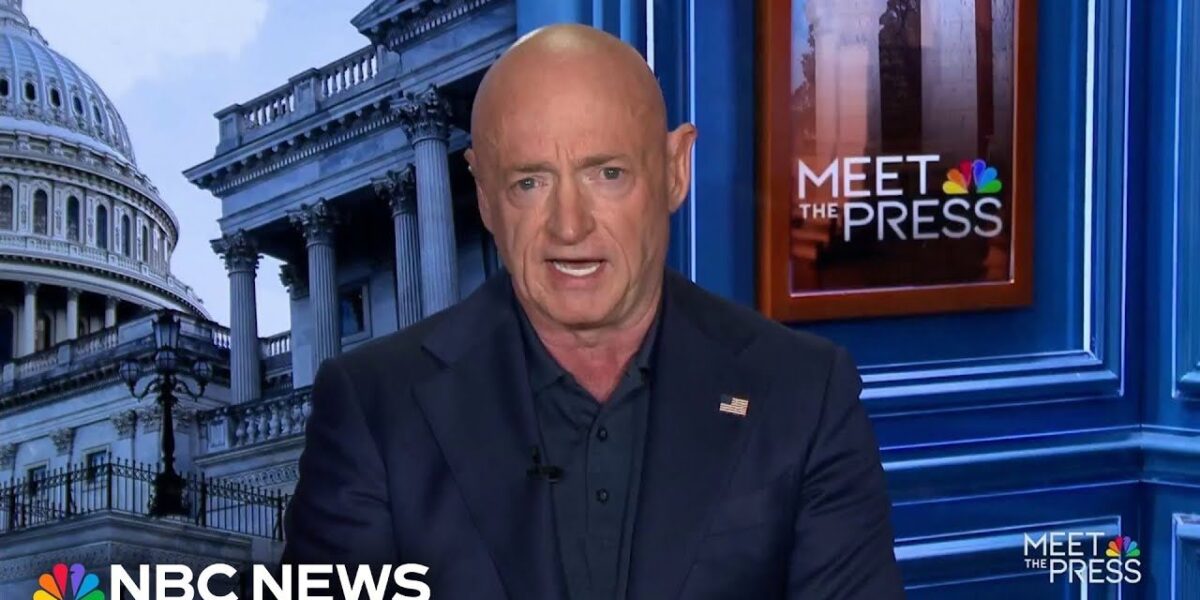
Senator Kelly Critical of Iran Strategy Post-Supreme Leader’s Death
Washington D.C. – In the wake of the operation that led to the death of Iran’s Supreme Leader, Ayatollah Ali Khamenei, U.S. Senator Mark Kelly of Arizona has voiced both agreement with the removal of a significant threat and sharp criticism regarding the lack of a clear strategic plan from the Biden administration. Speaking on NBC’s ‘Meet the Press,’ Senator Kelly, a former combat pilot, emphasized that while Khamenei’s demise is a positive development, the absence of a defined strategy poses risks to American service members and regional stability.
Assessing the Impact of Khamenei’s Death
Senator Kelly acknowledged the sentiment expressed by some, including Senator Lindsey Graham, that the world is now safer. “It’s a good thing that the Supreme Leader is gone and some of the folks around him,” Kelly stated, also commending the “skill and focus” of the U.S. military personnel involved in the operation. However, he quickly pivoted to concerns about the administration’s approach, asserting, “Hope is not a strategy. We’ve got to have a plan here.” He stressed the importance of understanding the strategic goals and the methods to achieve them, highlighting his responsibility in the Senate to ensure the administration does not increase risks for Americans, particularly U.S. service members.
“It’s a good thing that the Supreme Leader is gone… but what I also heard from Lindsey, and we saw in the President’s tweet earlier today, is they’re talking about hope. … Hope is not a strategy. We’ve got to have a plan here.”
Questions Surrounding Military Objectives
When asked about his support for the military operation, Senator Kelly reiterated his demand for a strategy. He questioned the specific objectives, inquiring whether the operation was aimed at Iran’s nuclear capabilities, which he noted were not “obliterated” last summer, or its ballistic missile program. He pointed out that while Iran is pursuing intercontinental ballistic missile capabilities, it is a long-term endeavor, raising questions about the “imminent threat” that prompted the action. Kelly expressed concern about the potential for a wider conflict in the Middle East, drawing a parallel to the post-Saddam Hussein era in Iraq, where the removal of a leader led to over a decade of instability and significant American casualties.
The Challenge of Boots on the Ground
Addressing the possibility of conducting military operations without U.S. troops on the ground, as suggested by President Trump and President Biden, Senator Kelly found the notion “incredibly challenging.” Drawing from his own experience flying 39 combat missions, he noted that while air power can destroy targets, “fully taking out a capability is really challenging without putting people there on the ground.” This raises concerns about the sustainability and effectiveness of the current military posture.
Prolonged Conflict Concerns and Strategic Ambiguity
Senator Kelly expressed strong reservations about the potential for the conflict to become prolonged. He cited conflicting statements from administration officials, with Vice President J.D. Vance suggesting there is “no chance the U.S. will be drawn into a prolonged war,” while other indications point to a potentially drawn-out engagement. “Which one is it? And what is your plan going forward?” Kelly demanded, emphasizing the need for clear communication and a coherent strategy from the White House. He also highlighted the critical scenario of Iran potentially shutting down the Strait of Hormuz, which would put service members at risk and inflict significant economic damage globally. Kelly’s assessment is that the administration “did not go into this with any kind of strategic plan. It was an operation with no — no discussion about what comes next.”
Congressional Authorization and Iran’s Nuclear Ambitions
The interview also touched upon the views of Democratic Senator Jackie Rosen, who stated that Iran “can never be allowed to obtain a nuclear weapon” and that its “terrorist proxies are some of the leading national security threats.” While agreeing that Iran’s military and nuclear programs pose a threat, Senator Kelly criticized the Trump administration’s withdrawal from the Iran deal, arguing it pushed Iran further along its enrichment path. He reiterated that Iran was not an “imminent threat to the homeland” prior to the recent operation, despite its extensive network of proxies like the Houthis, Hamas, and Hezbollah, which pose a threat to U.S. citizens.
“We can’t allow Iran to get a nuclear weapon, but you’ve got to remember, this President tore up the Iran deal in his first administration, and they were not close what we call break-out capability with the enrichment of uranium. They weren’t that close to getting a weapon. After that was torn up they went further.”
War Powers Vote and Confidence in Leadership
When questioned about a potential War Powers vote, Senator Kelly stated he would “have to take a close look at it” and “hear from the White House what their strategy is going forward.” He expressed skepticism about voting in favor without a clear plan, especially given the lack of prior consultation. He also questioned why the administration did not make a case to the American people during the State of the Union address regarding the planned attack on Iran.
Finally, Senator Kelly addressed his confidence in Secretary of Defense Pete Hegseth, whom he did not vote for. Kelly stated he believes Hegseth is “the least qualified Secretary of Defense we’ve ever had in our country’s history” and expressed concern about his leadership in the current context.
Looking Ahead: Strategy and Accountability
The coming weeks will be critical as policymakers and the public await further clarity on the administration’s strategy in Iran. Senator Kelly’s remarks underscore a growing demand for transparency and a well-defined plan to navigate the complex geopolitical landscape following the removal of a key regional adversary. The focus will likely remain on whether the White House can articulate a coherent vision that balances the removal of threats with the avoidance of prolonged conflict and ensures the safety of American personnel and interests.
Source: Mark Kelly calls Khamenei’s death a ‘good thing’ but slams lack of 'plan' in Iran: Full interview (YouTube)

Related Articles
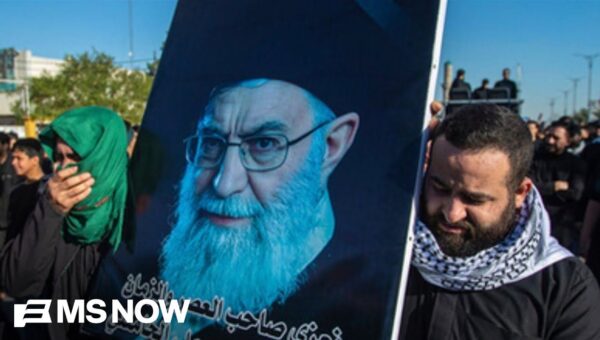
US Regime Change Efforts: A History of Tactical Wins, Strategic Losses
A comprehensive review of U.S. interventions reveals a consistent pattern: while the United States is adept at tactically removing foreign governments, achieving strategic success—the establishment of stable, legitimate political orders—has proven exceedingly difficult. Historical analysis points to unintended consequences and long-term instability as common outcomes.
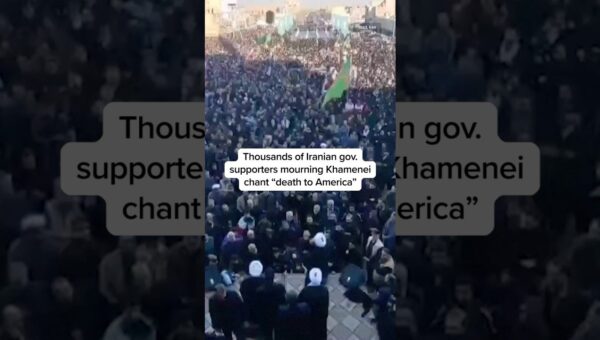
Thousands Mourn Khamenei, Chant ‘Death to America’ in Iran
Thousands gathered in Yazd, Iran, to mourn Supreme Leader Ayatollah Ali Khamenei following reported U.S. and Israeli strikes. The mourning ceremony was marked by chants of "Death to America," highlighting deep-seated anti-American sentiment amid geopolitical tensions.

Middle East Crisis Triggers Global Chaos: Flights, Oil Prices Hit
A major global crisis has erupted following coordinated strikes on Iran, triggering a massive retaliatory response that has impacted multiple countries across the Middle East. The large-scale attacks have caused widespread aviation chaos and pose significant risks to global energy markets and financial stability.