Senator Kelly Slams Iran Conflict as ‘Bad Deal’ for Taxpayers
Senator Mark Kelly criticizes the U.S. involvement in the Iran conflict, calling it a "bad deal" for taxpayers due to a lack of clear goals and rising gas prices. He questions the risks of naval operations in the Strait of Hormuz and proposes a federal gas tax holiday to ease consumer burdens, alongside tax reform aimed at middle-class relief.

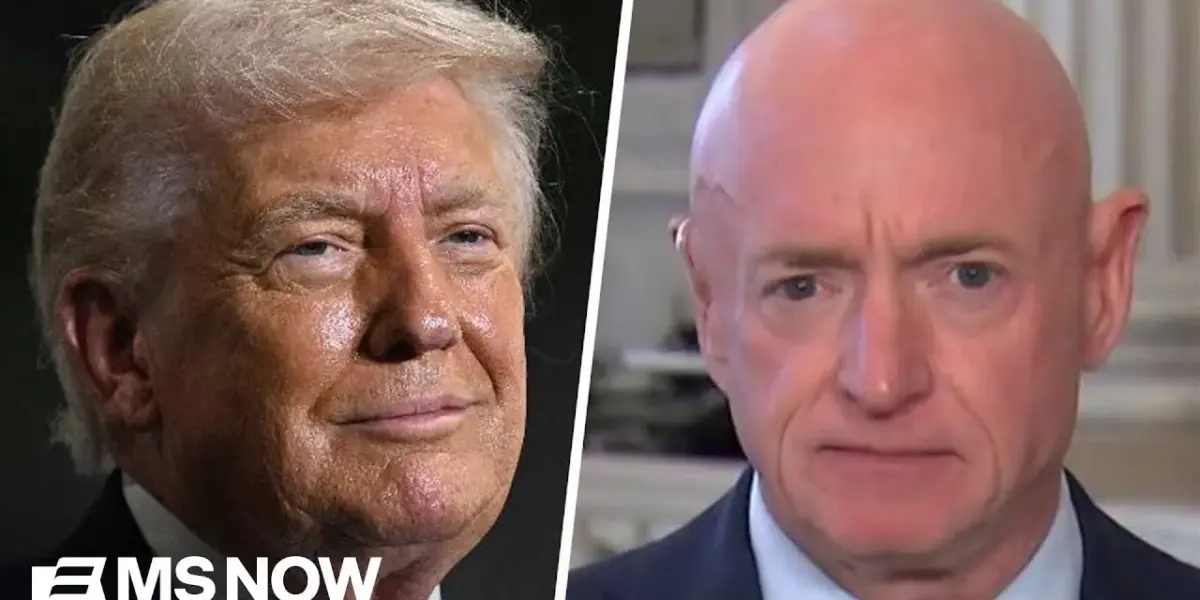
Senator Slams Iran Conflict as ‘Bad Deal’ for Taxpayers
Arizona Senator Mark Kelly, a combat veteran and member of the Senate Armed Services and Intelligence Committees, has sharply criticized the United States’ involvement in the conflict with Iran, arguing that American taxpayers are receiving a “really bad deal.” Speaking on a recent broadcast, Kelly expressed strong disapproval of the administration’s approach, citing a lack of clear goals, plans, and transparency with the American public.
No Clear Objectives or Plan for Iran Conflict
Senator Kelly directly refuted President’s assertions of victory, labeling them as “ridiculous.” He highlighted the administration’s decision to enter the conflict without a defined objective, a strategic plan, or a timeline, leaving the American people uninformed about the benefits of U.S. engagement. “What are hard-working people getting out of this? They’re getting higher gas prices immediately, right now,” Kelly stated, pointing to the immediate economic impact on citizens.
The senator also addressed the administration’s suggestion that increased oil prices could benefit companies, a notion Kelly dismissed as detrimental to the average American. “The American taxpayer, hardworking people, are getting a really bad deal,” he asserted.
Naval Escorts Through Strait of Hormuz: Risky and Unprepared
The discussion turned to the proposed U.S. Navy escort of oil tankers through the Strait of Hormuz, a critical chokepoint for global oil transport. While Energy Secretary Chris Wright suggested this could happen “relatively soon,” Senator Kelly expressed skepticism, viewing the statement as speculative and potentially aimed at easing public concern and lowering oil prices. Kelly, who has personal experience in the region from his military service, described the mission as “incredibly risky.”
“Twenty percent of the world’s oil moves through the Straits of Hormuz… It’s a big challenge for the United States Navy to escort supertankers through a 20-mile passage, when part of that passage has been mined with sea mines. Incredibly risky.”
He elaborated on the dangers, noting that Iran retains the capability to attack U.S. forces, including ships, within the confined environment of the strait. “Those sailors aboard those ships would be at significant risk,” Kelly warned, adding that the decision-makers might not be adequately equipped to handle such a high-stakes operation, given the initial lack of planning for the conflict itself.
Economic Fallout and Comprehensive Energy Policy Needed
The senator underscored the global economic implications of the conflict, particularly regarding the Strait of Hormuz. While most of the oil transiting the strait is destined for Asia, Kelly emphasized its impact on worldwide crude oil and natural gas prices, leading to higher costs for American consumers at the pump and for general energy consumption. He criticized the administration’s broader energy policy, suggesting it has made domestic energy production more difficult and hindered the development of renewable sources like solar and wind power.
“We’re trying to fix that with this administration. They need a comprehensive energy policy, which is currently lacking at the White House,” Kelly stated.
Proposed Gas Tax Holiday and Budgetary Concerns
In response to rising gas prices, Senator Kelly proposed suspending the federal gas tax, which he noted amounts to 18.4 cents per gallon. He believes this measure would provide tangible relief to consumers and anticipates bipartisan support for the proposal, which he suggests should be in effect until October.
The conversation also addressed the significant financial burden of the conflict on the U.S. military. Reports indicate that the U.S. spent over $11 billion in the initial six days of the war alone, with the administration potentially seeking additional funding from Congress. Senator Kelly, who opposed entering the conflict, expressed concern over the lack of a strategic goal and a clear endgame.
“My myself and many others did not support getting our country into a war with Iran. It just did not make sense at this point. They were not an existential threat.”
He further critiqued the effectiveness of military actions, referring to the “Midnight Hammer” operation as a tactical success but not a strategic one. Kelly pointed out the immense cost of munitions used, with each missile costing millions of dollars, while Iran employs cheaper drones. “The math on this doesn’t work,” he concluded.
Tax Reform Proposals for Middle-Class Relief
Shifting focus to domestic economic policy, Senator Kelly discussed new legislation aimed at providing broad tax cuts for middle-class families. He pushed back against the notion that this is purely political maneuvering ahead of the midterm elections, framing it as a necessary correction to what he described as the previous administration’s “big, beautiful bill” that disproportionately benefited millionaires and billionaires.
Kelly highlighted that 94% of the tax savings from the prior legislation went to the wealthiest Americans, with minimal benefit for those at the lower end of the income spectrum, benefits which are set to expire. He articulated his vision for tax reform:
- Providing tax relief for middle-class families.
- Ensuring individuals earning up to $46,000 a year pay no tax.
- Offering tax breaks for single individuals earning up to $80,000 and families earning up to $161,000.
- Funding the cuts by increasing taxes slightly on the wealthiest Americans, rather than through deficit spending.
“It bring some sense of fairness to our tax system, which right now is just skewed in favor of the wealthiest Americans,” Senator Kelly concluded.
Looking Ahead
As the conflict with Iran continues to unfold, attention will remain on the administration’s strategic objectives and the economic repercussions for American citizens. Senator Kelly’s proposed gas tax suspension and broader tax reform initiatives will likely face significant debate in Congress. The effectiveness of any proposed solutions in alleviating financial pressures on American families, amid ongoing geopolitical instability, will be closely watched in the coming months.
Source: Sen. Kelly: American taxpayers 'are getting a really bad deal' in war with Iran (YouTube)

Related Articles


US Must Block China’s Tech Access for Security
US national security experts are raising alarms about China's access to advanced AI chips, arguing it threatens strategic advantages. This, coupled with charges against Chinese entities for fentanyl precursor sales and a ban on foreign routers, signals a growing effort to prioritize security over business ties.


Tiger Woods Arrested for DUI After Crash
Golf legend Tiger Woods was arrested for DUI in Florida following a dramatic rollover crash. Meanwhile, a government shutdown continues as House Republicans block a Senate deal, leading to airport chaos and TSA worker pay issues. The stock market also plummeted into correction territory amid fears of a prolonged Iran conflict.
Trump’s Iran War Plans Criticized Amid Border Funding Standoff
Lawmakers and analysts are criticizing the Trump administration's handling of the Iran conflict and its approach to border funding, arguing that a lack of clear planning and a focus on political battles are making the U.S. less safe. Concerns are particularly high regarding the FBI's priorities and the potential impact of these issues on national security.