Senator Kelly: Khamenei’s Death is Positive, But Lacks a US Strategy
Senator Mark Kelly welcomed the death of Iranian Supreme Leader Ali Khamenei, calling it a "good thing." However, he sharply criticized the current U.S. administration for lacking a coherent strategy to manage the significant geopolitical shift. Kelly emphasized that "hope is not a strategy" and called for clear objectives and actionable plans to ensure American security.

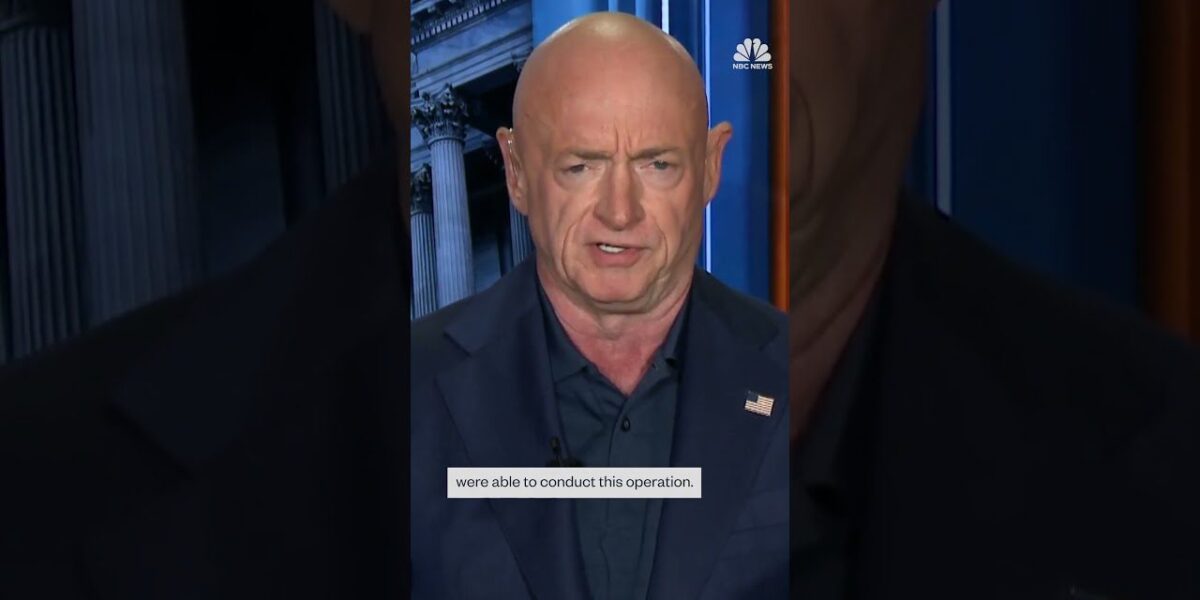
US Senator Mark Kelly acknowledged the positive development of Iranian Supreme Leader Ali Khamenei’s death but criticized the current administration’s apparent lack of a coherent strategy to manage the aftermath and potential implications for regional stability and American security.
Speaking in the wake of the news, Senator Mark Kelly echoed sentiments from colleagues, including Senator Lindsey Graham, that the world is indeed safer with Khamenei gone. “It’s a good thing that the supreme leader is gone and some of the folks around him,” Kelly stated, also commending the U.S. military personnel involved in the operation that led to Khamenei’s demise. He specifically lauded their “skill and focus on the mission and determination and patriotism.”
Hope Not a Strategy
However, Kelly expressed significant concern that the current U.S. approach, as evidenced by public statements from the President and other officials, relies too heavily on “hope” rather than a concrete strategic plan. He directly challenged the notion that hopeful thinking is sufficient, stating, “Hope is not a strategy. We’ve got to have a plan here.”
“What is the strategic goal and how do we achieve it?” Senator Kelly questioned, emphasizing the need for clarity and actionable objectives in U.S. foreign policy regarding Iran.
The Senator underscored his responsibility in the U.S. Senate to ensure that the administration develops and implements a robust plan. His primary concern is preventing the current situation from escalating and putting Americans, particularly U.S. service members, at further risk. This sentiment highlights a critical divide between acknowledging a positive outcome and ensuring that this outcome is leveraged effectively and safely on the global stage.
Broader Implications for Iran and the Region
Khamenei’s death marks the end of a significant era in Iran, having been the country’s Supreme Leader since 1989. His tenure was characterized by a hardline stance against the West, particularly the United States, and a complex relationship with regional powers. His passing opens a period of uncertainty within Iran, potentially leading to internal power struggles and shifts in the country’s domestic and foreign policy direction.
The lack of a clear U.S. strategy in this critical transition period could have far-reaching consequences. Without defined objectives, the United States risks reacting to events rather than shaping them. This could embolden Iranian factions seeking to maintain the status quo, or conversely, create vacuums that could be exploited by destabilizing actors in the region. The interconnectedness of Iranian politics with conflicts and alliances across the Middle East means that instability within Iran could quickly spill over into neighboring countries.
The Role of the U.S. Military
Kelly’s explicit praise for the U.S. military underscores the critical role that armed forces play in executing complex operations. While the successful execution of the mission is a point of pride and validation for military capabilities, it also places a greater onus on political leadership to provide clear strategic direction. The military’s effectiveness is maximized when it operates within a well-defined strategic framework that outlines political goals and desired outcomes.
The Senator’s remarks suggest a concern that the administration may be underestimating the complexities of post-Khamenei Iran. The transition of power within Iran is unlikely to be smooth or predictable. Different factions within the Iranian regime will likely vie for influence, and the ultimate direction of the country could depend on a variety of internal and external factors. A proactive and well-thought-out U.S. strategy is crucial to navigate these potential shifts and protect U.S. interests.
Looking Ahead: The Need for a Strategic Framework
The coming weeks and months will be crucial in observing how the Biden administration articulates and implements its strategy regarding Iran. Senator Kelly’s call for a clear plan serves as a reminder that diplomatic and political engagement must be as robust as any military action. The focus must shift from the accomplishment of a specific operation to the long-term management of U.S.-Iran relations and regional security. Key questions will revolve around whether the administration can define concrete goals for Iran’s future, outline pathways to achieve them, and ensure that American personnel and interests are safeguarded throughout this uncertain period. The world will be watching to see if “hope” gives way to a tangible, actionable strategy.
Source: Sen. Mark Kelly calls Khamenei's death a 'good thing' but slams lack of 'plan' in Iran (YouTube)

Related Articles
US Regime Change Efforts: A History of Tactical Wins, Strategic Losses
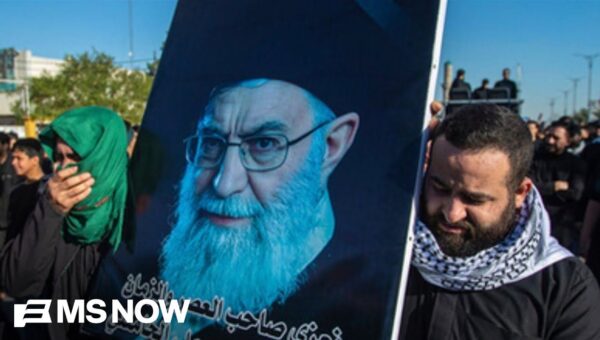
A comprehensive review of U.S. interventions reveals a consistent pattern: while the United States is adept at tactically removing foreign governments, achieving strategic success—the establishment of stable, legitimate political orders—has proven exceedingly difficult. Historical analysis points to unintended consequences and long-term instability as common outcomes.
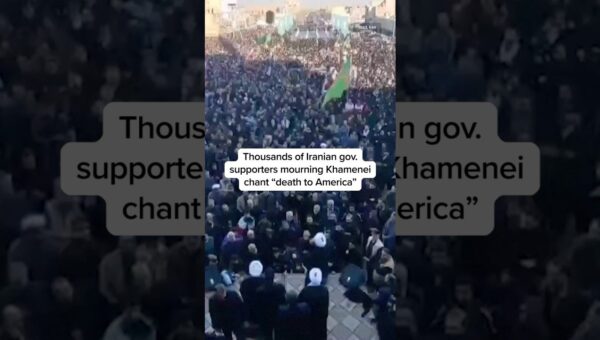
Thousands Mourn Khamenei, Chant ‘Death to America’ in Iran
Thousands gathered in Yazd, Iran, to mourn Supreme Leader Ayatollah Ali Khamenei following reported U.S. and Israeli strikes. The mourning ceremony was marked by chants of "Death to America," highlighting deep-seated anti-American sentiment amid geopolitical tensions.
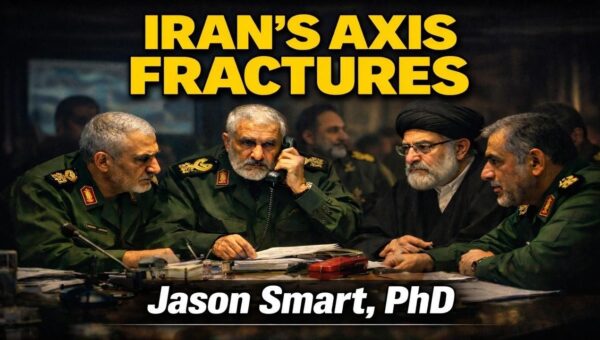
Iran’s Regime Under Siege: Attacks Cripple Leadership, Impact Russia
Iran's regime is reportedly facing critical blows from targeted attacks, crippling its leadership and severing a vital military supply line to Russia. This dual pressure is significantly impacting Russia's war efforts in Ukraine, while internal dissent grows within Iran.