Senator Coons Questions U.S. Strikes on Iran, Democracy at War
Senator Chris Coons has voiced strong objections to the U.S. strikes in Iran, criticizing the move as undemocratic and lacking clear justification. He expressed concerns about regional stability and the absence of broad allied support.

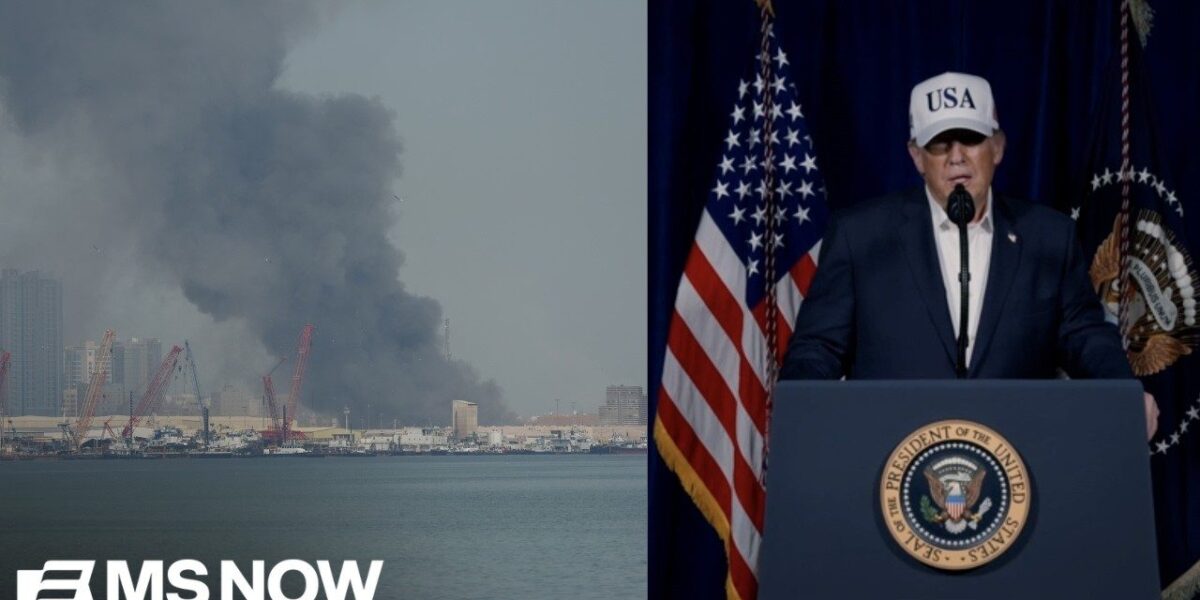
Senator Coons Voices Alarm Over Unilateral U.S. Strikes in Iran
In a significant departure from democratic norms, the United States, alongside Israel, launched strikes in Iran on Saturday morning. This action preempted a scheduled vote on a war powers resolution in the Senate, drawing sharp criticism from Democratic Senator Chris Coons. Speaking on Tuesday, Senator Coons expressed deep concern over the abrupt nature of the presidential declaration of war and the lack of clear justification regarding an imminent threat to the American people.
War Powers Resolution Undermined, Congressional Consultation Absent
Senator Coons highlighted that the purpose of the anticipated War Powers Act vote would have been to formally place the Senate on record regarding President Trump’s decision to launch a “broad-spectrum war against Iran.” He characterized Iran as a “terrorist regime” and a “pariah state” responsible for massacring its own civilians. However, Coons emphasized that this significant military action was initiated “without any real consultation with Congress or the American people.” He noted that a brief mention of Iran concerns in the State of the Union address, which could have been made by any president in the last decade, was insufficient justification, especially given a prior strike that purportedly eliminated Iran’s nuclear weapons capabilities.
“This is not how a democracy is supposed to go to war. With an abrupt declaration by our president in the middle of the night, with no justification that it is an imminent or preemptive strike, that there is a clear imminent threat to the American people.”
– Senator Chris Coons
Concerns for Service Members and Regional Stability
The senator conveyed his prayers for the U.S. service members now in harm’s way and for the civilians across the region who would inevitably be impacted by the strikes. He voiced grave concerns that the current actions could lead to the United States re-engaging in a “large and uncontrollable war in the Middle East, just five years after we ended the two longest wars in our history.”
President Trump’s Message to the Iranian People
The discussion also addressed President Trump’s message to the Iranian people, broadcast via Truth Social, in which he declared, “the hour of your freedom is at hand.” The President urged citizens to stay sheltered, stating, “Bombs will be dropping everywhere.” He positioned the strike as a unique opportunity for the Iranian people to overthrow their government, claiming no previous president was willing to take such action.
Skepticism Regarding Support for Iranian Uprising
Senator Coons expressed skepticism about the potential support the Iranian people could expect from the United States if they were to participate in regime change. While acknowledging the desirability of a government change in Iran, given the regime’s history of brutal repression and attacks against American interests (including the Marine barracks in Lebanon and Khobar Towers, and support for IEDs in Iraq), he tempered expectations about direct U.S. support for an uprising. He noted that while missile strikes against IRGC headquarters were possible, the regime’s internal repressive machinery would likely remain capable of quashing dissent. Coons described the opposition within Iran as “divided and successfully largely repressed,” suggesting that prospects for a successful uprising, despite the President’s hopeful call, would be “dim.”
Influence of Senator Rubio and Shifting Foreign Policy Priorities
The conversation touched upon the potential influence of Senator Marco Rubio on the administration’s Iran policy. While Coons acknowledged working with Rubio and respecting his inclination towards a “muscular foreign policy,” he expressed concern that this focus might be overshadowing critical global threats. Specifically, Coons lamented the absence of a clear condemnation of Russia as an aggressor in Ukraine and a failure to identify Putin’s Russia as a danger to European security. He also pointed to the need for a “clear-eyed focus on our major global threat, the People’s Republic of China.” Coons suggested that an overextended U.S. posture, perceived by adversaries like China, Russia, North Korea, and Iran, increases the risk of bold actions from them.
Missed Diplomatic Opportunities and Allied Discontent
Senator Coons contrasted the current military action with a potentially more effective diplomatic approach. He stated that “real progress” was being made in negotiations with Iran, citing recent comments from the Omani foreign minister. Coons believes the administration should have continued to “pressure the Iranian regime as hard as possible,” rallying allies to renew pressure and push for internal changes and concessions on Iran’s nuclear program, which he felt they were “on the verge of doing.”
Unusual Lack of Allied Support
A significant point of concern for Senator Coons was the apparent lack of broad international support for the U.S. strikes. He noted that in past significant military engagements, the U.S. typically had “dozens of allies in the fight.” While acknowledging that many allies view Iran as an aggressor, their responses to the recent strikes have been largely “neutral or cautious.” European nations have expressed hope for de-escalation and a return to negotiations, while Canada has issued a statement of support. However, the U.S. launched this operation “with only one ally alongside us,” a departure from historical precedent that often involved congressional or UN authorization.
Looking Ahead: The Risk of Escalation
As the United States embarks on this new military venture in Iran, Senator Coons’ remarks underscore a profound concern about the potential for escalation and the erosion of democratic processes in wartime decision-making. The absence of broad international consensus and congressional consultation raises critical questions about the long-term strategy and the potential consequences for regional stability and U.S. foreign policy. The coming weeks will be crucial in determining whether this action leads to de-escalation or further entangles the U.S. in another protracted conflict.
Source: ‘This is not how a democracy goes to war’: Dem Senator raises concerns after U.S. strikes in Iran (YouTube)

Related Articles
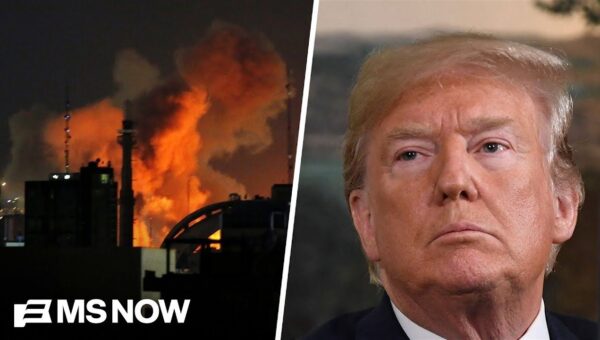
Congressman Swalwell Slams Trump’s Iran Strikes, Cites ‘No Plan’
Congressman Eric Swalwell has strongly condemned the recent U.S. military strikes in Iran, deeming them illegal and lacking a clear strategic plan. He joins Democrats in demanding a War Powers vote, asserting that the administration has failed to present evidence of provocation or a post-strike strategy. Swalwell criticizes the move as a distraction from domestic issues and a departure from campaign promises.
Dem Rep. Gomez: Trump Was Never Truthful About Peace
California Congressman Jimmy Gomez criticized the Trump administration's handling of intelligence regarding Iran, stating the President was "never truthful" about his intentions. Democrats plan to force a vote on a War Powers resolution, arguing the recent military actions lacked justification and congressional approval.

Trump’s Putin Stance: US Strategy and Global Implications
Analysis suggests Donald Trump's approach to the Ukraine war involves pressuring Kyiv, but US involvement is crucial for resolution. China's influence and the 'MAGA' agenda's geopolitical implications are key factors.