Senator Coons Questions Trump’s Iran Strategy After Troop Deaths
Senator Chris Coons has sharply criticized President Trump's strategy in Iran following the deaths of three U.S. service members. Coons questioned the intelligence regarding Iran's nuclear proximity and the lack of clear strategy and congressional debate for the "war of choice."

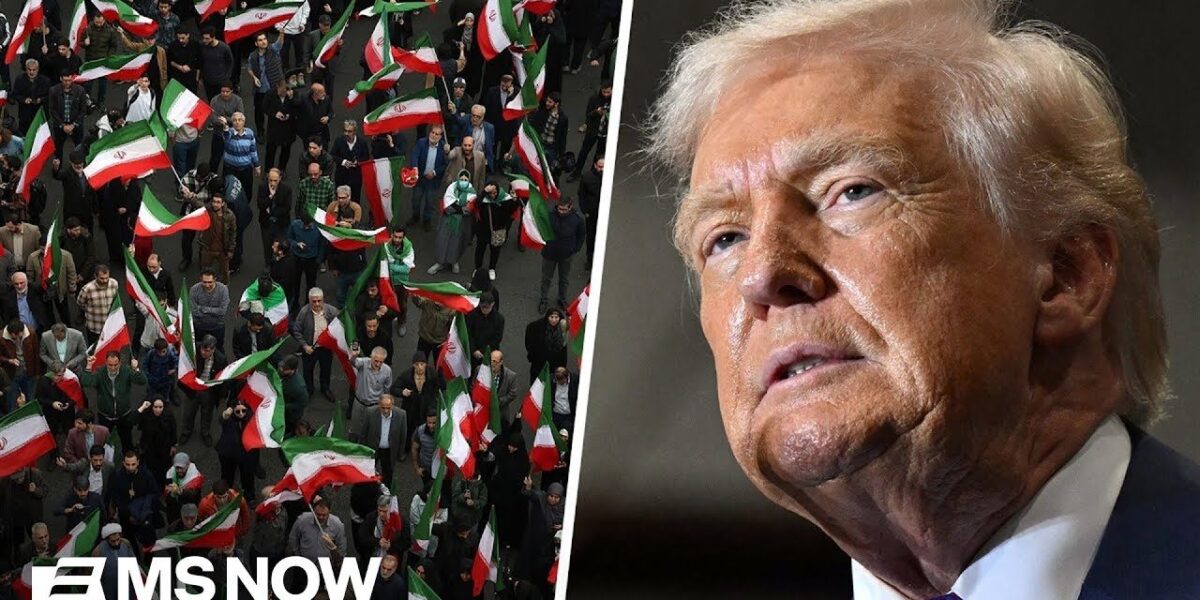
Senator Coons Criticizes Trump’s Iran Policy, Citing Lack of Strategy and Intelligence
Washington D.C. – As the nation grapples with the loss of three U.S. service members in a new Middle East conflict, Senator Chris Coons (D-DE) has voiced significant concerns regarding President Trump’s strategy and justifications for military action against Iran. Speaking on the heels of the fatal attack, Coons, a member of the Senate Foreign Relations Committee, directly challenged the administration’s rationale, particularly the claim that Iran was on the verge of developing a nuclear weapon and the lack of clear presidential communication and congressional deliberation.
Doubts Cast on Iran’s Nuclear Proximity
President Trump has asserted that Iran was merely two weeks away from acquiring a nuclear weapon, a claim Senator Coons finds unsubstantiated by intelligence. “I’ve never seen any intelligence to suggest that,” Coons stated. He elaborated that while Iran might have been close to obtaining enough fissile material for a weapon’s core, the ability to actually assemble and deliver such a device was, in his view, still a considerable distance away. This assessment is partly attributed to a past strike, reportedly led by the Trump administration in partnership with Israel, which Coons believes significantly degraded Iran’s nuclear enrichment and weapons program.
“Is it possible that they were two weeks from having enough fissile material to assemble the material for a weapon? Yes. But in the strike last year, led by President Trump and our military in partnership with the Israelis, he claimed that they obliterated Iran’s nuclear enrichment and weapons program. And what I’ve seen is evidence that their ability to actually assemble and deliver a nuclear weapon was still a long way away…”
Coons’s skepticism aligns with expert opinions, such as those of Joe Cirincione, who has also indicated that a fully functional nuclear weapon for Iran remains months, if not years, away, despite potential proximity to fissile material.
Questions Surround Trump’s Diplomatic Approach
Beyond the nuclear issue, Senator Coons questioned President Trump’s stated intention to negotiate with Iran’s new leadership following the death of its Supreme Leader. He drew a parallel to Trump’s approach in Venezuela, suggesting a focus on replacing a top leader and securing resource deals rather than fostering genuine democratic change. Coons recalled meeting with Venezuelan opposition leader Maria Machado, who, despite winning the Nobel Peace Prize, had hoped for a commitment to elections and democracy, a hope that he felt was ultimately unmet.
“What he seems to be pursuing in Iran is closer to what he pursued in Venezuela, which was simply replacing the top leader of the regime and then negotiating for an oil deal or a minerals deal with what’s left of a repressive authoritarian regime,” Coons observed. He expressed that the Iranian people, who have demonstrably taken to the streets seeking reform, likely aspire to more than just a leadership reshuffle.
Criticism of War Declaration and Lack of Transparency
A central point of contention for Senator Coons is the manner in which the current military operation was initiated. He characterized the action as a “reckless new war of choice” and criticized the administration for not presenting a clear strategy or seeking congressional approval. Citing the Constitution’s provision for Congress to decide on matters of war, Coons contrasted the current situation with the extensive debates and votes that preceded the 2003 invasion of Iraq.
“For months and months before the war was launched against Iraq, under the administration of George W. Bush, his secretary of defense, secretary of state, national security advisor went and briefed Congress. Congress debated. Congress voted on an authorization for the use of military force. We should be doing the same here,” Coons argued.
He suggested that President Trump’s claims about Iran’s nuclear proximity might be an attempt to retroactively justify an action taken without proper public or legislative discourse. Coons lamented the President’s limited engagement on the issue, noting that only three minutes of a two-hour State of the Union address were dedicated to Iran, leaving the nation and Congress uncertain about the administration’s ultimate goals.
Broader Regional Instability and Potential Escalation
Looking ahead, Senator Coons expressed grave concerns about the potential for the conflict to escalate. He acknowledged the Iranian regime as a brutal entity responsible for widespread violence and terrorism but warned that a cornered regime could resort to a range of aggressive tactics.
- Missile and drone attacks against civilian targets globally.
- Cyberattacks targeting critical infrastructure.
- Activation of sleeper cells within the United States.
Coons noted that Iran’s decision to attack civilian targets in the Middle East during the holy month of Ramadan, a time when the Muslim world might otherwise offer sympathy, was a strategic misstep that alienated potential allies.
“Given that this regime has its back to the wall, they’re going to use every tool they have,” Coons predicted. “Missiles and drones, yes. Attacks against civilian targets throughout the Gulf and the world, yes. But also cyberattacks and terrorist attacks.”
Accountability and Future Outlook
Ultimately, Senator Coons placed the responsibility for the current conflict squarely on President Trump, especially given his campaign promise to avoid new regime-change wars. If the situation deteriorates, Coons believes the President should be held accountable.
“At the end of the day, what matters here is that President Trump ran for president on lowering people’s costs, making America healthy again and no new wars of regime change. This is a war directed at regime change,” Coons concluded. “My hope is that it will not expand and become more dangerous and more deadly and cost the lives of more American service members, diplomats, civilians, and people throughout the region. But in the absence of any clear strategy, and with the absence of congressional support, President Trump is the one who’s responsible for launching this war.”
The coming days and weeks will likely see continued scrutiny of the administration’s actions, demands for greater transparency, and ongoing debates about the path forward in a volatile region.
Source: ‘Never seen any intelligence’ Iran was two weeks from a nuke, as Trump said: Sen. Coons (YouTube)

Related Articles

Trump Threatens “Unseen” Force on Iran After Leader’s Death
Following the assassination of Supreme Leader Ayatollah Ali Khamenei, U.S. President Donald Trump has vowed to unleash unprecedented force on Iran. While outlining ambitious goals including regime change, experts express skepticism about the effectiveness of airstrikes and the potential for popular uprising against a resilient Iranian government.

Nuclear Expert Debunks Trump’s Iran Bomb Timeline
Nuclear security expert Joe Cirincione refutes claims that Iran was two weeks from a nuclear bomb, stating the process would take months. He analyzes recent strikes on Iran's nuclear facilities, arguing military solutions are insufficient and diplomacy with inspectors is key.


Trump’s War Rhetoric: Casualties Are a Burden He’ll Bear
Donald Trump's acknowledgment of potential casualties in a conflict, described as illegal and unconstitutional, has drawn criticism for perceived detachment. The analysis explores the implications of such rhetoric and the leader's responsibility for initiating warfare.