Senate Stalemate: SAVE Act Faces Obstacles Amid Voter ID Debate
The SAVE Act, a proposed bill emphasizing voter identification, faces significant hurdles in the Senate amidst accusations of Democratic filibuster abuse. The RNC has outlined extensive election integrity initiatives, but the bill's progression remains stalled, highlighting deep partisan divides.

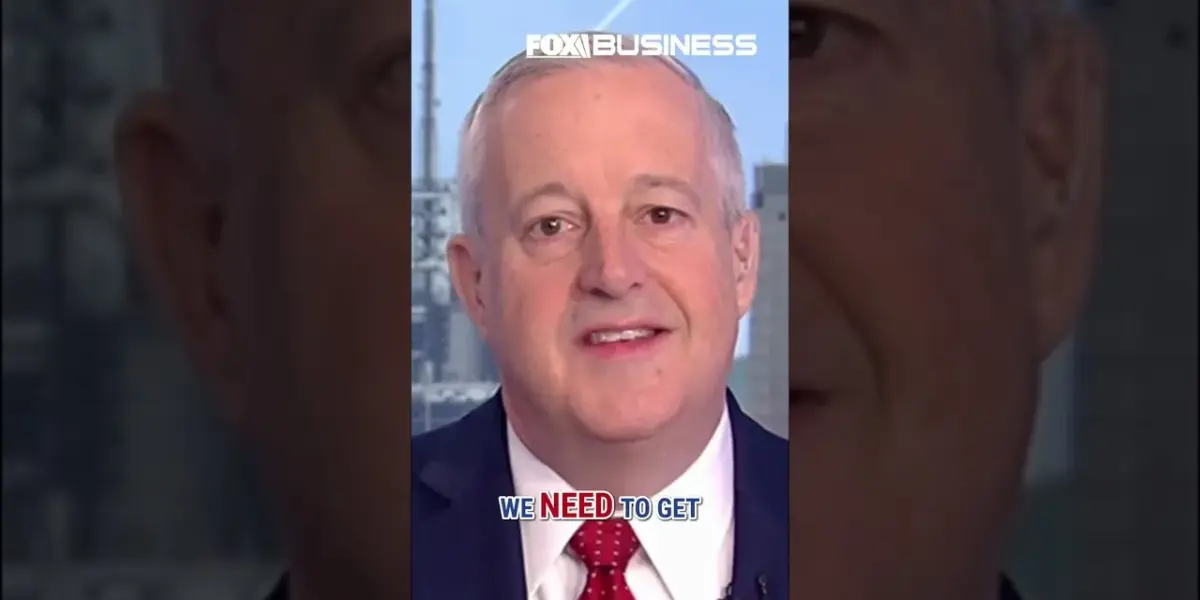
Election Integrity Debate Intensifies as SAVE Act Stalls
Washington D.C. – A contentious debate surrounding election integrity has brought the proposed SAVE Act to a standstill in the Senate, with proponents arguing for enhanced voter identification measures and critics raising concerns about accessibility and partisan obstruction. The push for the SAVE Act, which includes provisions for voter ID, has become a focal point in the ongoing battle over election laws, highlighting deep divisions between the major political parties.
RNC Champions Election Integrity Efforts
The Republican National Committee (RNC) has been at the forefront of advocating for stricter election measures, emphasizing the need for robust election integrity. Michael, speaking on behalf of the RNC, highlighted the committee’s significant investment in this area. “As the chairman, I built out the first ever national election integrity program,” he stated, underscoring a commitment to safeguarding the electoral process.
This initiative involved a nationwide tour led by prominent figures including Laura Trump, Pam Bondi, Cash Patel, and Matt Whitaker. The program successfully recruited an extensive network of 6,500 attorneys and 235,000 volunteers. These individuals were strategically deployed to precincts across the country to monitor every vote cast and counted. The RNC’s efforts extended to legal action, with the committee filing 175 lawsuits aimed at protecting ballots nationwide.
“We need to get this done. And the Democrats have been abusing uh have been abusing the filibuster uh this entire congressional cycle.”
Filibuster Abuse Allegations Surface
A key point of contention raised by supporters of the SAVE Act is the alleged abuse of the filibuster by Democrats. This procedural tool in the Senate allows a minority of senators to delay or block a vote on a bill. According to proponents, this obstructionist tactic is being used to prevent critical election reform legislation, like the SAVE Act, from advancing.
The RNC chairman pointed to the treatment of President Trump’s nominees as an example of this alleged pattern of obstruction. “Look at what has happened with President Trump’s uh nominees uh where not a single one of them has has gone across with unanimous consent,” he remarked, suggesting a broader trend of partisan deadlock preventing consensus.
The SAVE Act: Key Provisions and Opposition
While the specifics of the SAVE Act were not fully detailed in the provided transcript, the central tenet highlighted is the inclusion of voter identification requirements. Proponents argue that voter ID laws are essential to prevent voter fraud and ensure that only eligible citizens cast ballots. They believe such measures bolster public confidence in the electoral system.
Conversely, opponents of voter ID laws often cite concerns about disenfranchisement, particularly among minority groups, the elderly, and low-income individuals who may face greater barriers to obtaining the necessary identification. They argue that such laws are not only unnecessary due to the low incidence of voter fraud but also serve as a suppression tactic.
Broader Implications for Democratic Processes
The stalemate over the SAVE Act and the broader debate surrounding election integrity have significant implications for the future of democratic processes in the United States. The use of the filibuster as a tool for blocking legislation, regardless of party, raises questions about the Senate’s ability to function effectively and address pressing national issues.
The focus on election laws also reflects a deep-seated distrust in the electoral system among certain segments of the population. Rebuilding this trust, proponents argue, necessitates measures like voter ID, while opponents suggest that focusing on accessibility and voting rights is the path forward.
What’s Next for Election Reform?
The future of the SAVE Act remains uncertain as the debate over election integrity and the use of Senate procedures continues. Proponents are likely to continue their calls for action, emphasizing the need to overcome partisan obstruction. Meanwhile, opponents will likely maintain their arguments against voter ID laws, focusing on potential barriers to voting. The outcome of these discussions could shape election administration and voter access for years to come, underscoring the critical nature of these ongoing legislative battles.
Source: SAVE ACT TURMOIL: Why the Senate REFUSES to support voter ID #shorts (YouTube)

Related Articles

House Funds DHS Short-Term, Senate Stalemate Looms
The House has passed a short-term bill to fund the Department of Homeland Security, but the Senate is expected to reject it. This temporary measure highlights ongoing political divisions and the challenges in reaching long-term budget agreements in the U.S. Congress.

Voter ID: Common Sense or Suppression?
A growing debate surrounds voter ID laws, with proponents calling them a common-sense measure against fraud and opponents fearing voter suppression. Many countries and U.S. states already require ID to vote.

Election Battles Erupt: Citizens Fight Back Against Gerrymandering
Citizens are fighting back against what they see as unfair election practices and gerrymandering. In Missouri, a grassroots movement is using a citizen initiative process to challenge new district maps and ensure voters have the final say. This struggle for fair representation highlights a growing trend of civic engagement.