Senate Stalemate: How Filibuster Rules Block Critical DHS Funding
The Senate faces a deadlock over essential Department of Homeland Security funding, largely due to the filibuster rule requiring 60 votes for passage. This standoff highlights the tension between majority rule and the minority's power to block legislation, with potential impacts on government services and future legislative processes.


Senate Deadlocked Over DHS Funding Amidst Filibuster Debate
Negotiations in the Senate over funding for the Department of Homeland Security (DHS) have hit a major roadblock. Despite some recent optimism, Democrats have rejected the latest Republican offer, leading to a standstill. This deadlock highlights the deep divisions in Washington and the powerful role of Senate rules in shaping legislative outcomes.
Reconciliation: A Special Rule for Passing Bills
One key issue is the use of a special legislative tool called reconciliation. This rule allows certain bills related to taxes, spending, or the debt ceiling to pass the Senate with a simple majority, bypassing the need for 60 votes to end debate. Democrats have suggested funding most of DHS now and addressing other needs, like funding for Immigration and Customs Enforcement (ICE), through a future reconciliation bill.
However, some Republicans are hesitant. They worry about the feasibility of passing a large reconciliation bill later in the year. This concern stems from the complexity of such measures and the potential for them to fail.
The Filibuster: A Tool for the Minority
The Senate’s need for 60 votes to overcome a filibuster is central to this funding battle. The filibuster allows a minority of senators to block a vote on a bill. This rule, which is not in the original Constitution, was intended to give the minority party a voice and prevent them from being ignored.
Recently, two Democratic senators, Michael Bennet and Tina Smith, suggested the filibuster has “outlived its usefulness.” They argued it slows down important debates. However, both parties have used the filibuster to block legislation they oppose. Senate Minority Leader Mitch McConnell, for example, is wary of eliminating it, fearing it could hurt Republicans if political power shifts in the future.
Filibuster’s Power Eroding?
The power of the filibuster has been reduced over time. The Senate has changed its rules to allow simple majority votes for certain actions, such as approving presidential nominations for the Supreme Court and other federal judges. More recently, this has been extended to appointees for other government positions.
These changes suggest the filibuster’s influence may be waning. The expert believes it is likely on its “last leg,” with one party eventually deciding to abolish it entirely. The current system often turns Senate proceedings into a defensive strategy, focusing on stopping the majority rather than engaging in open debate and oratory.
Midterm Elections Loom Large
The upcoming midterm elections are also influencing these negotiations. Every member of Congress considers how their votes might affect their chances of reelection. With one-third of the Senate up for election every six years, senators are mindful of public opinion and whether voters will hold them accountable for their decisions.
The question for senators is whether voters will remember and focus on specific votes, like this DHS funding issue, six months from now. Given the fast-changing world, it’s often difficult to predict how constituents will react.
Attaching Bills for Political Gain
Legislators sometimes try to attach less popular or politically sensitive bills to must-pass legislation, like funding bills. This tactic, sometimes called “logrolling” or “pork-barrel” politics, aims to get a desired bill passed by linking it to something essential. If a government shutdown is looming, a party might try to attach other legislative priorities to a funding bill to force a compromise.
This strategy is often used when a bill, like the “Save America Act” mentioned, is unlikely to pass on its own. By attaching it to a bill that must be passed, lawmakers hope to “sneak through” their preferred legislation.
Why This Matters
The ongoing battle over DHS funding and the debate surrounding the filibuster have significant implications. Firstly, the failure to pass funding bills can lead to government shutdowns, disrupting essential services and creating uncertainty. Secondly, the filibuster’s role in blocking legislation raises questions about the efficiency and fairness of the Senate. If a minority can consistently block the will of the majority, it can lead to governmental paralysis on critical issues.
Trends and Future Outlook
The trend shows a continued erosion of the filibuster’s power in specific areas, yet its use in major legislation remains a significant hurdle. We may see further modifications or even abolition of the filibuster in the coming years, especially if legislative gridlock persists. The influence of midterm and presidential elections will continue to shape negotiation tactics, as senators prioritize reelection concerns.
Historical Context
The filibuster has a long and controversial history in the U.S. Senate. It originated from an obscure rule in the early 19th century and evolved into a tool used to block legislation, often along partisan or sectional lines. Its power has waxed and waned, with significant changes made in recent decades, particularly concerning nominations. The current debate echoes past struggles over majority rule versus minority rights in the Senate.
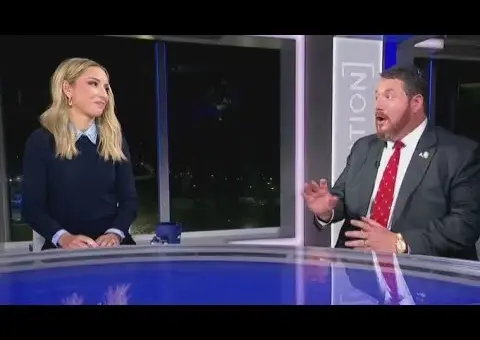
Source: What Options the Senate Has to Reach a Deal on DHS Funding: Expert Explains (YouTube)

Related Articles

House Republicans Reject Senate Deal, Sparking Government Funding Clash
House Republicans have rejected a Senate bill to end the government shutdown, citing insufficient border security measures. Congressman Randy Fine called the Senate deal a "disgrace" and highlighted the ongoing fight for full government funding. President Trump's executive order to pay TSA agents offers temporary relief, but the core disagreement over border security continues to paralyze Washington.


Voter ID: Common Sense or Suppression?
A growing debate surrounds voter ID laws, with proponents calling them a common-sense measure against fraud and opponents fearing voter suppression. Many countries and U.S. states already require ID to vote.


MAGA Voters Divided Over Potential Iran War
The potential for a US war with Iran has sparked debate at CPAC, revealing a divided MAGA base. While some support military action, many express concerns over prolonged conflicts and rising economic costs, particularly higher gas prices.