Senate Rejects Voter ID Bill: A Deep Dive into the Divide
The U.S. Senate recently voted down a proposed amendment requiring photo ID to vote, splitting strictly along party lines. Republicans argued for election security, while Democrats raised concerns about voter suppression. This failure highlights deep divisions on election laws.

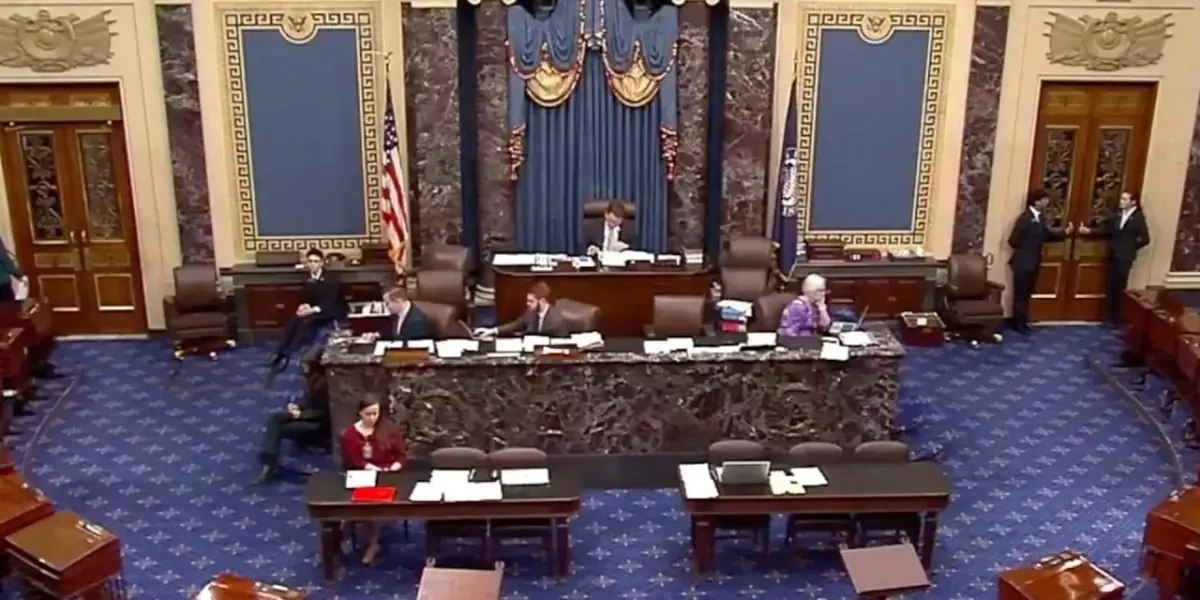
Senate Rejects Voter ID Bill Amidst Fierce Debate
The U.S. Senate recently voted down an amendment that would have required voters to show photo identification. This proposal came from Republican Senator John Hustid as part of the larger debate over the Save America Act. The amendment failed to pass, with the vote splitting strictly along party lines. Republicans, who hold a majority in the Senate, needed 60 votes to overcome a filibuster and move the amendment forward, but they only secured 47 votes.
Understanding the Save America Act
The proposed Save America Act itself faced similar hurdles. It would have mandated proof of U.S. citizenship for individuals wanting to register to vote. Like the amendment, the main bill also required 60 votes to pass, a threshold that proved too high to reach. This indicates a significant partisan disagreement on the core issues presented by the legislation.
Arguments For Stricter Voting Laws
Supporters of the voter ID requirement, primarily Republicans, argue that such measures are crucial for election security. They believe that requiring photo ID ensures that only eligible U.S. citizens cast ballots in elections. This stance is rooted in the idea of maintaining the integrity of the voting process and preventing any potential fraud. For them, it’s a common-sense step to protect the sanctity of American democracy.
Concerns Over Voter Suppression
On the other side, Democrats and other opponents raised serious concerns about the potential impact of these laws. They argue that requiring photo ID could create unnecessary barriers for many eligible voters. This could disproportionately affect certain groups, such as the elderly, students, or low-income individuals who may not have easy access to the required identification. The fear is that these measures could inadvertently suppress voter turnout, making it harder for people to exercise their right to vote.
Historical Context of Voter ID Laws
Voter identification laws have a long and often contentious history in the United States. While some states have had strict ID requirements for decades, the national conversation around them has intensified in recent years. Proponents often point to the need for modernizing election security, comparing it to requirements for other forms of identification, like boarding an airplane or picking up a prescription. Opponents, however, often view these laws as a modern form of voter suppression, harkening back to historical tactics used to disenfranchise certain populations. The debate often centers on balancing election integrity with ensuring broad access to the ballot box.
Why This Matters
The failure of this amendment highlights the deep divisions within the Senate regarding election laws. It underscores the ongoing struggle to find common ground on issues that touch upon fundamental democratic processes. The debate is not just about paperwork; it’s about who can vote, how easily they can vote, and who ultimately decides the rules of our elections. These decisions have real-world consequences for citizens and the future of representation in the country.
Implications and Future Outlook
The rejection of the voter ID amendment suggests that federal legislation mandating such requirements is unlikely in the near future, given the current political climate. However, the debate is far from over. Many states continue to implement or defend their own voter ID laws, leading to ongoing legal challenges and political battles at the state level. This means that the core issues of election security versus voter access will likely remain a prominent topic in American politics. We may see continued efforts to pass similar legislation, or a shift towards other election reform proposals, depending on future election outcomes and public opinion.
Conclusion
The Senate’s vote on the voter ID amendment is a clear indicator of the partisan chasm surrounding election integrity. While Republicans push for stricter measures to ensure only eligible citizens vote, Democrats worry about disenfranchising legitimate voters. This fundamental disagreement means that finding a national consensus on voting laws remains a significant challenge for the United States.
Source: Senate Fails to Pass Voter ID Amendment (YouTube)

Related Articles


Voter ID: Common Sense or Suppression?
A growing debate surrounds voter ID laws, with proponents calling them a common-sense measure against fraud and opponents fearing voter suppression. Many countries and U.S. states already require ID to vote.

Trump’s Mail-In Ballot Hypocrisy Fuels Voter Suppression Debate
Donald Trump's personal use of mail-in ballots contradicts his public stance against them, fueling concerns about voter suppression. Evidence suggests widespread voter fraud is rare, and efforts to restrict voting access disproportionately affect marginalized communities.


Trump Casts Mail Ballot in Florida Amid Criticism
President Trump recently cast a mail ballot in a Florida special election, despite his frequent public criticism of mail-in voting as a method prone to cheating. This marks a repeat of his actions in 2020. While Trump argues for limited absentee voting due to his presidential duties, election officials emphasize existing security measures that verify mail ballots.