Senate Rejects Iran War Powers Bill, Ceding Authority
The Senate has voted down a resolution that would have required President Trump to seek congressional approval for further military action against Iran. The failure of the bill highlights a continued deference to executive authority in foreign policy, with a House vote expected soon. The administration may also seek additional funding for ongoing operations.

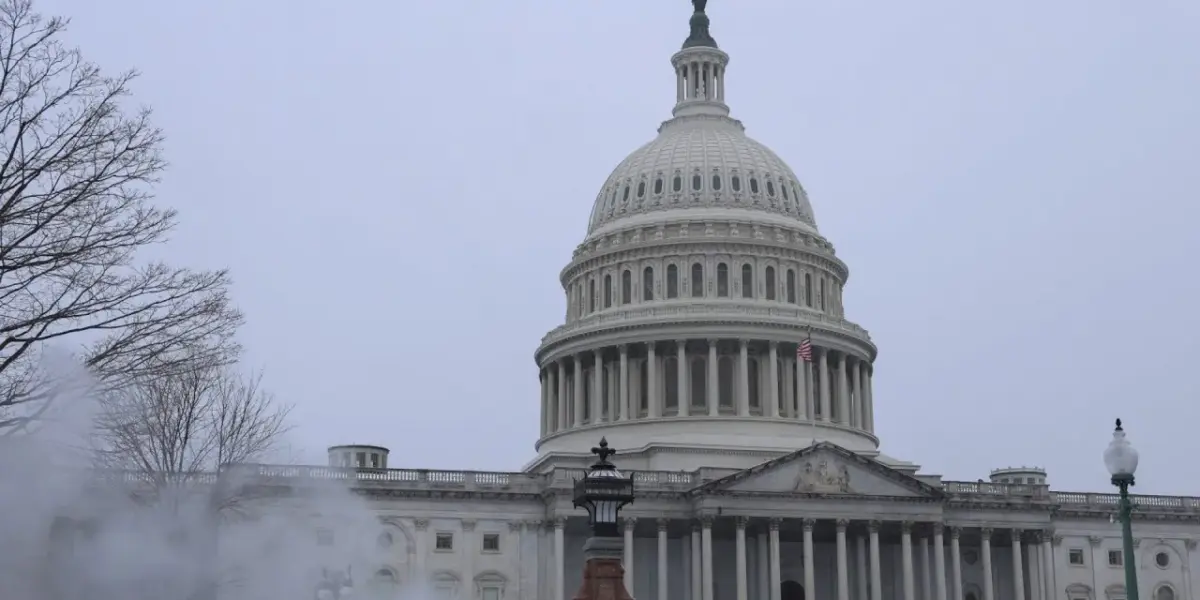
Senate Fails to Pass War Powers Resolution Limiting Presidential Authority on Iran
Washington D.C. – The United States Senate has narrowly rejected a War Powers Resolution that sought to limit President Trump’s ability to engage in further military action against Iran without explicit congressional approval. The vote, which concluded within the last hour, marks a significant moment in the ongoing debate over executive versus legislative authority in matters of foreign conflict, effectively allowing the President to retain broad discretion over military operations in the region.
The Vote and Its Implications
The resolution, aimed at restraining future military engagements in Iran, failed to gain sufficient traction among lawmakers. As reported by Julie Tsirkin on Capitol Hill, the vote was largely anticipated. The political landscape surrounding the bill was characterized by predictable alignments, with only one Democrat, Senator John Fetterman, voting with Republicans against the resolution, and a single Republican, Senator Rand Paul, breaking ranks to support it. This outcome underscores the deep partisan divisions and the challenges in forging bipartisan consensus on sensitive foreign policy issues.
Had the resolution passed and subsequently been approved by the House, and if a veto-proof majority had been secured, it would have imposed significant constraints on the President’s unilateral military actions concerning Iran. However, with its failure in the Senate, this legislative check on executive power has been set aside, at least for the time being.
House Vote Expected Amidst Administration Funding Request
The legislative battle is not entirely over, as a vote is anticipated in the House of Representatives tomorrow. Speaker Johnson expressed confidence this morning regarding his members’ ability to defeat the measure. Despite this, underlying concerns persist, particularly regarding the administration’s potential request for additional funding to support ongoing operations. This potential funding request adds another layer of complexity to the situation, suggesting that the administration intends to continue its military engagement.
The prospect of increased funding, especially in conjunction with the possibility of deploying troops on the ground – an option the administration has not ruled out – could significantly alter the political calculus. As Tsirkin noted, the longer these operations continue and the more resources are required, the more impatient some Republicans may become. This discomfort could be amplified as the midterm elections draw closer, presenting Democrats with a potent political narrative to leverage against their opponents.
Shifting Power Dynamics and Congressional Relevance
The current situation highlights a broader trend of Congress increasingly ceding power to the executive branch in matters of national security and foreign policy. The very reason Democrats are pushing for these votes, Tsirkin explained, is to push back against this perceived erosion of legislative authority. By failing to pass the War Powers Resolution, the Senate has, in effect, reinforced the President’s expansive powers in foreign military engagements.
While the majority of the Republican conference remains supportive of the administration’s actions concerning Iran, the long-term implications of sustained operations and potential escalations remain a point of discussion. The open-ended nature of the current military posture, and the administration’s responses to questions about its duration and objectives, are likely to become increasingly scrutinized as political and electoral considerations come into play.
Looking Ahead
The Senate’s rejection of the War Powers Resolution is a pivotal development, signaling a continued deference to executive authority in foreign military policy. As the House prepares for its vote and the administration potentially seeks further funding, the political landscape surrounding U.S.-Iran relations is poised for further evolution. The coming weeks and months will be critical in observing how Congress navigates these complex issues, whether legislative checks on executive power will re-emerge, and how these decisions will ultimately impact regional stability and domestic political discourse.
Source: Senate fails to pass measure limiting Trump's military action in Iran (YouTube)

Related Articles
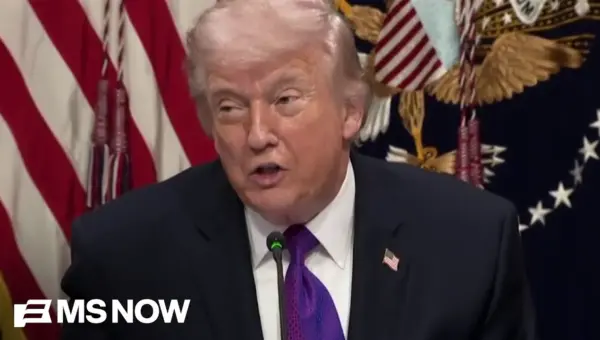
Trump Admin Scrambles for Iran War Justification
The Trump administration is facing scrutiny over shifting justifications for military action against Iran, with critics alleging a lack of clear strategy and reliance on "ad hocism." Reports indicate officials struggled to substantiate claims of imminent threats, leading to public skepticism and internal political divisions.


Military Might or Madman’s Musings: Decoding Hegseth’s Iran Rhetoric
Pete Hegseth's aggressive rhetoric on Iran drew sharp criticism, highlighting the disconnect between hawkish posturing and public sentiment. The analysis explores the implications of his 'GI Joe' style pronouncements in the current geopolitical climate.

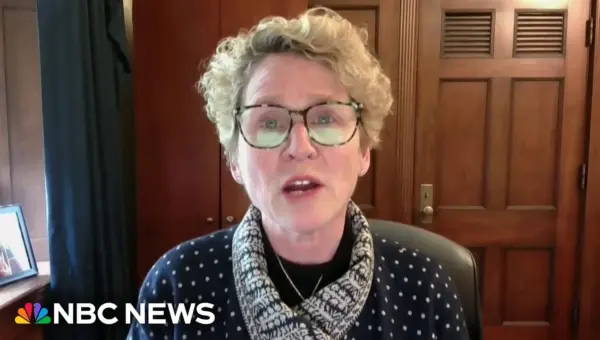
Democrat Questions World Safety Post-Iran Action
House Democrat Chrissy Houlahan stated there is "no evidence that the world is safer" following recent military actions in Iran. She emphasized that only Congress has the constitutional authority to declare war and criticized the lack of clear explanations and off-ramps from the administration regarding military operations. Houlahan also expressed disagreement with claims that the strikes have improved global security, warning of potential destabilization.